
Sand Yellow
Lighting & Paint Reference
Non-metallic solids appear consistent in color under different lighting, but perceived brightness changes significantly. The image above simulates how this color appears in different environments. HEX values are only digital approximations.
Model availability (1)
Code history (1)
Understanding Porsche paint codes
| Format | Example | Era | Notes |
|---|---|---|---|
| 4-digit number | 6082 | 1950s–60s | 1950s–60s original numbering system. No prefix required. |
| 3-digit alphanumeric | 80K | 1970s to present | Most common format. The L prefix on the sticker is interchangeable — you can enter it with or without the L. |
| L + 3 digits | L700 | 1970s to present | The L prefix is interchangeable — L700 and 700 return the same result. |
| M + 2 digits | M50 | 2010s to present | Modern metallic, pearl, and special-effect paint format. Note: O is not zero. |
| 2–3 digits + letter | 39Z | 1990s–2000s | Used in the 993 and 996 eras. The L prefix on the sticker is optional. |
| 3-digit new code | 2BS | 2020s to present | Latest-generation code, used for the 992 era and Taycan colors. |
Similar Colors ΔE is the color-difference value; the smaller, the more similar.
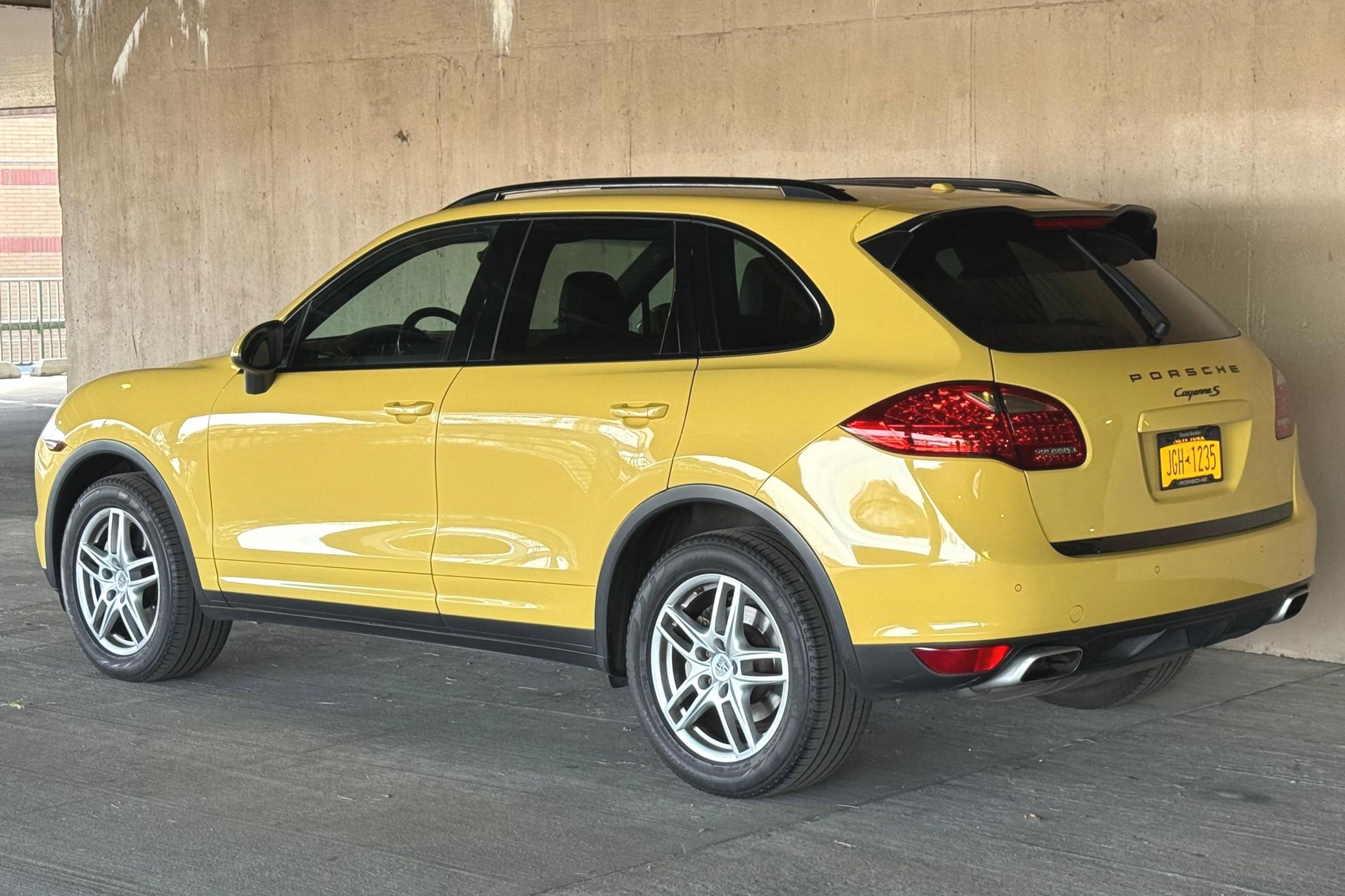
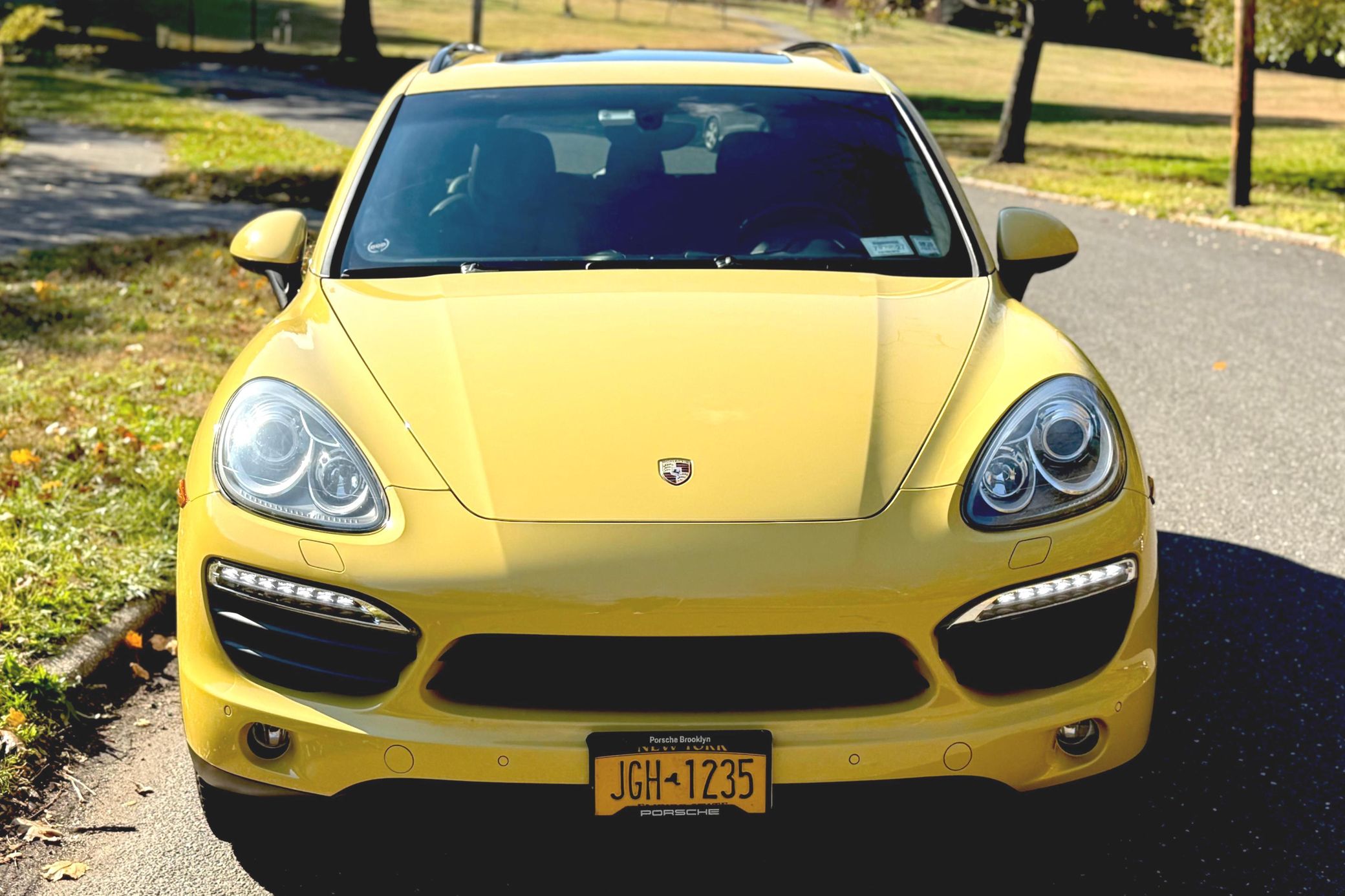
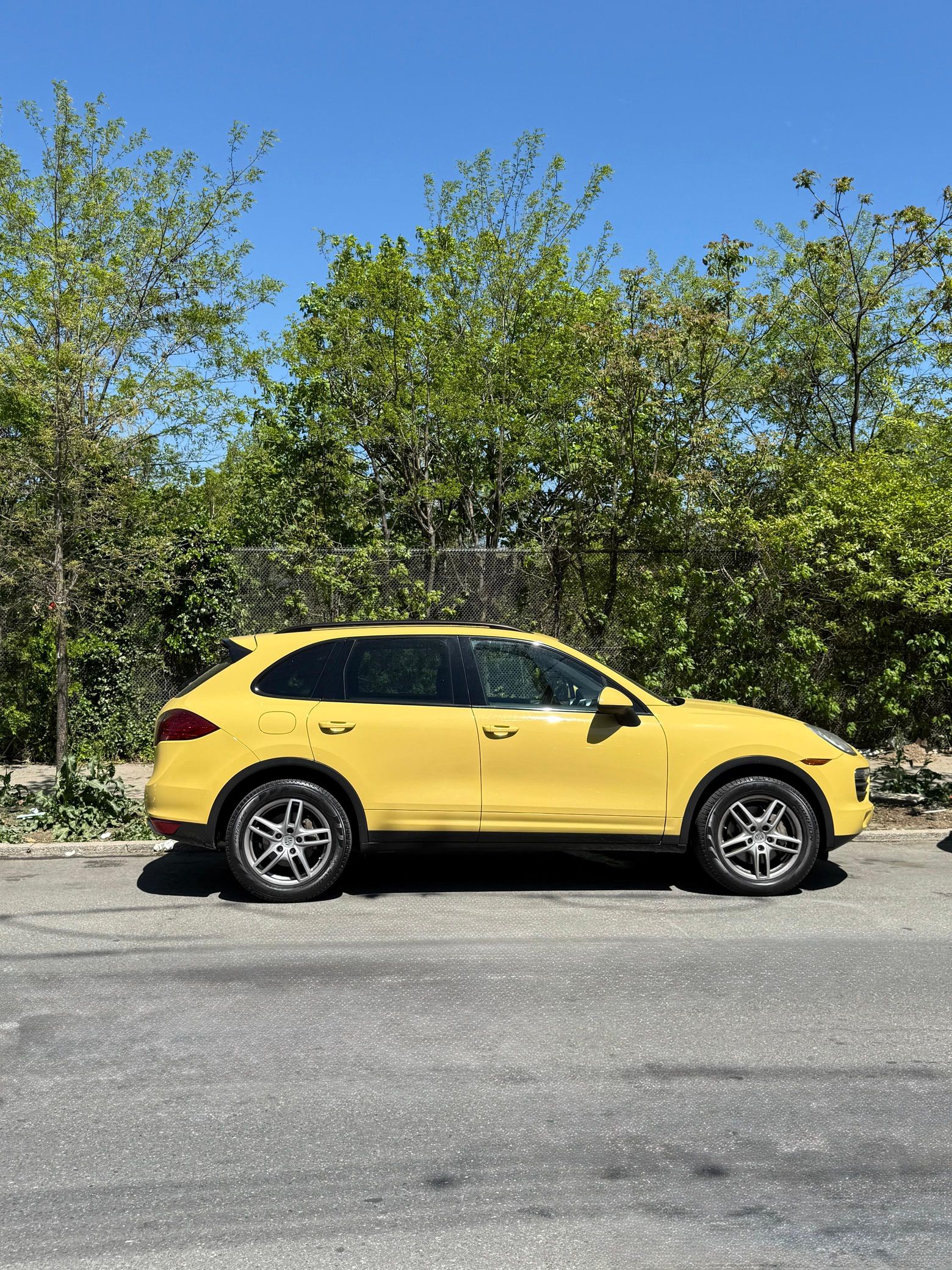
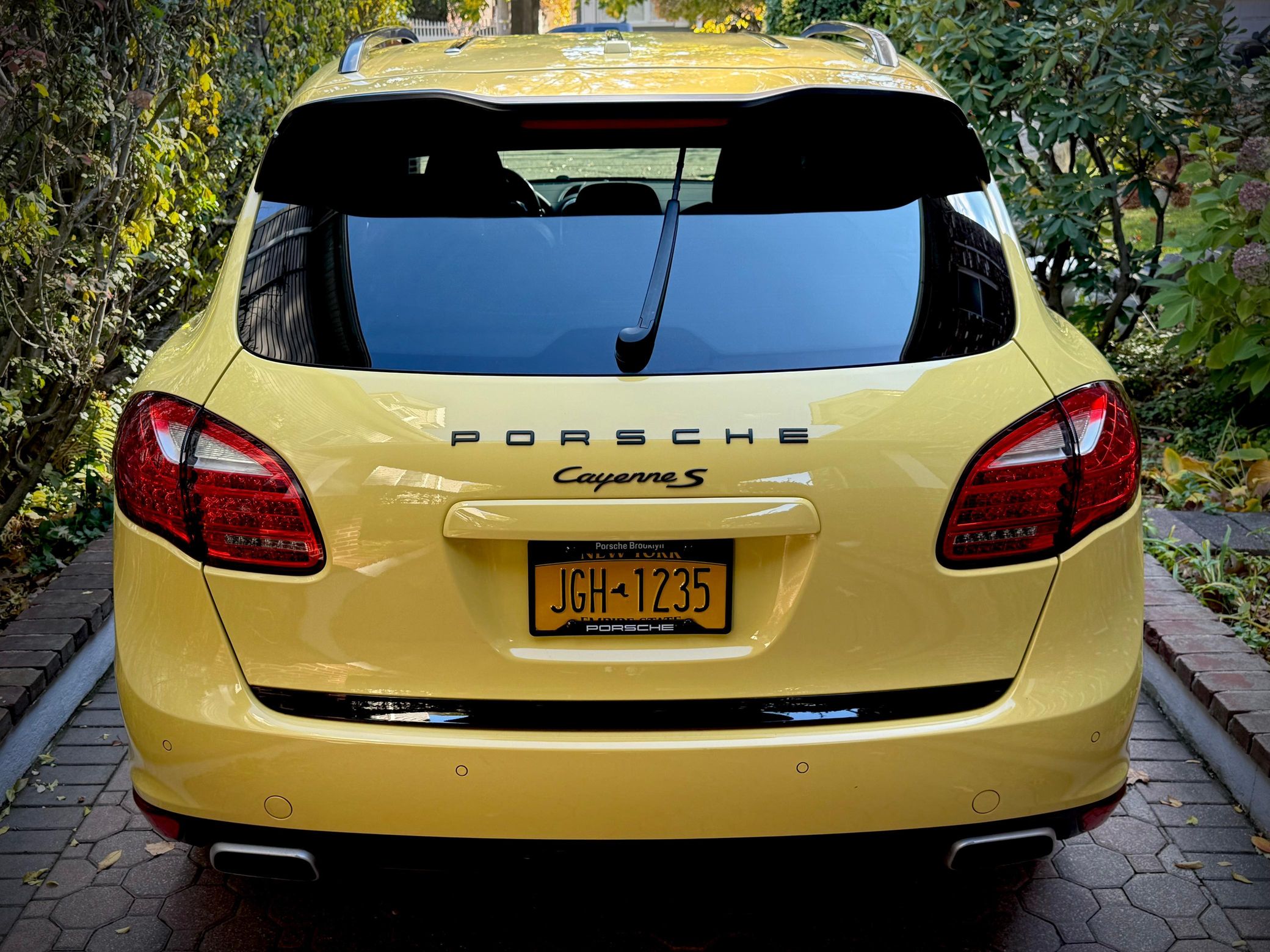
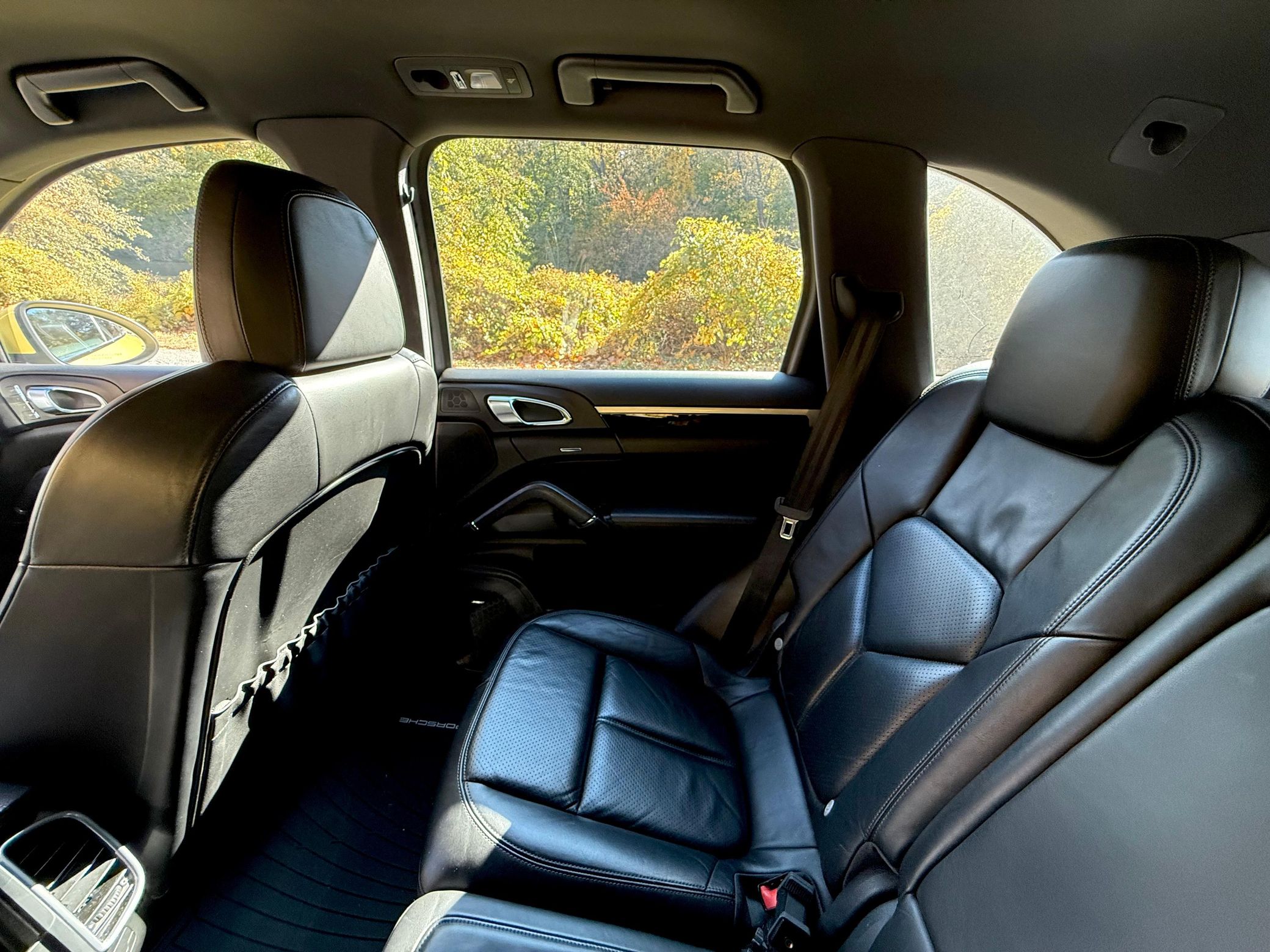
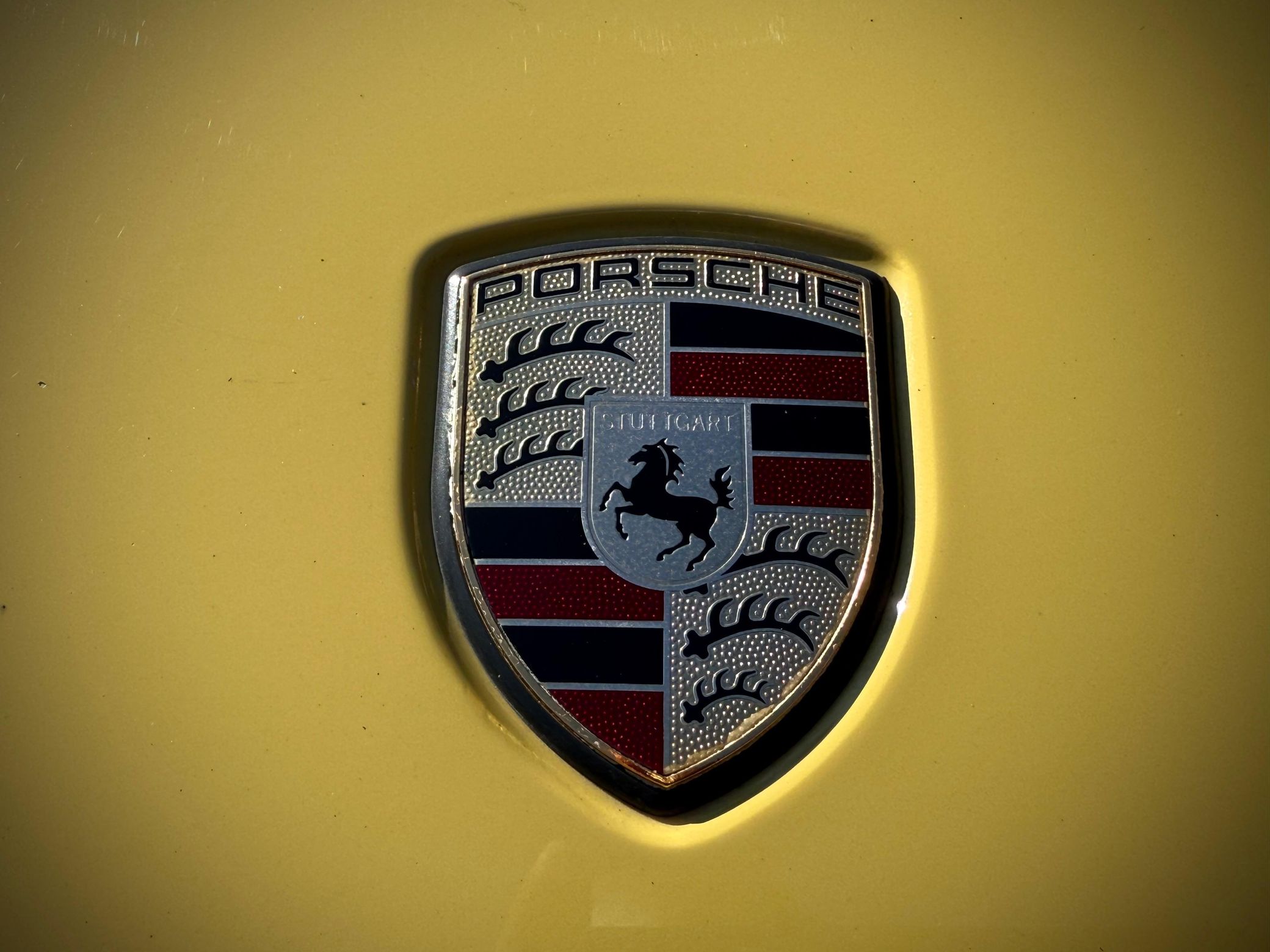
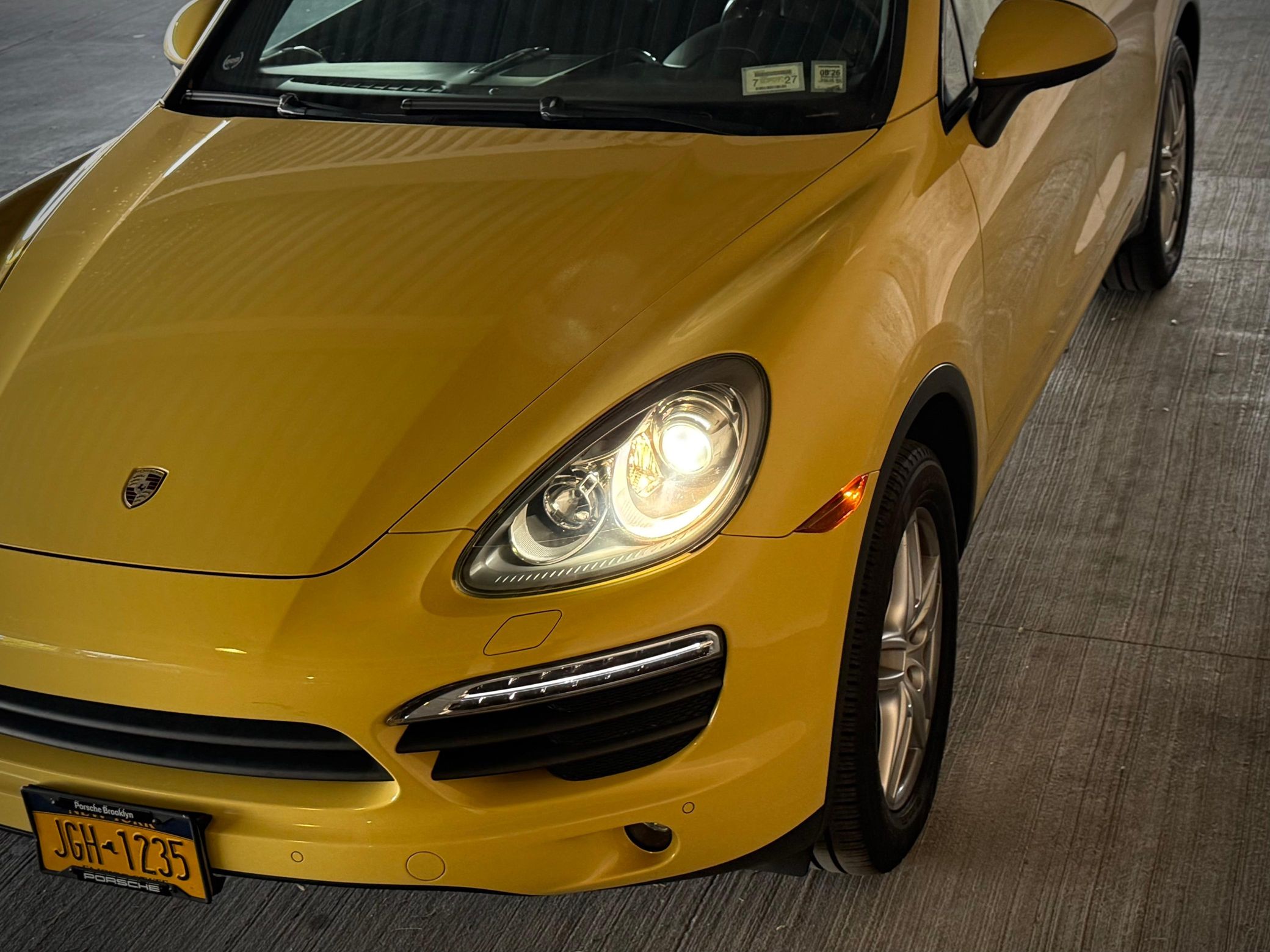
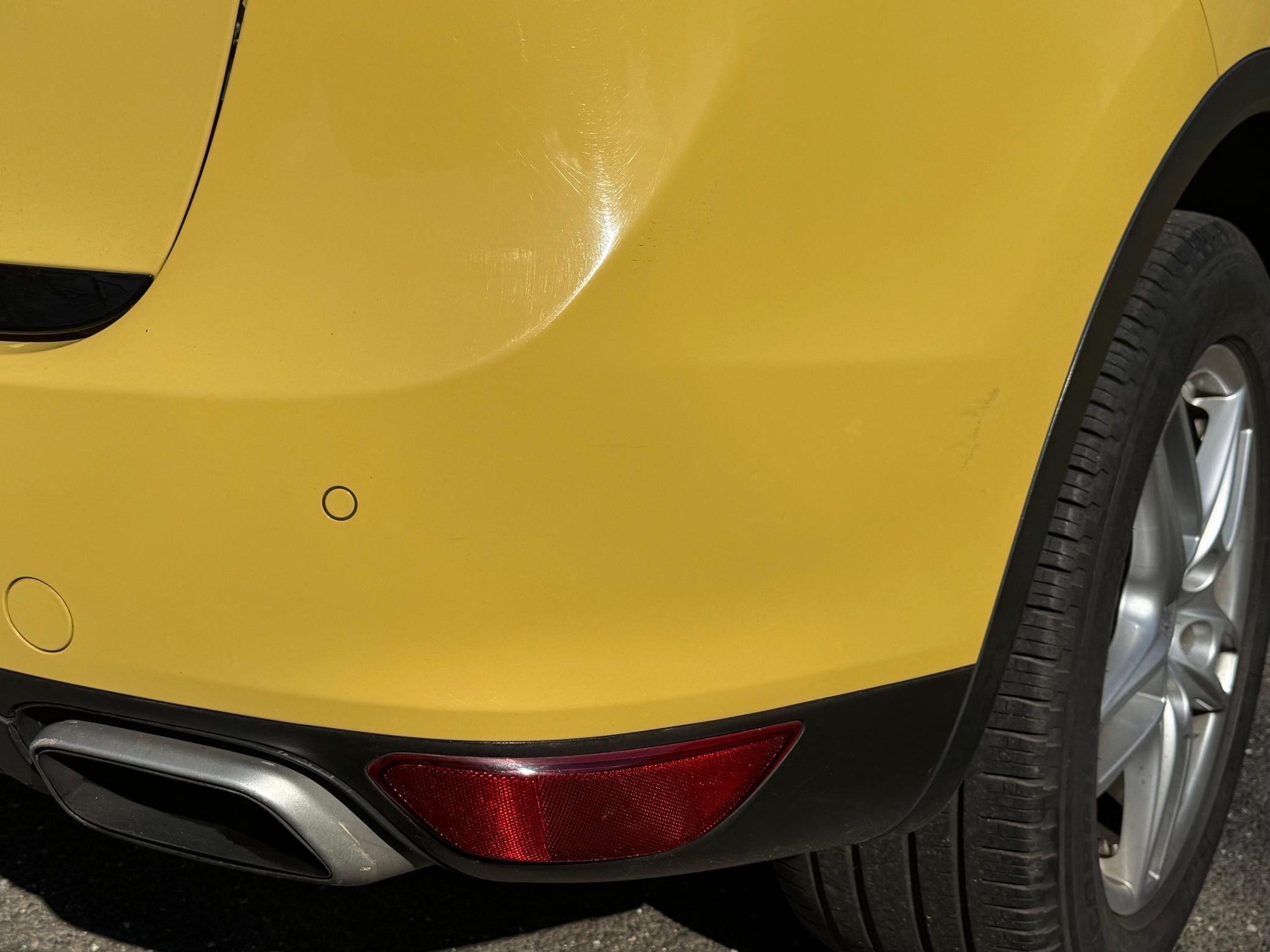
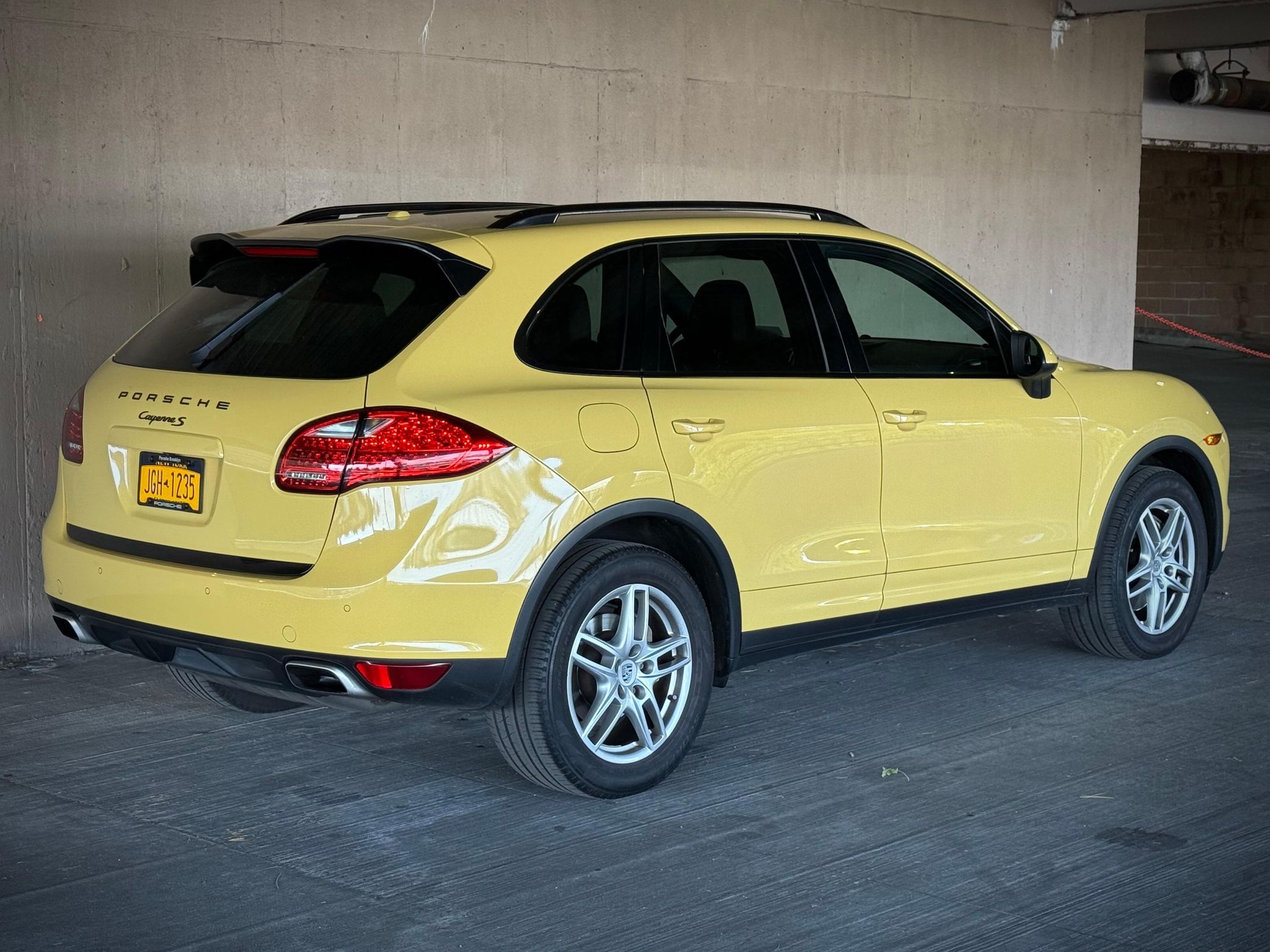
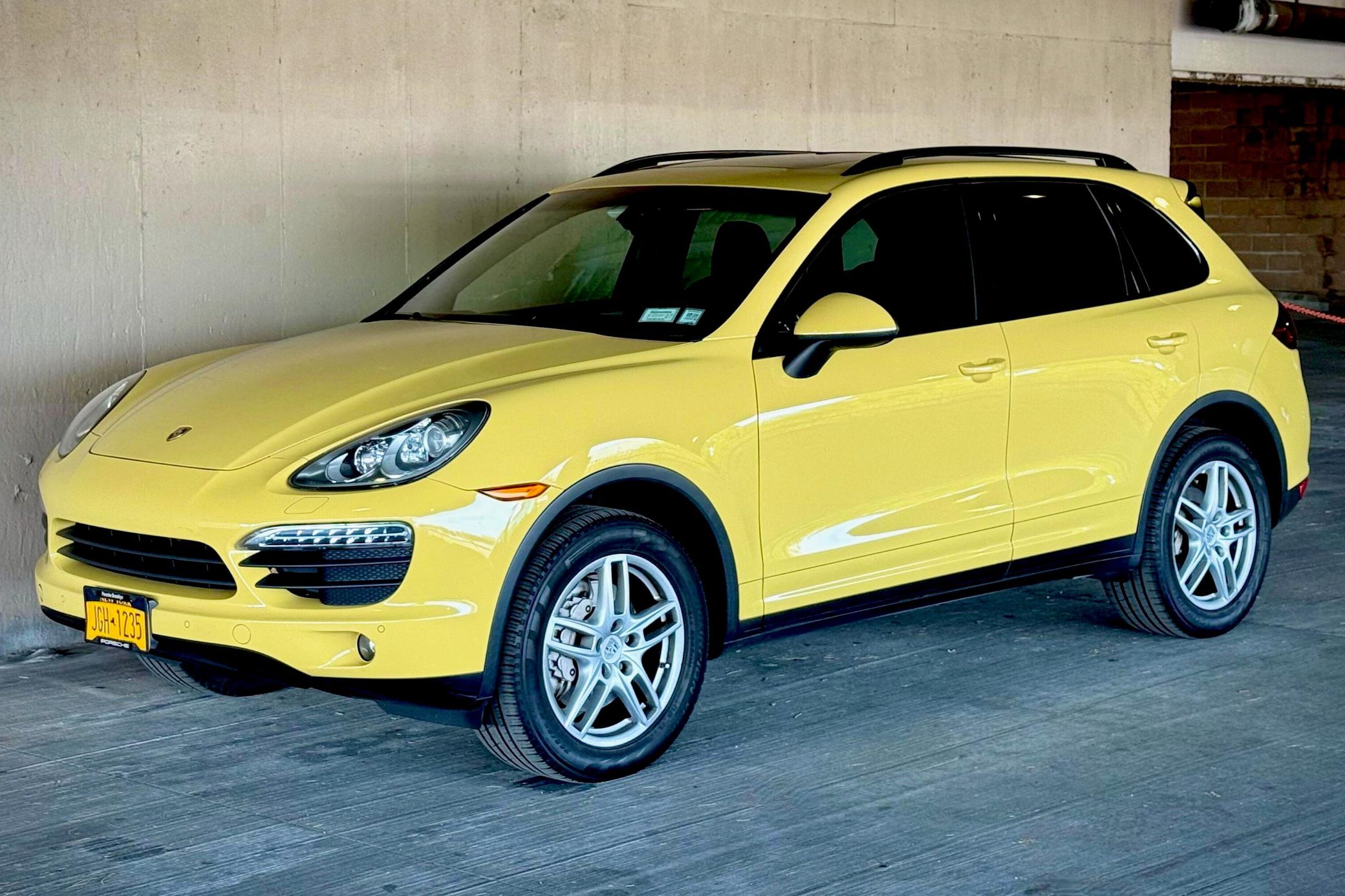
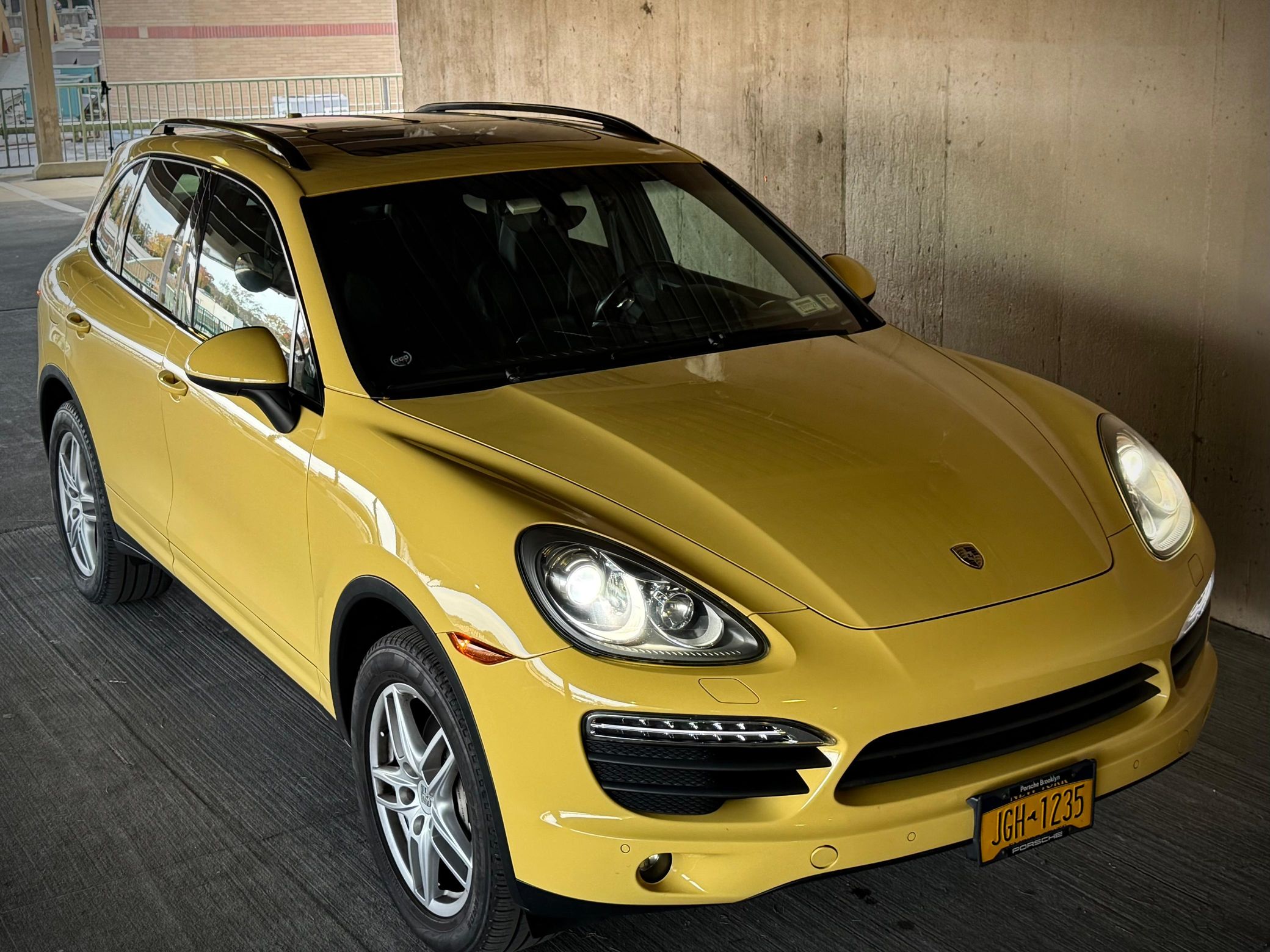
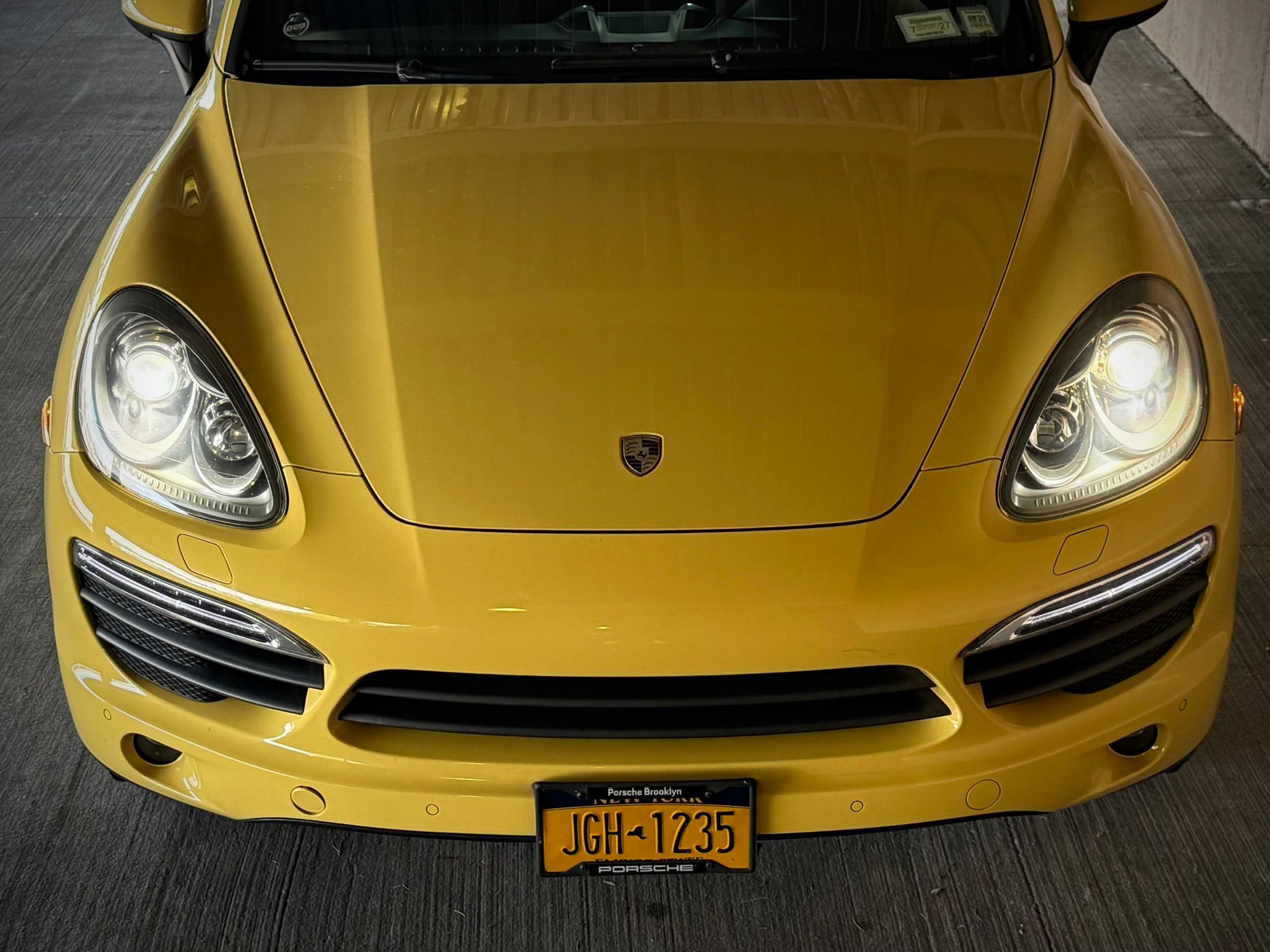
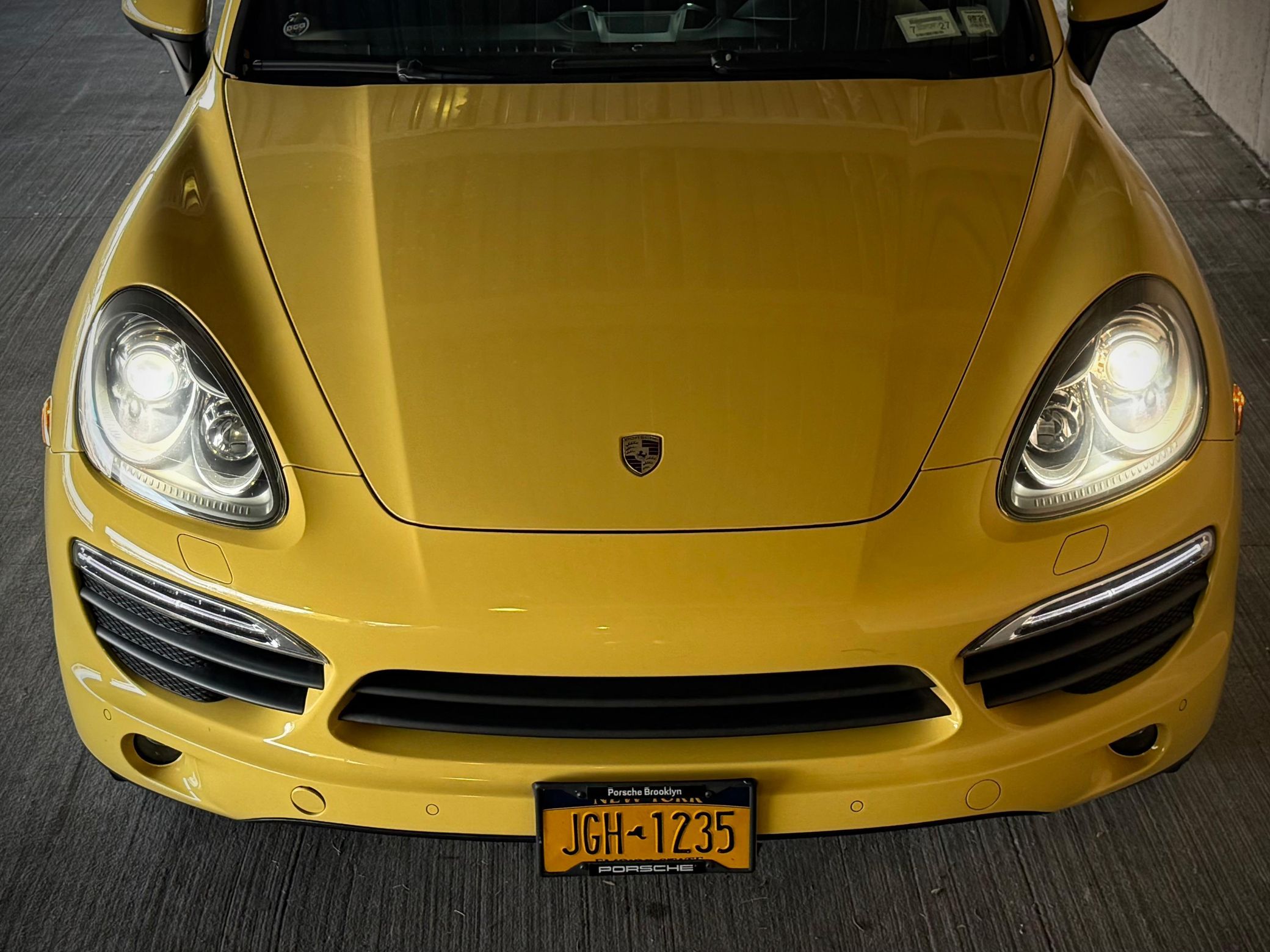
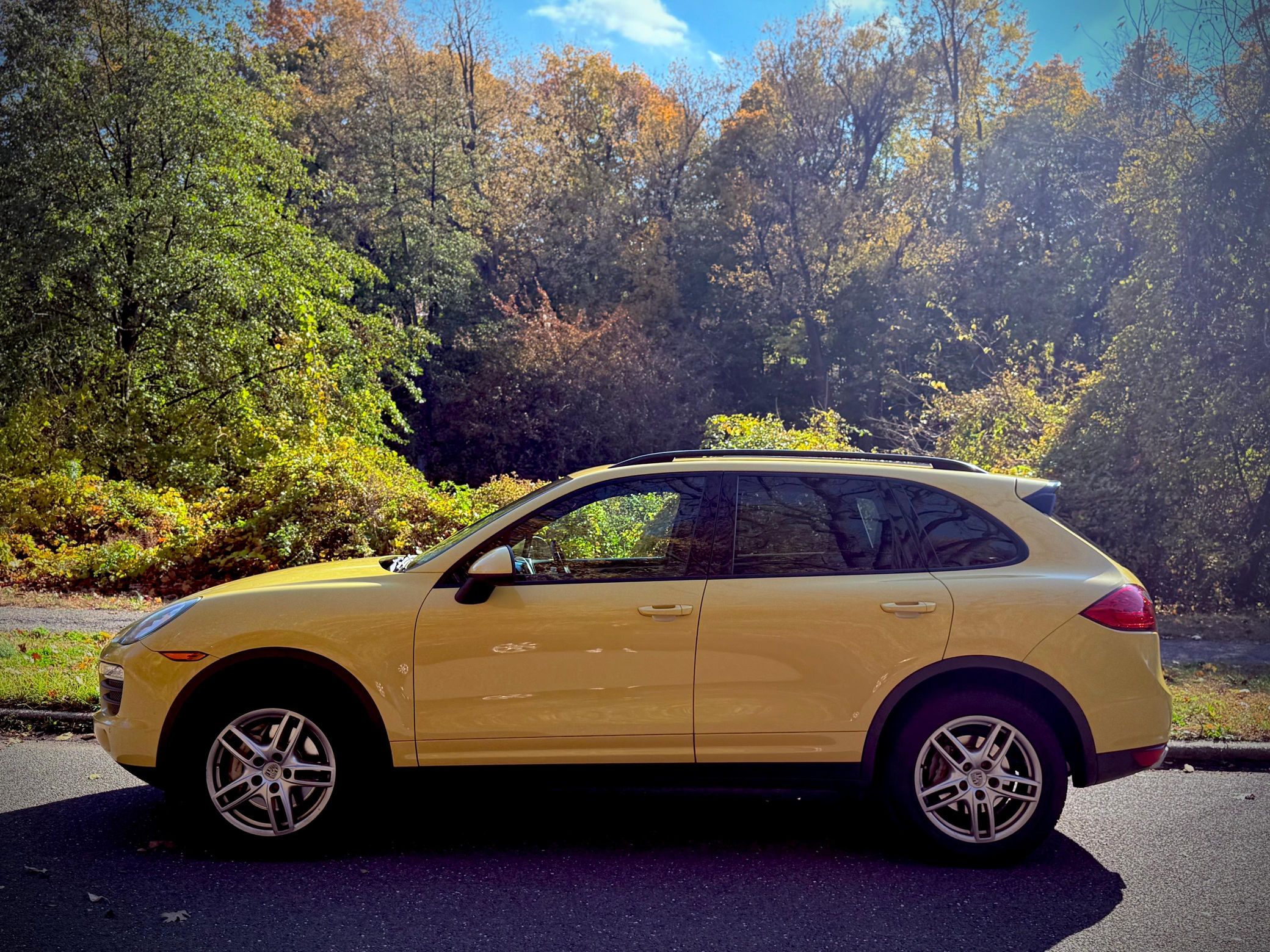
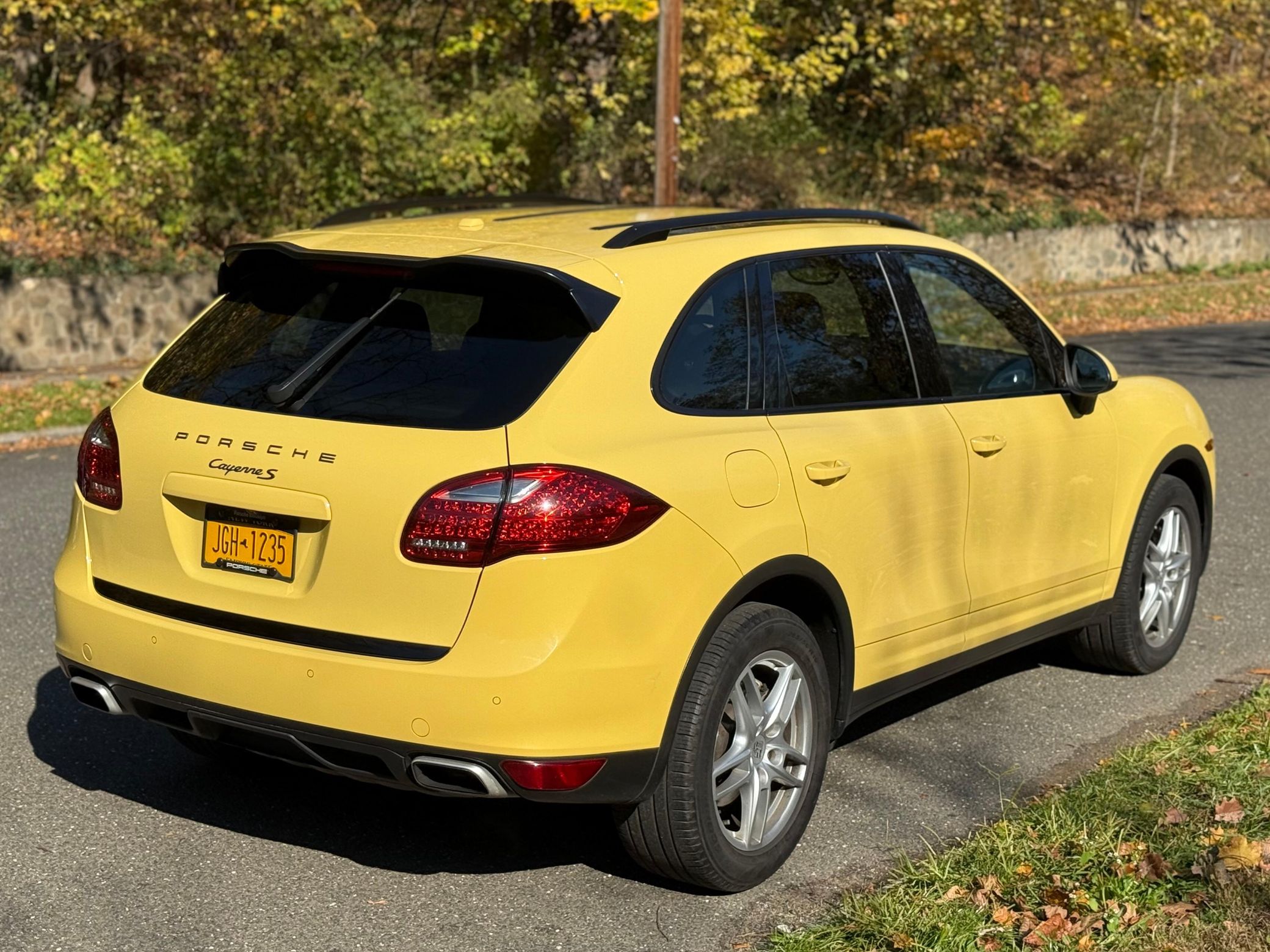
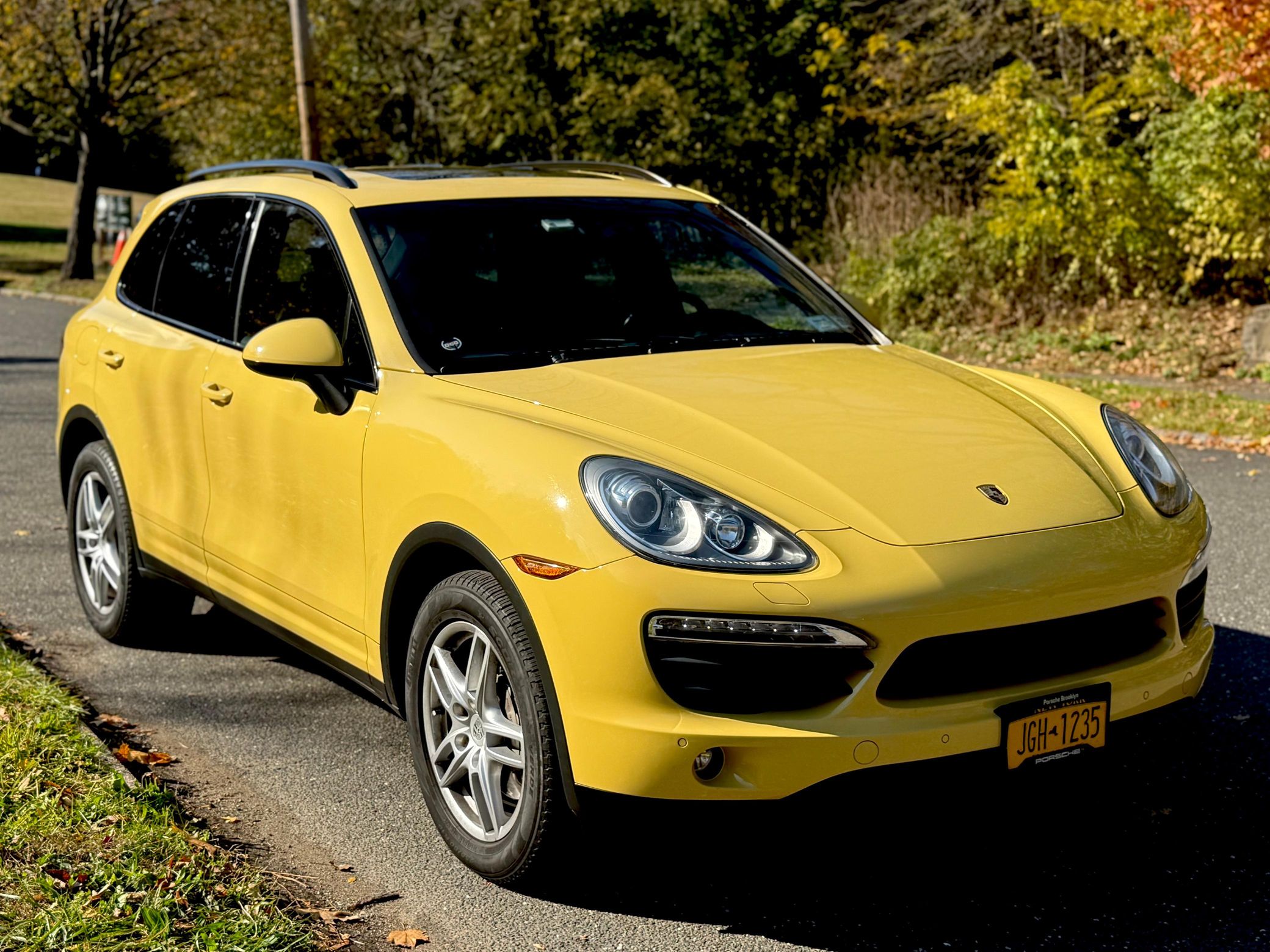
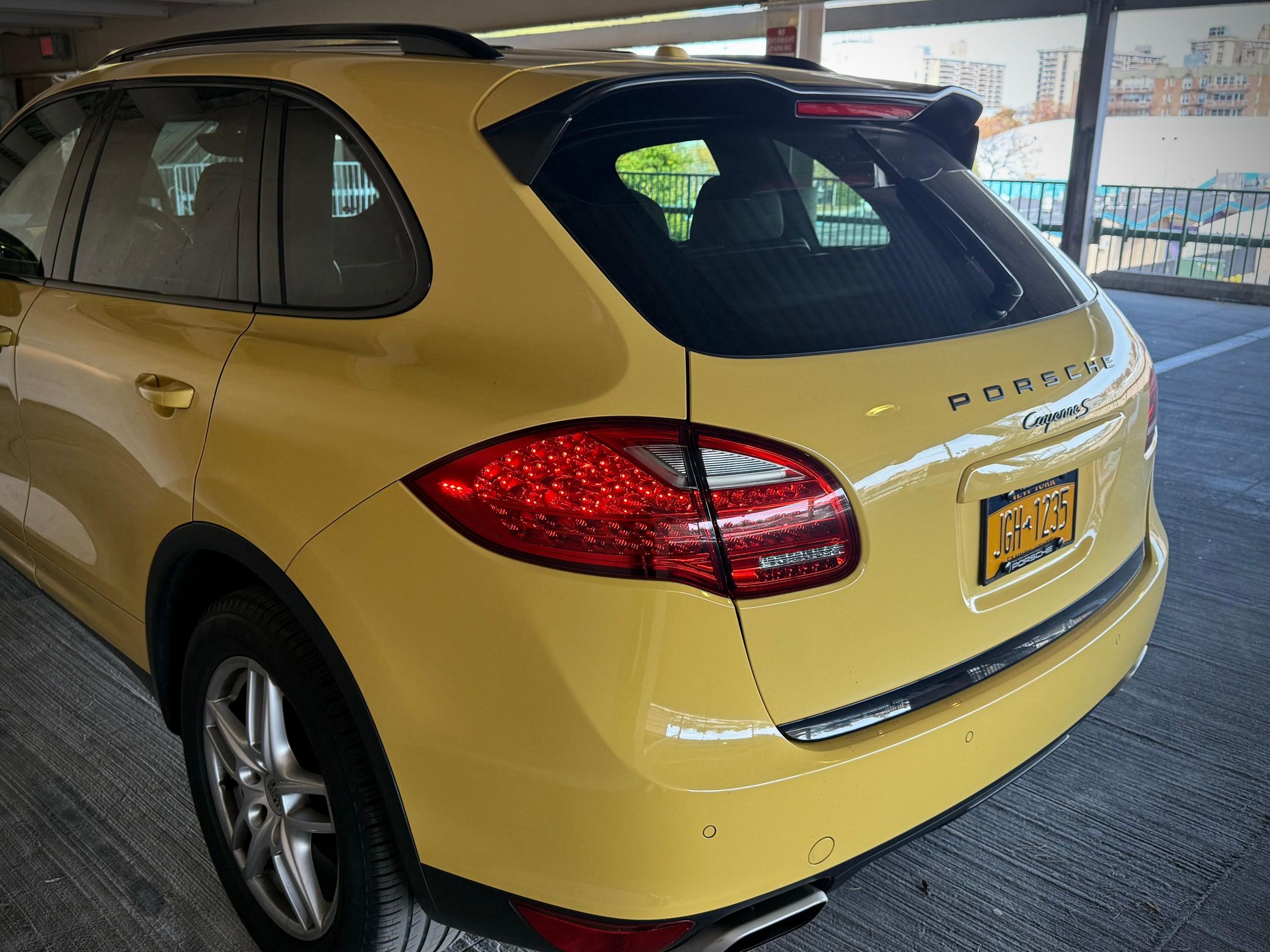
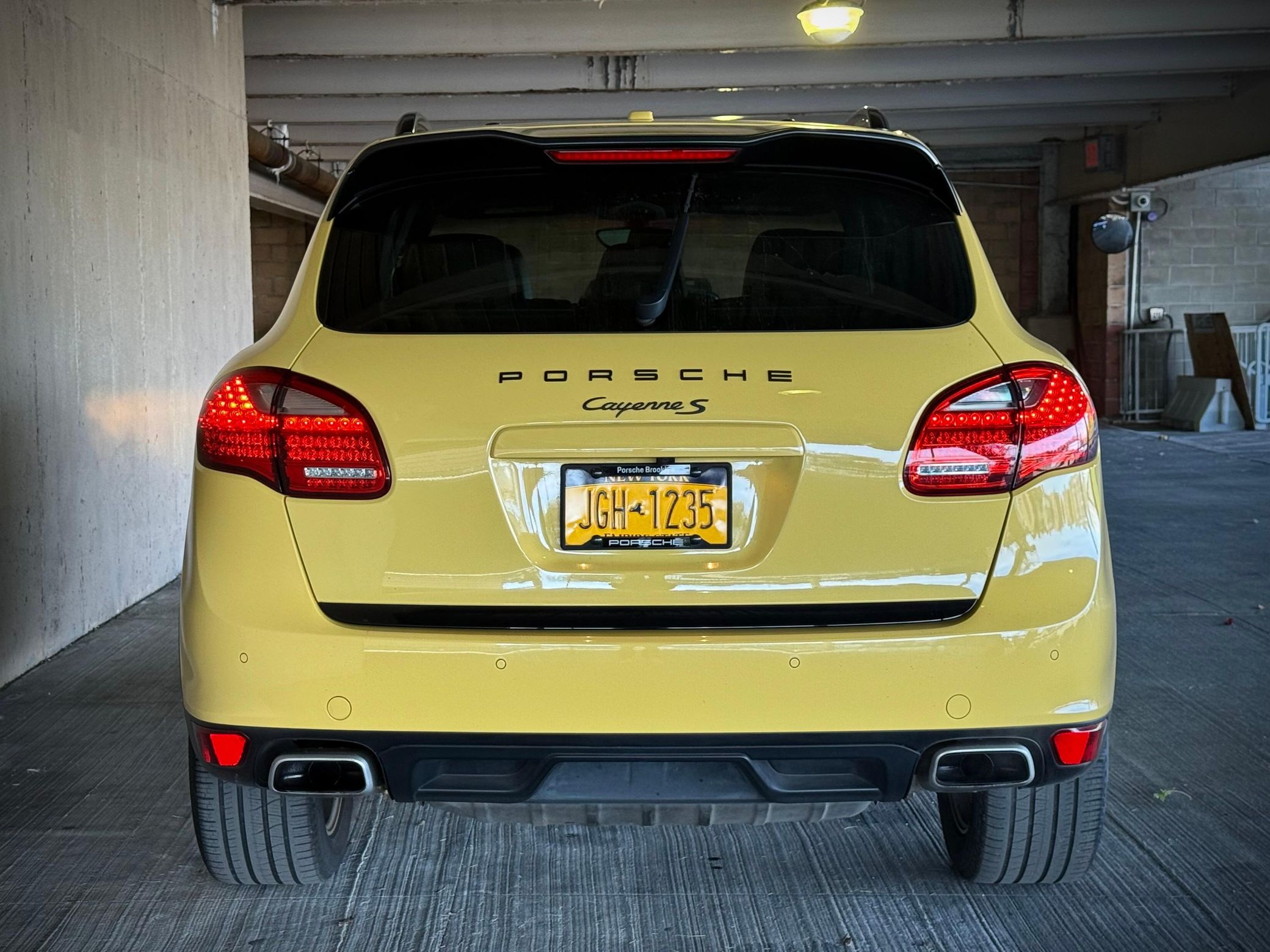
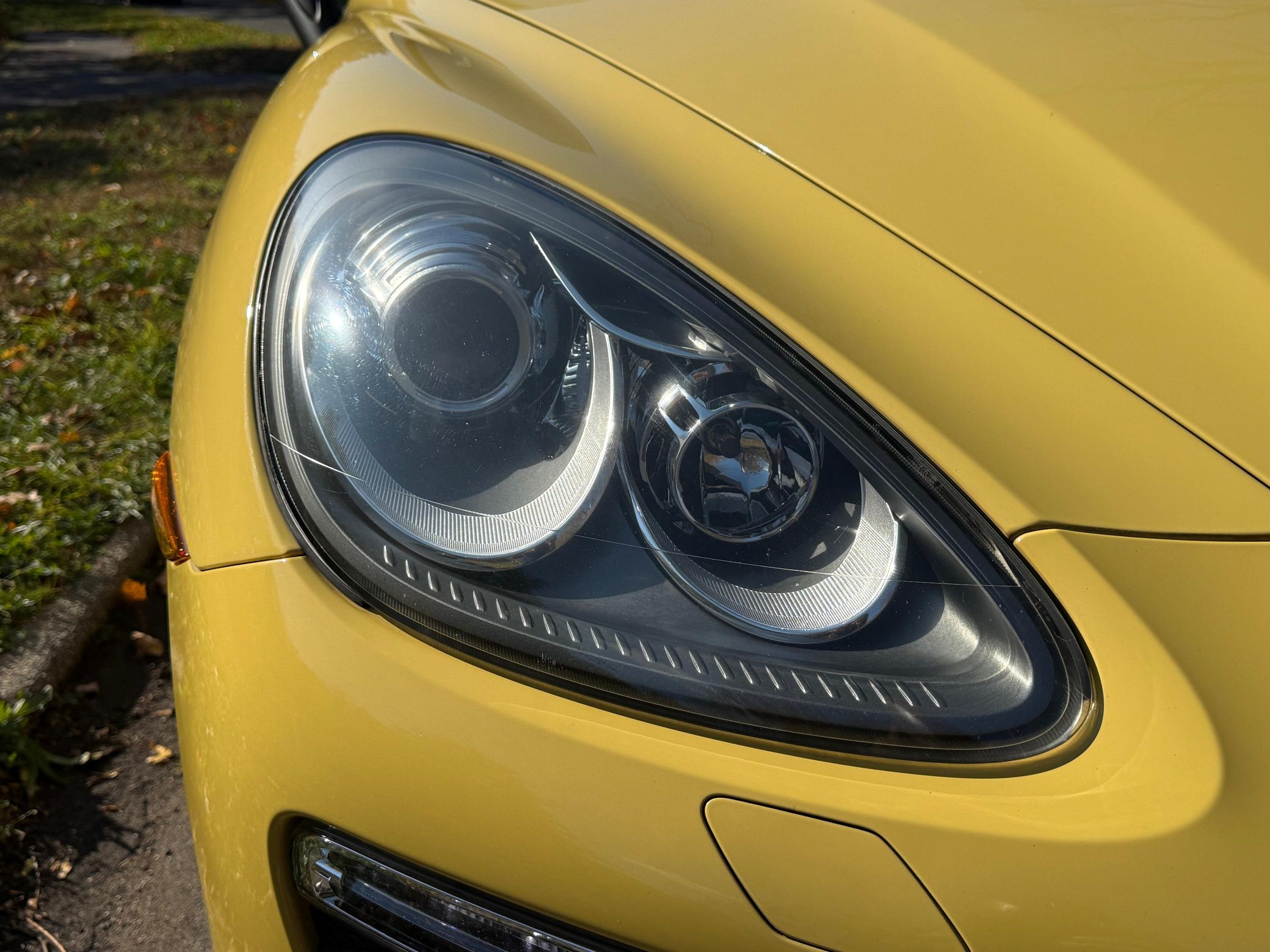
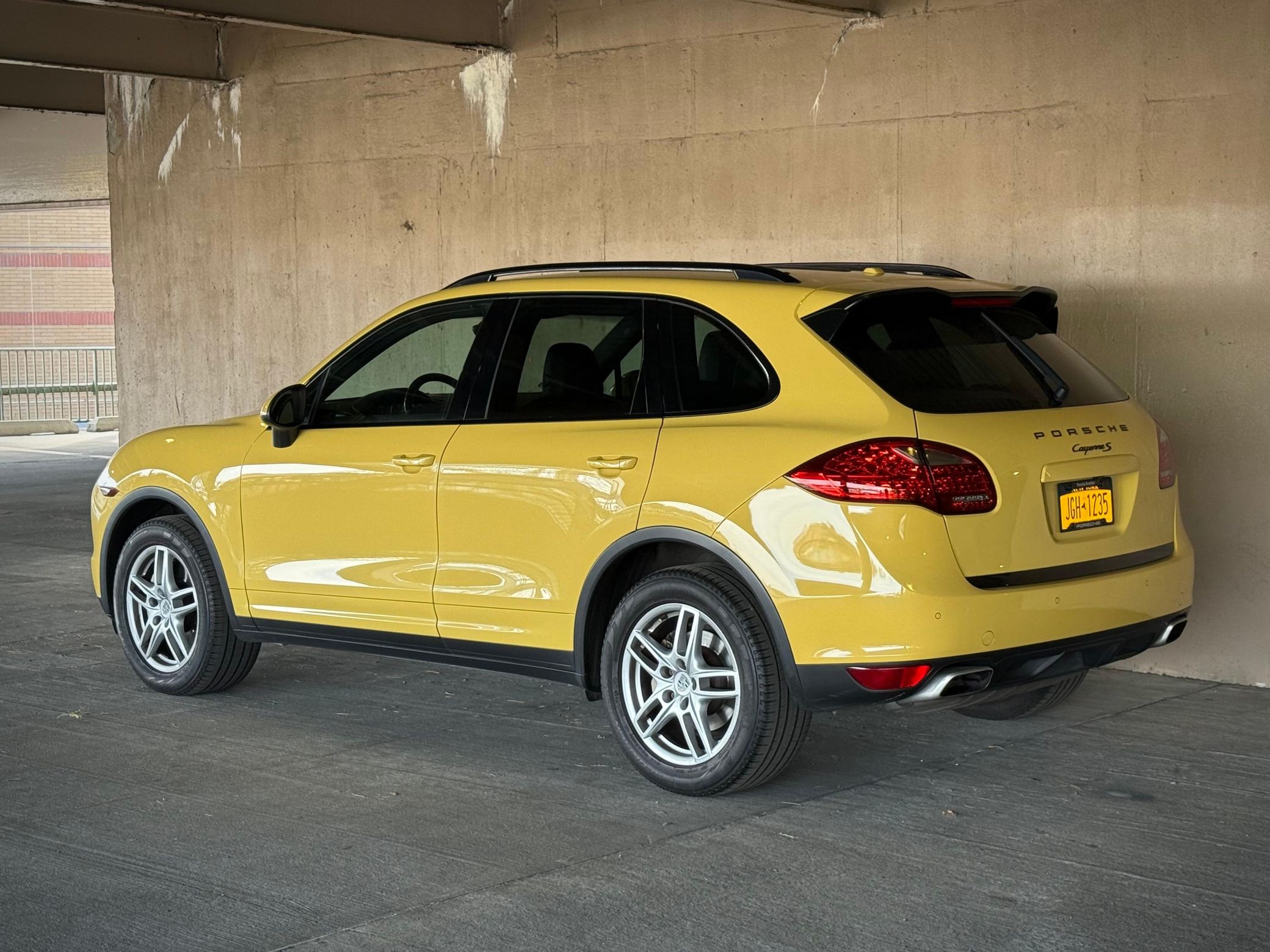
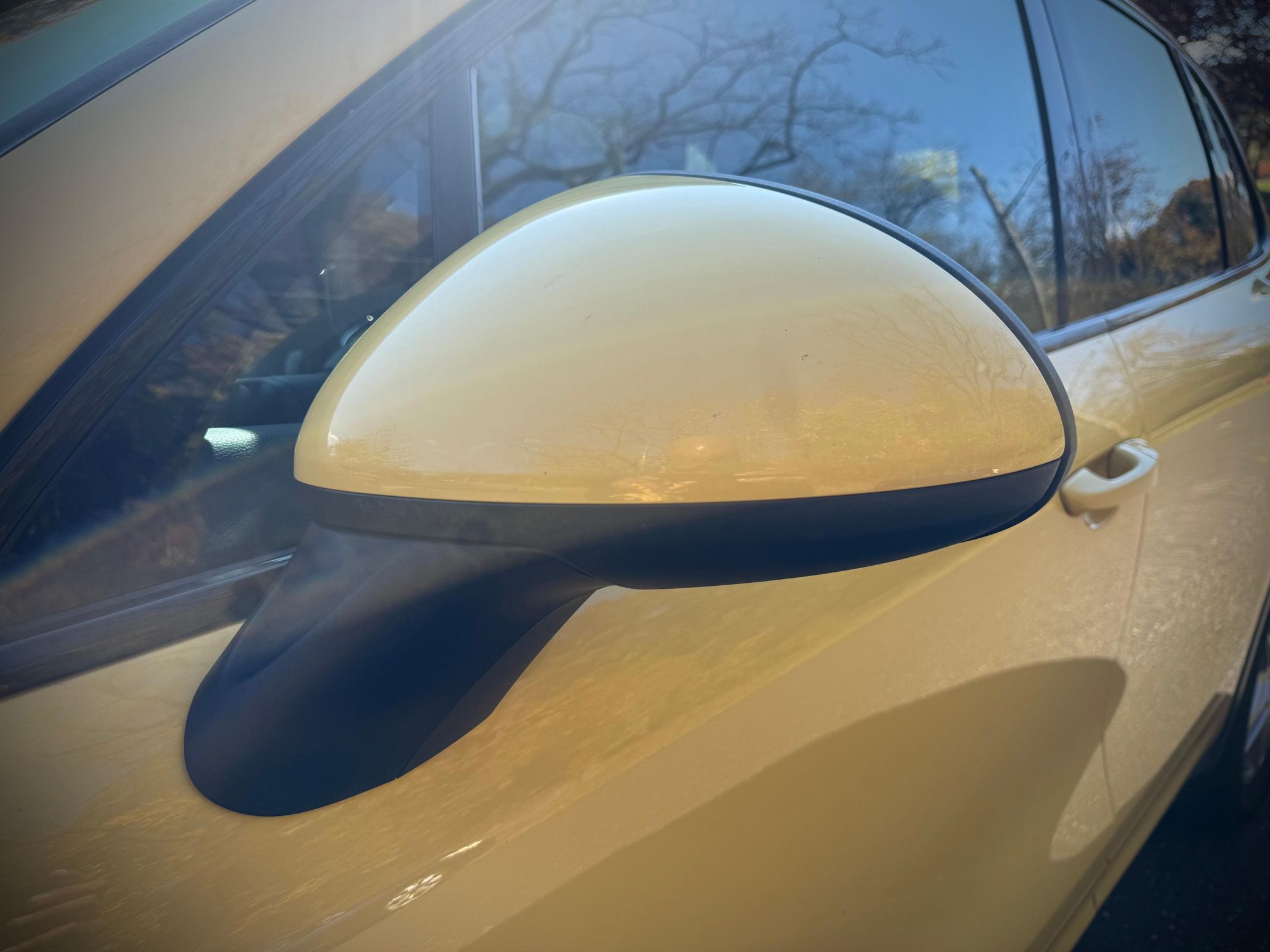
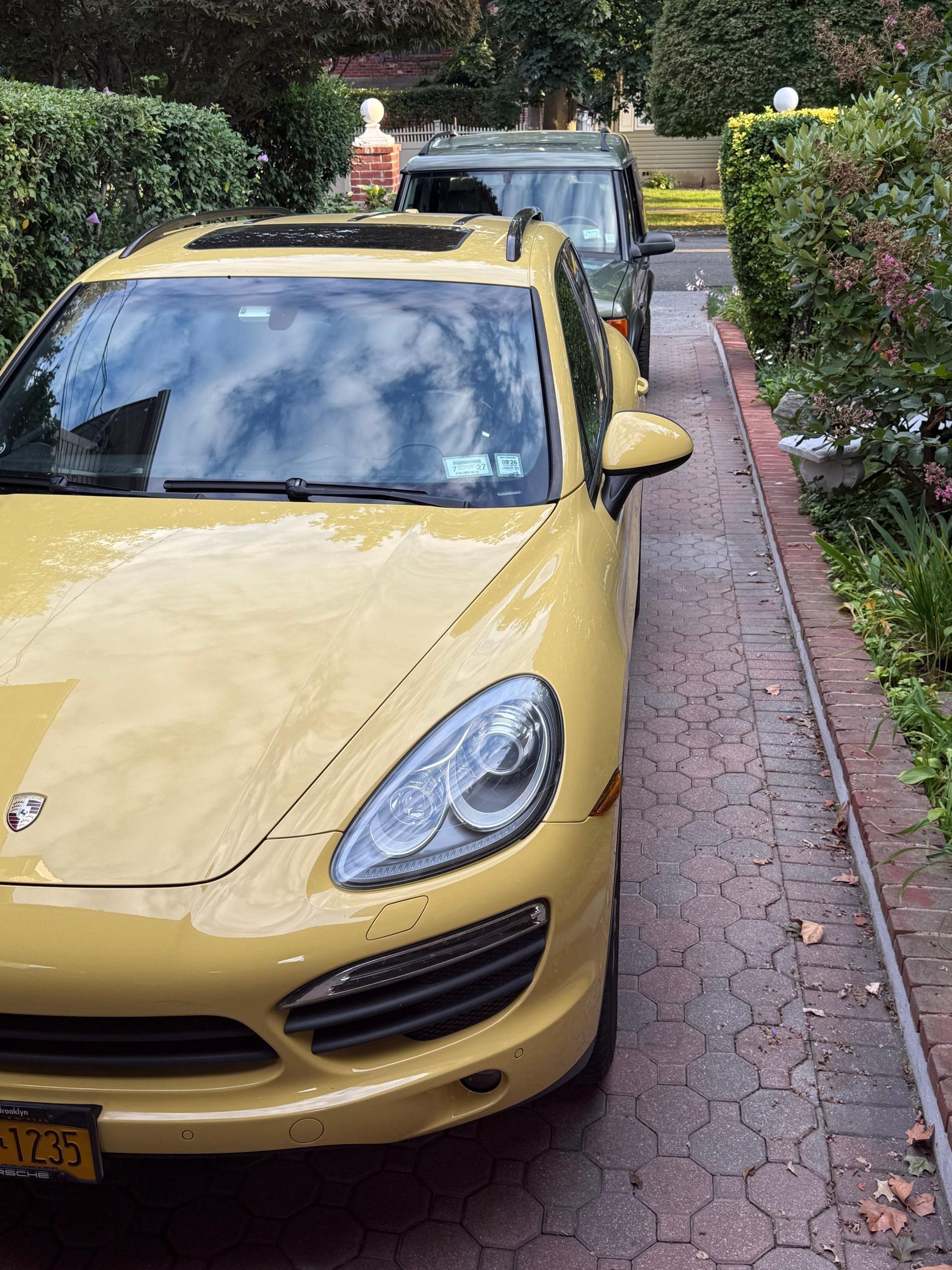
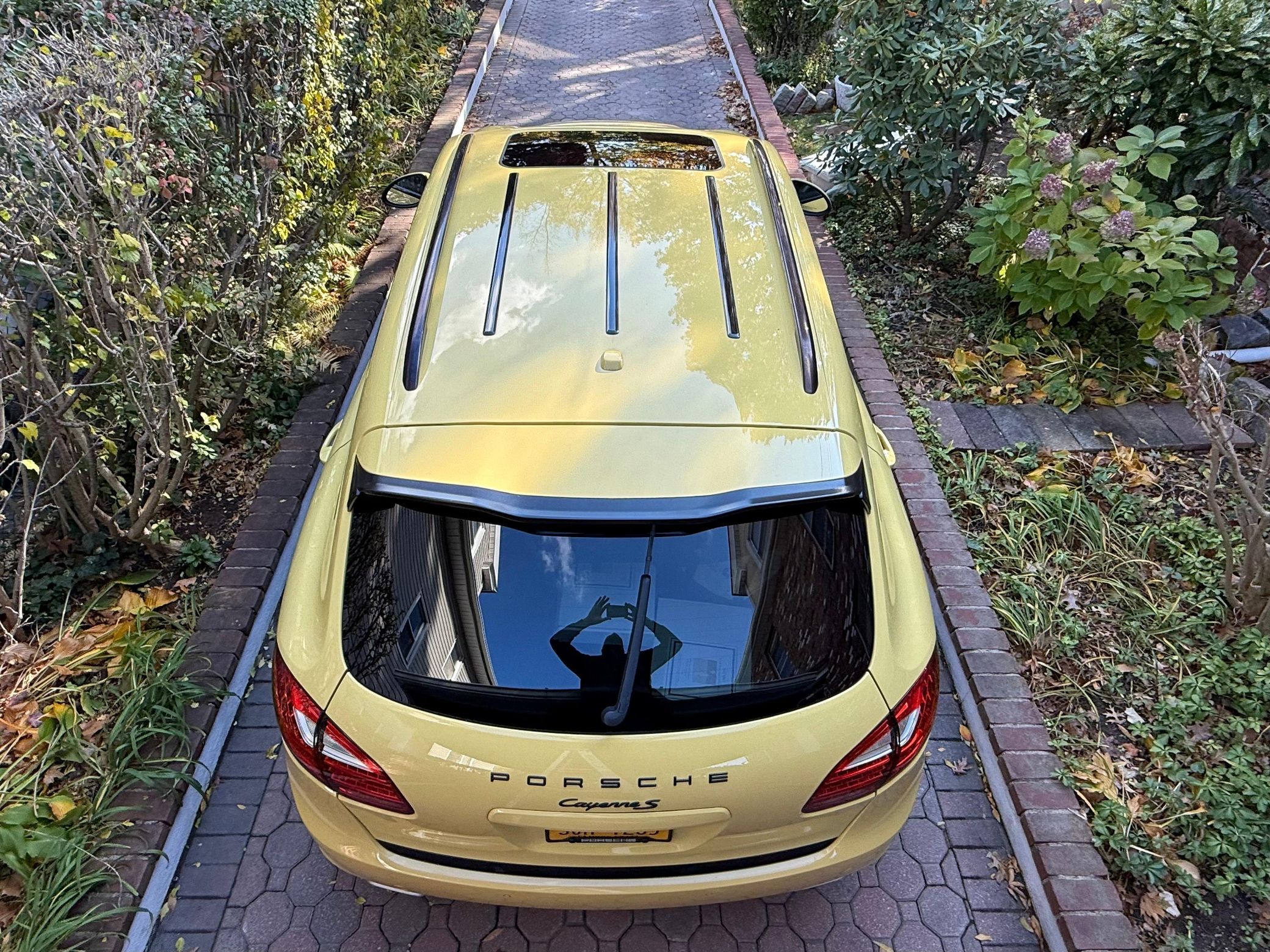
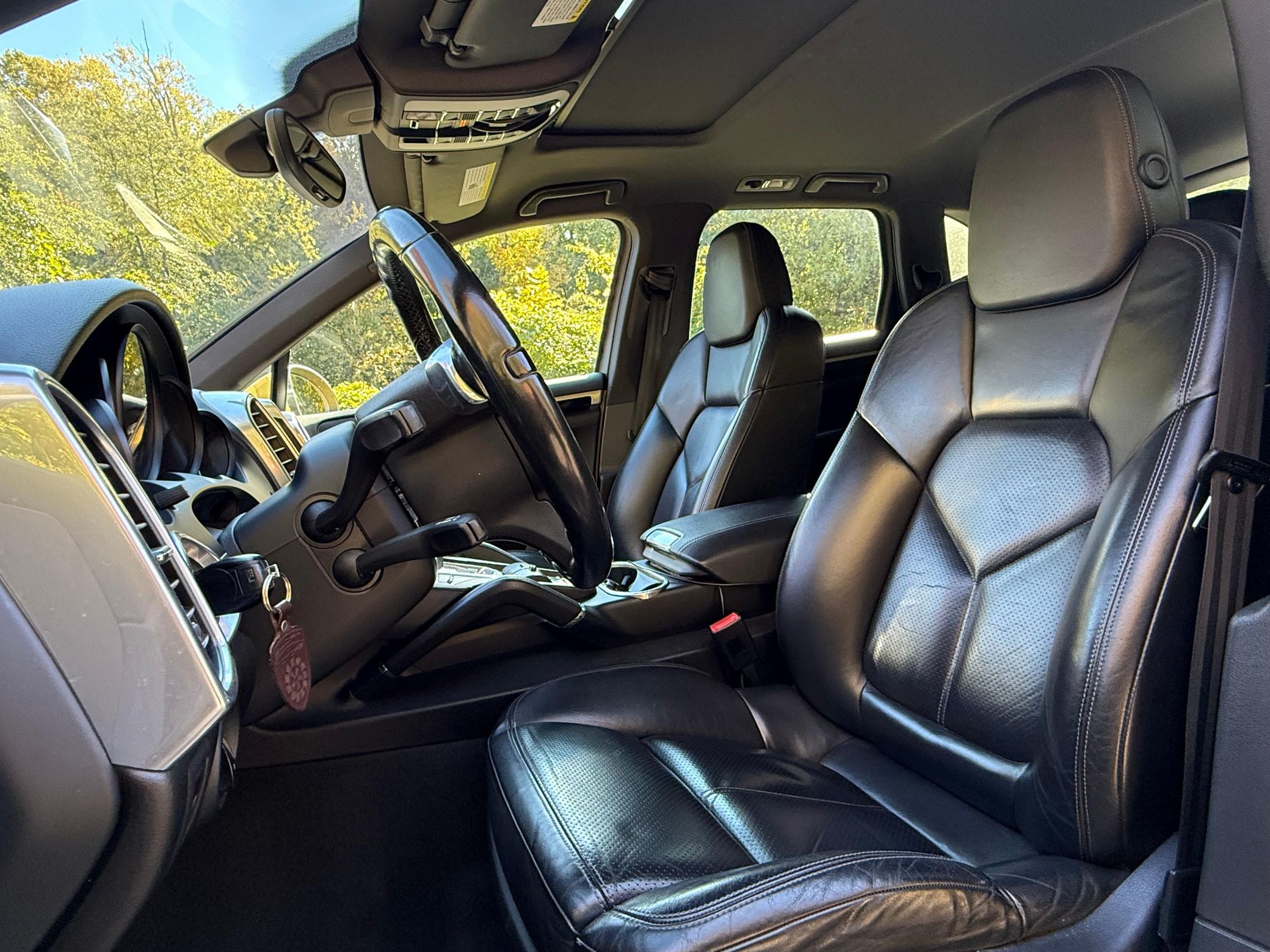
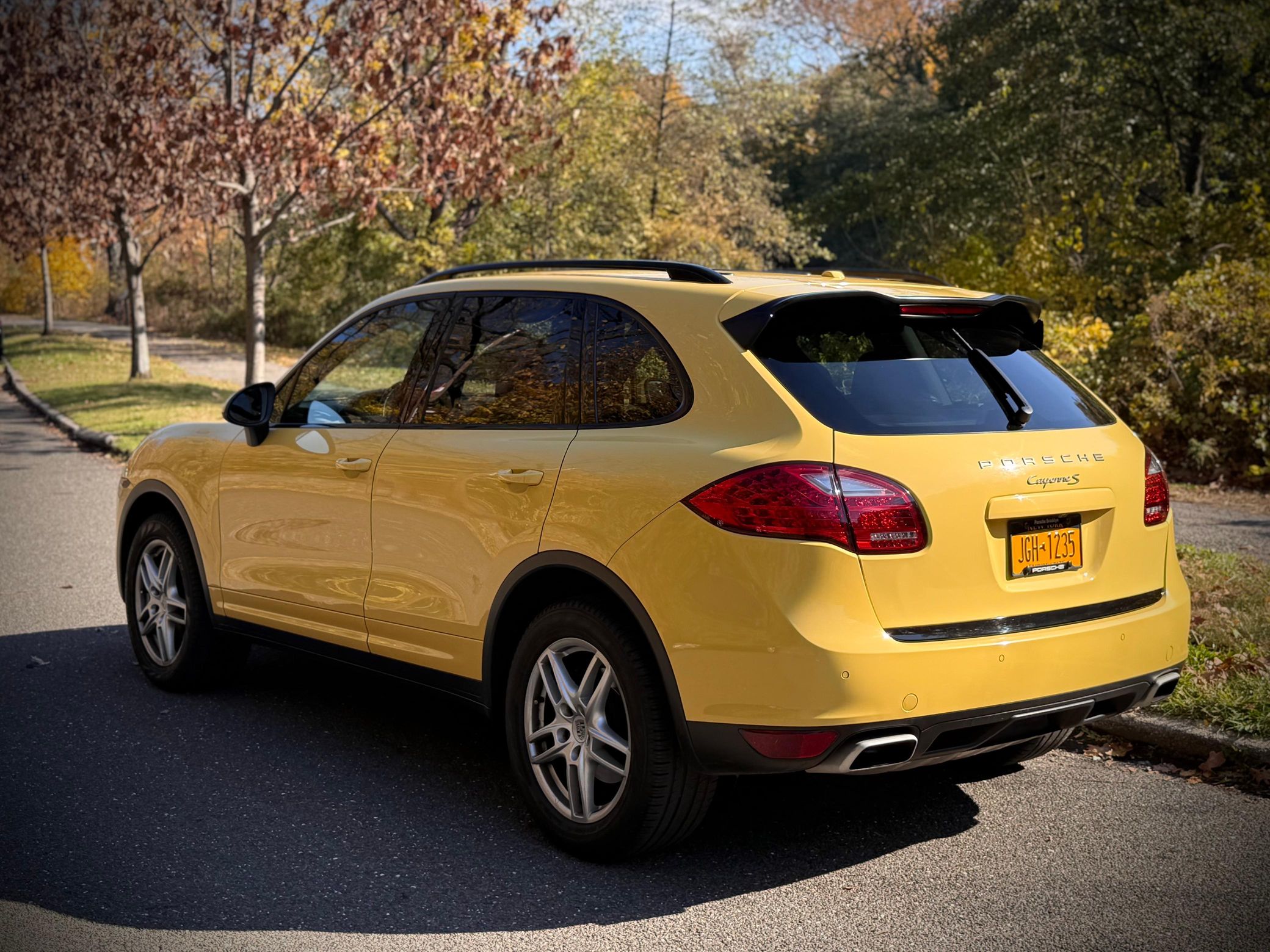
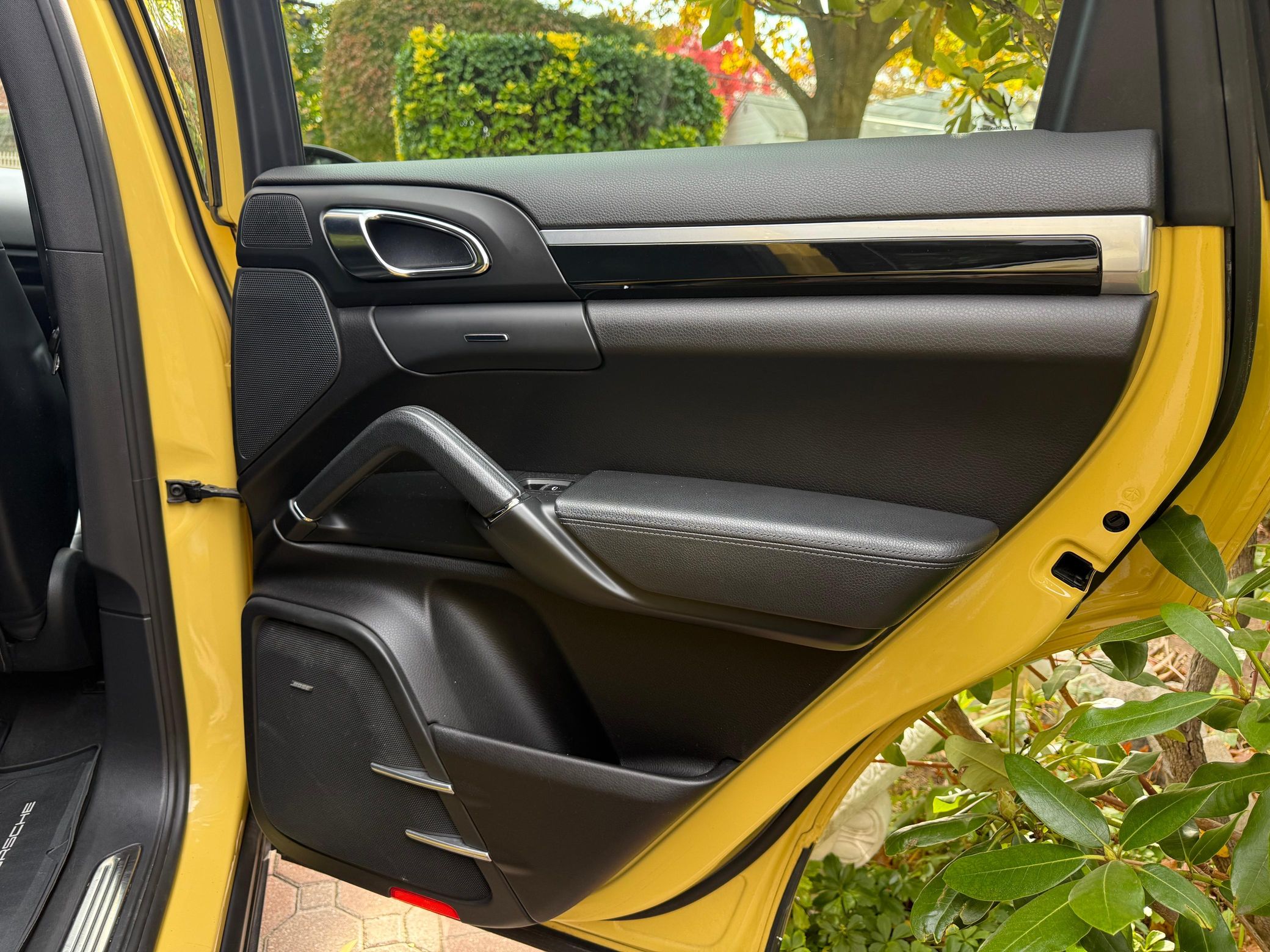
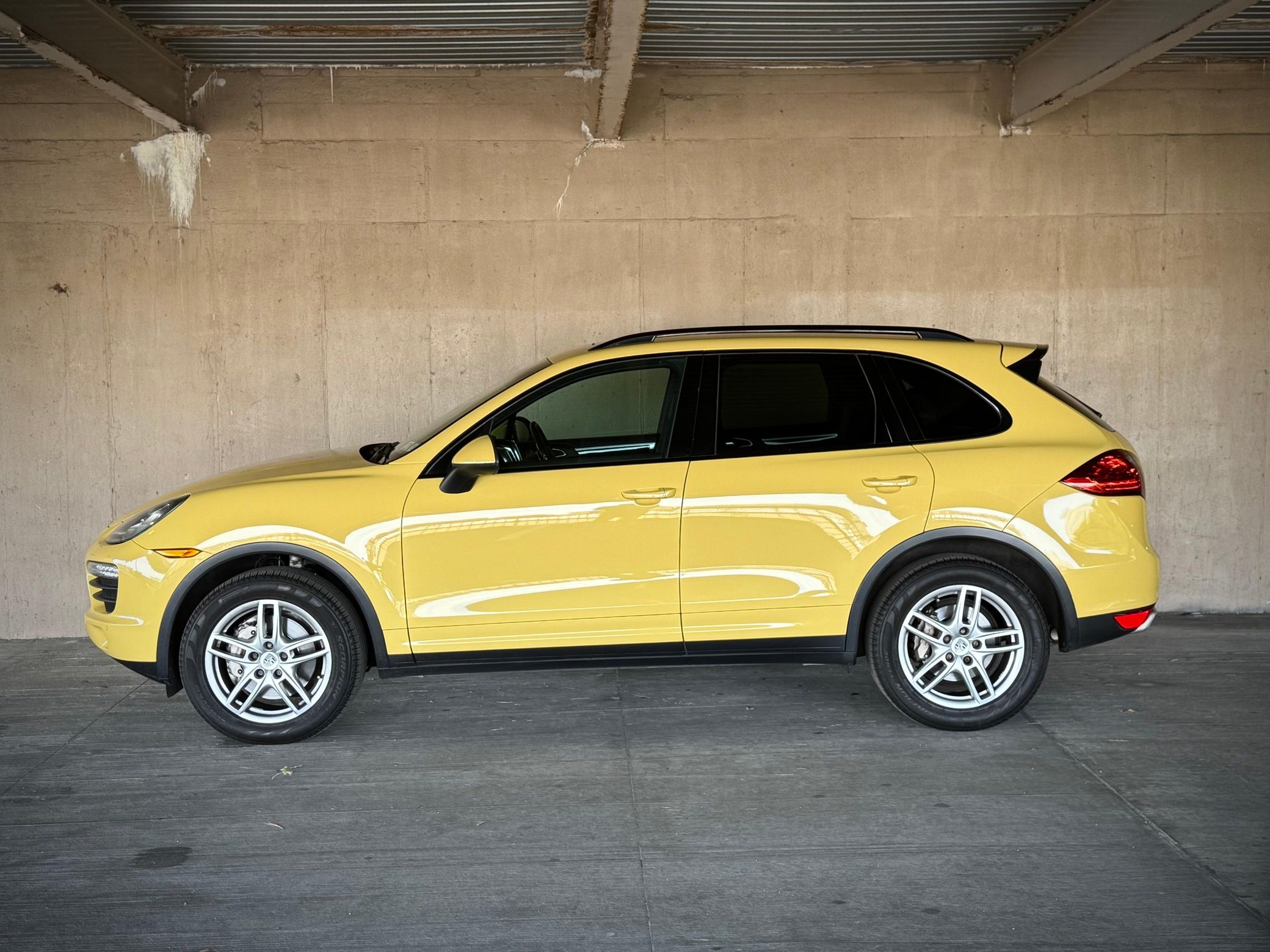
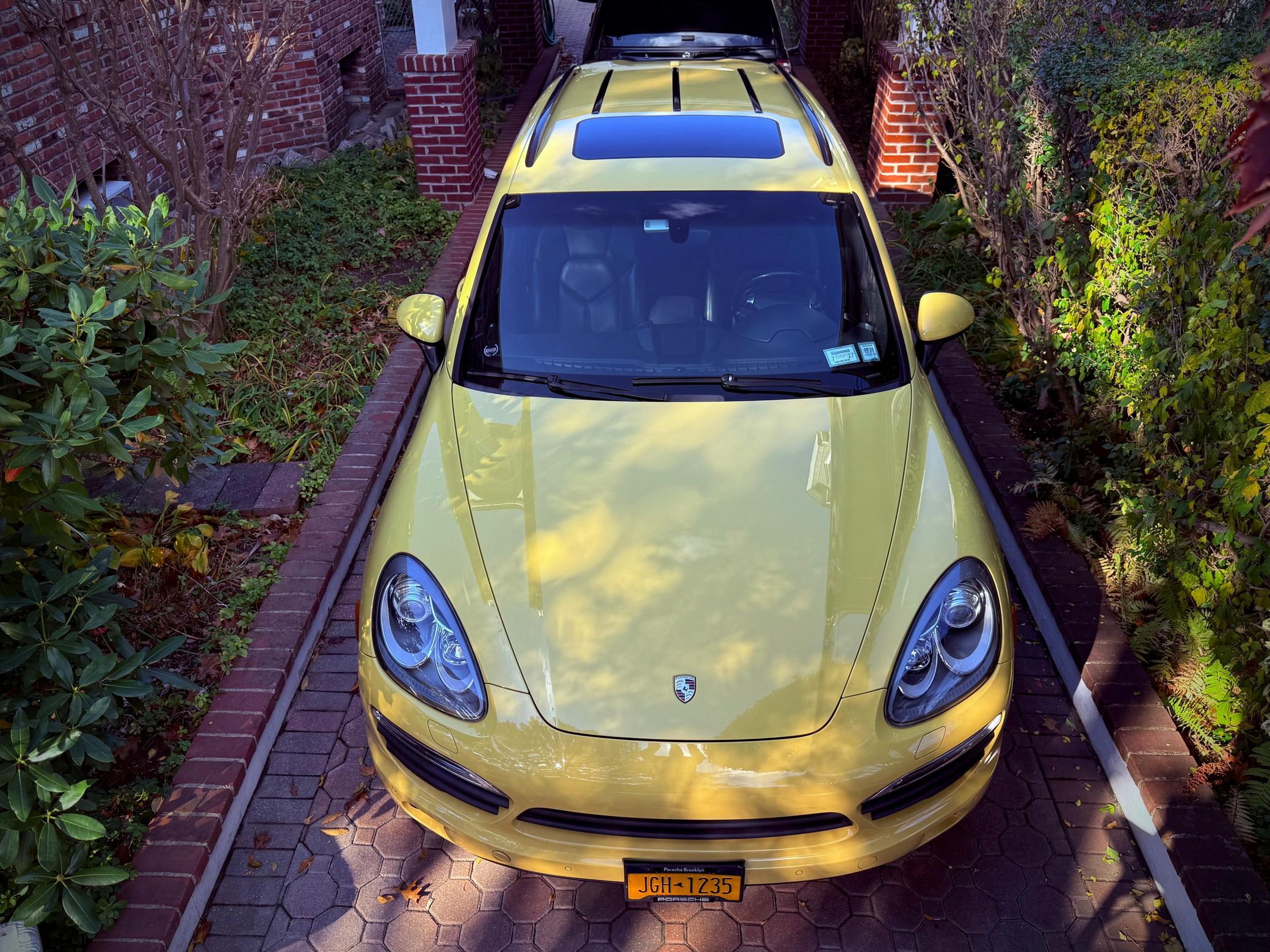
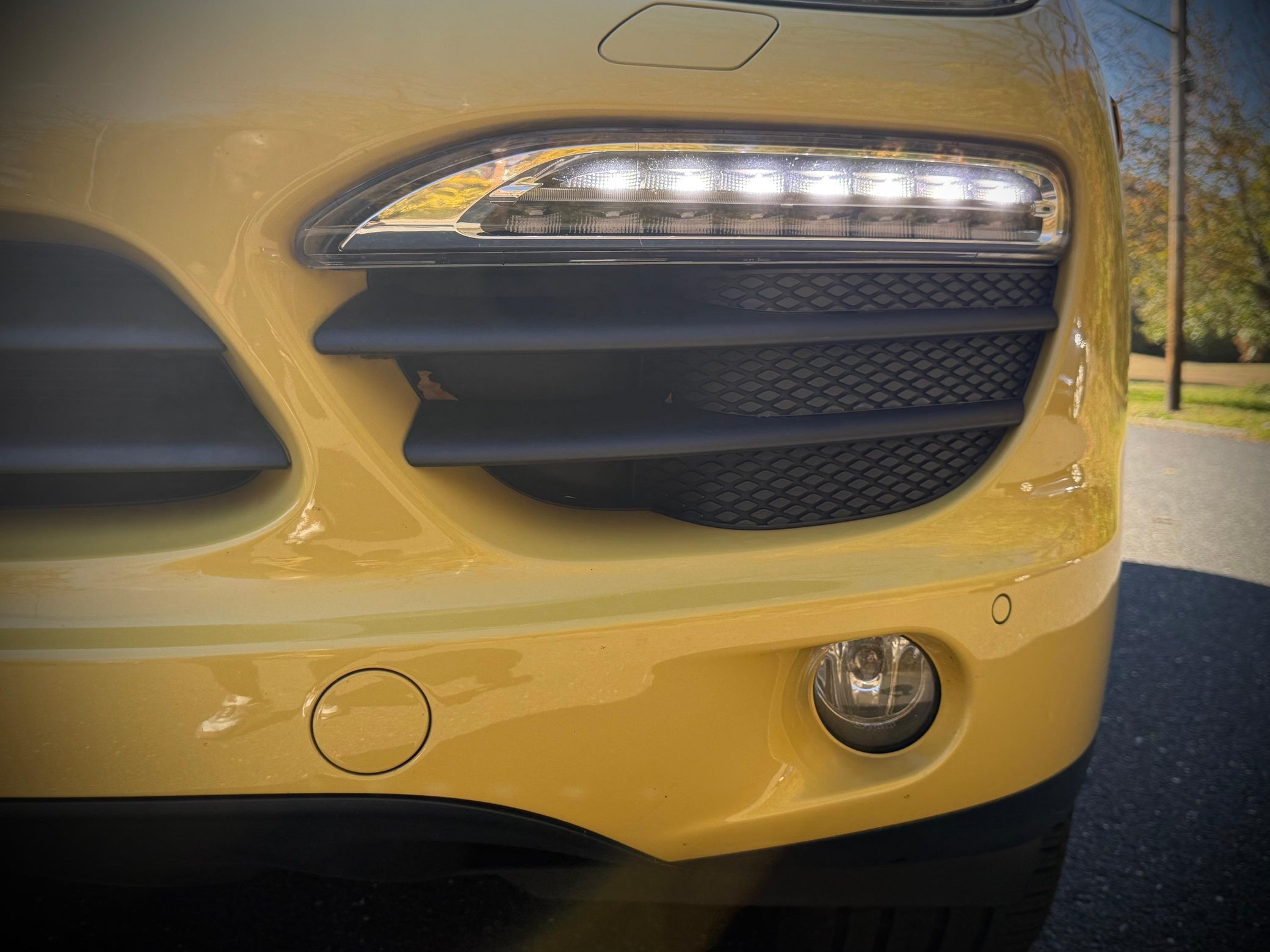
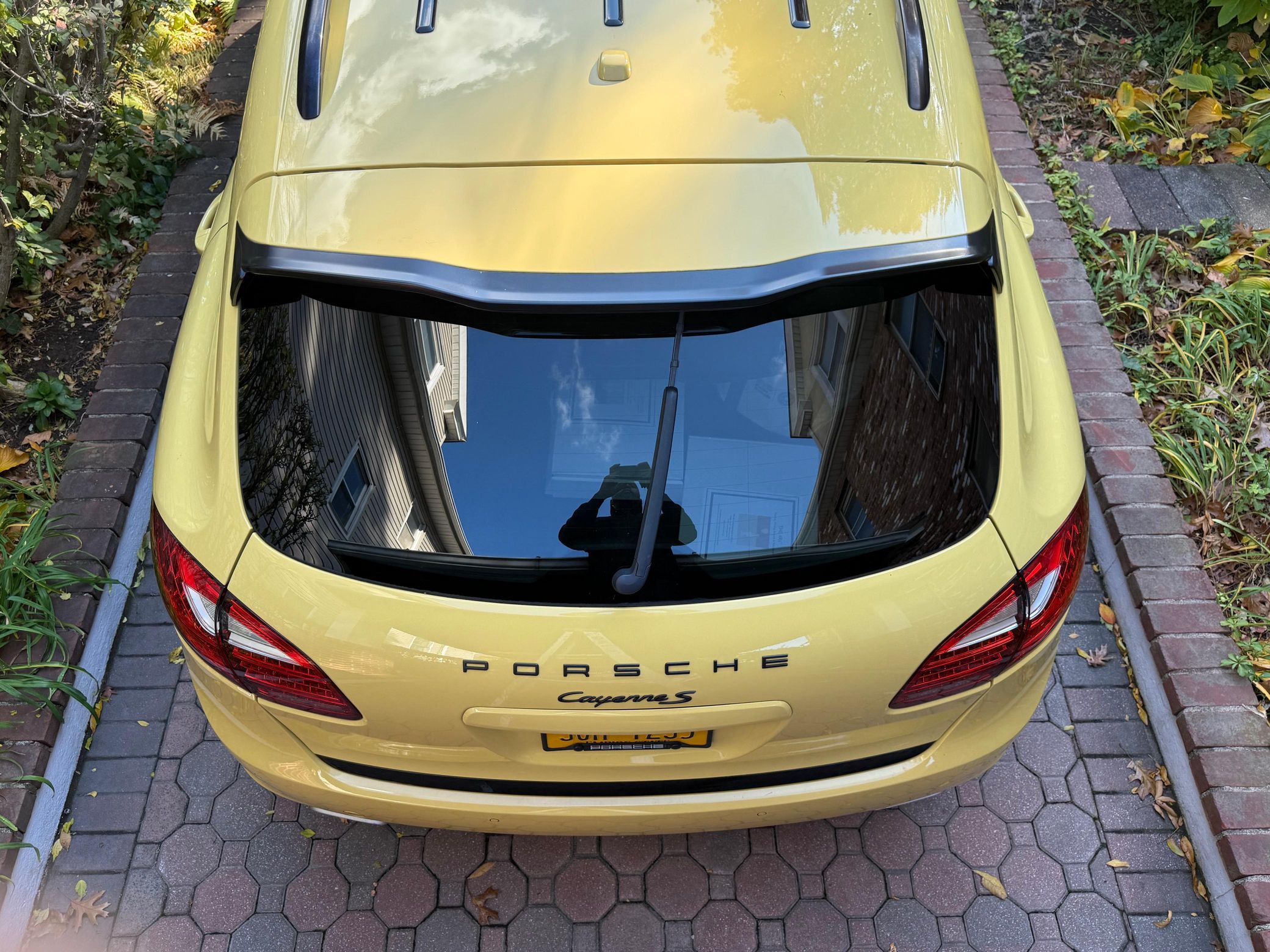
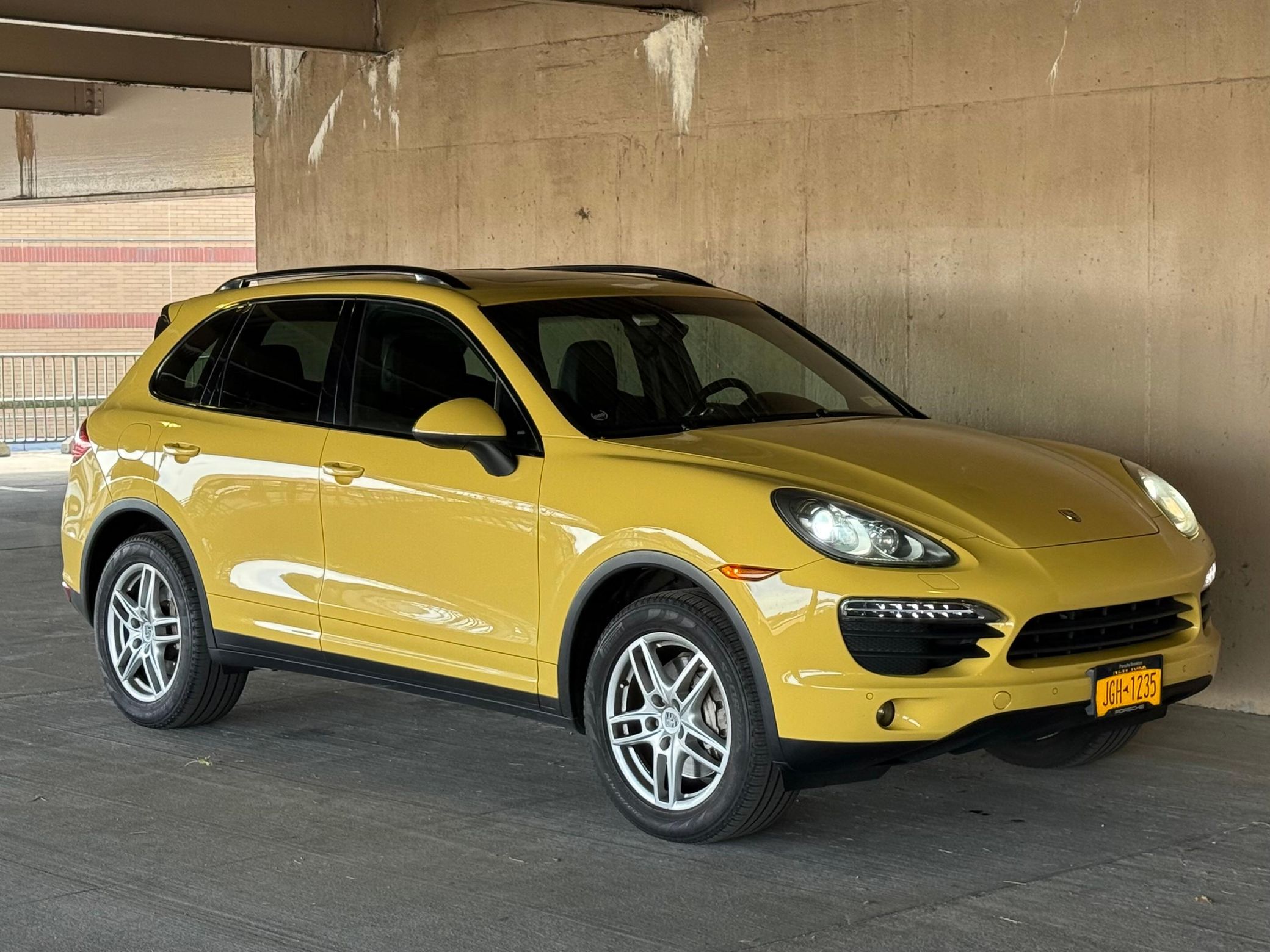
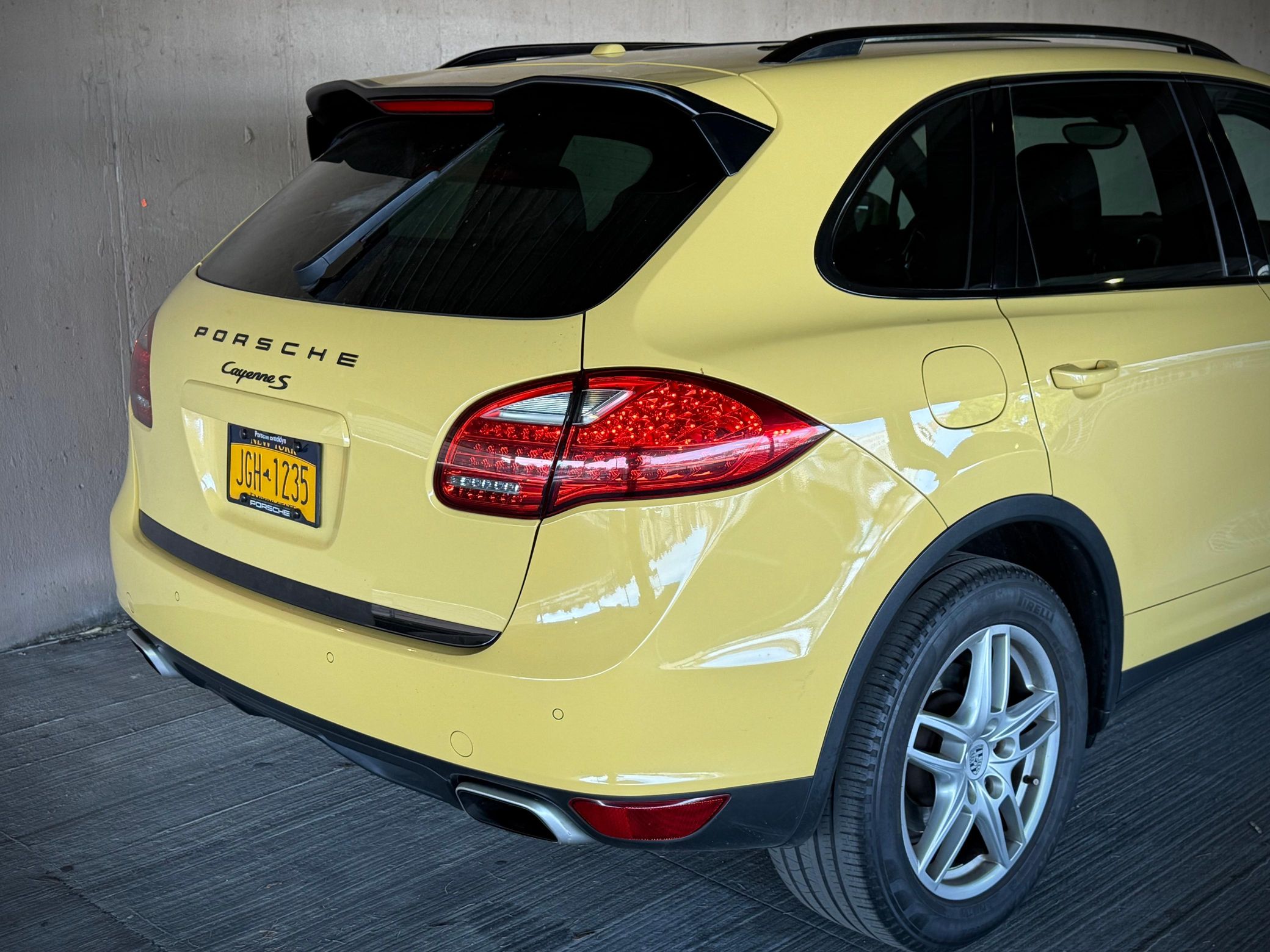
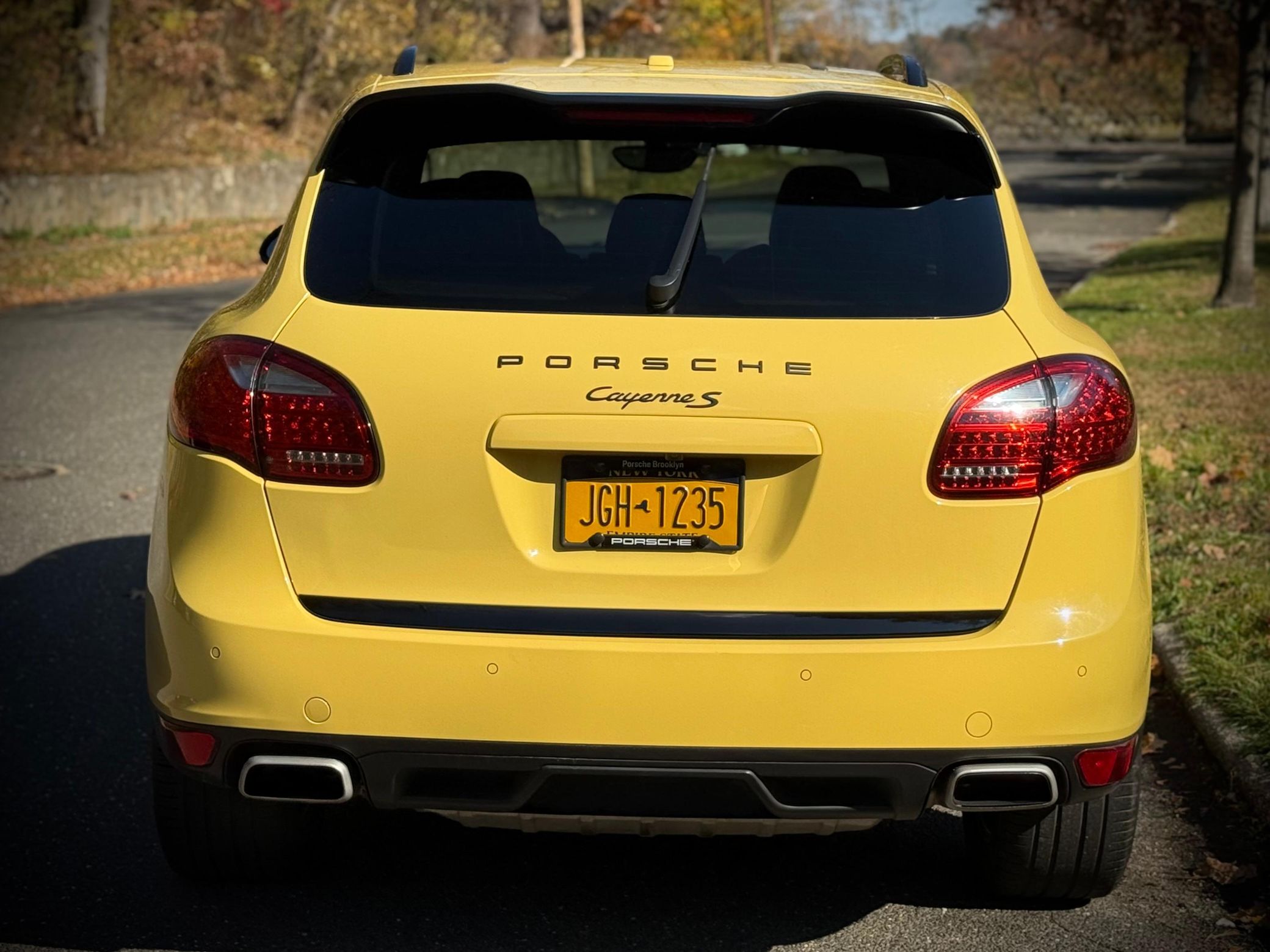
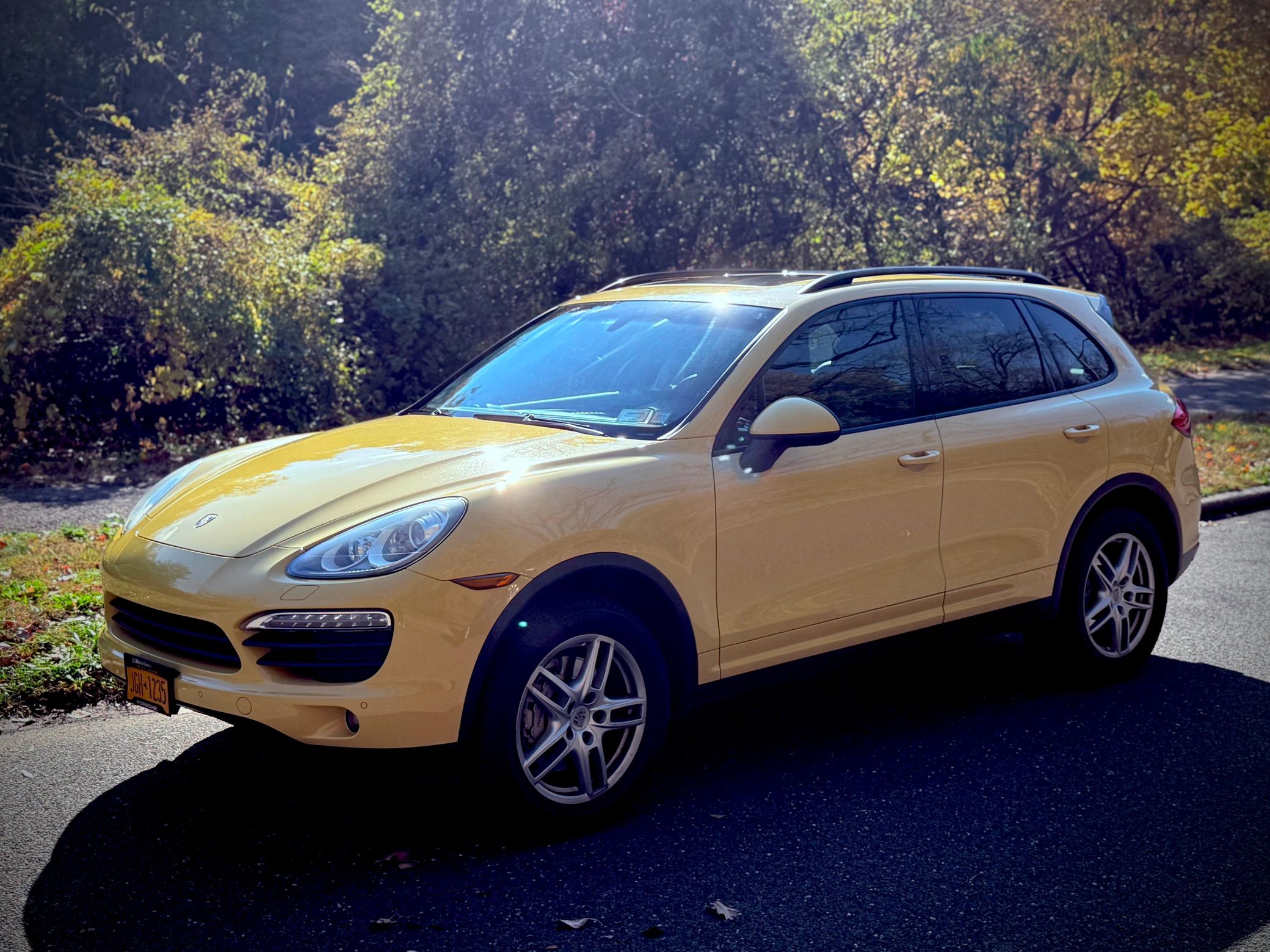
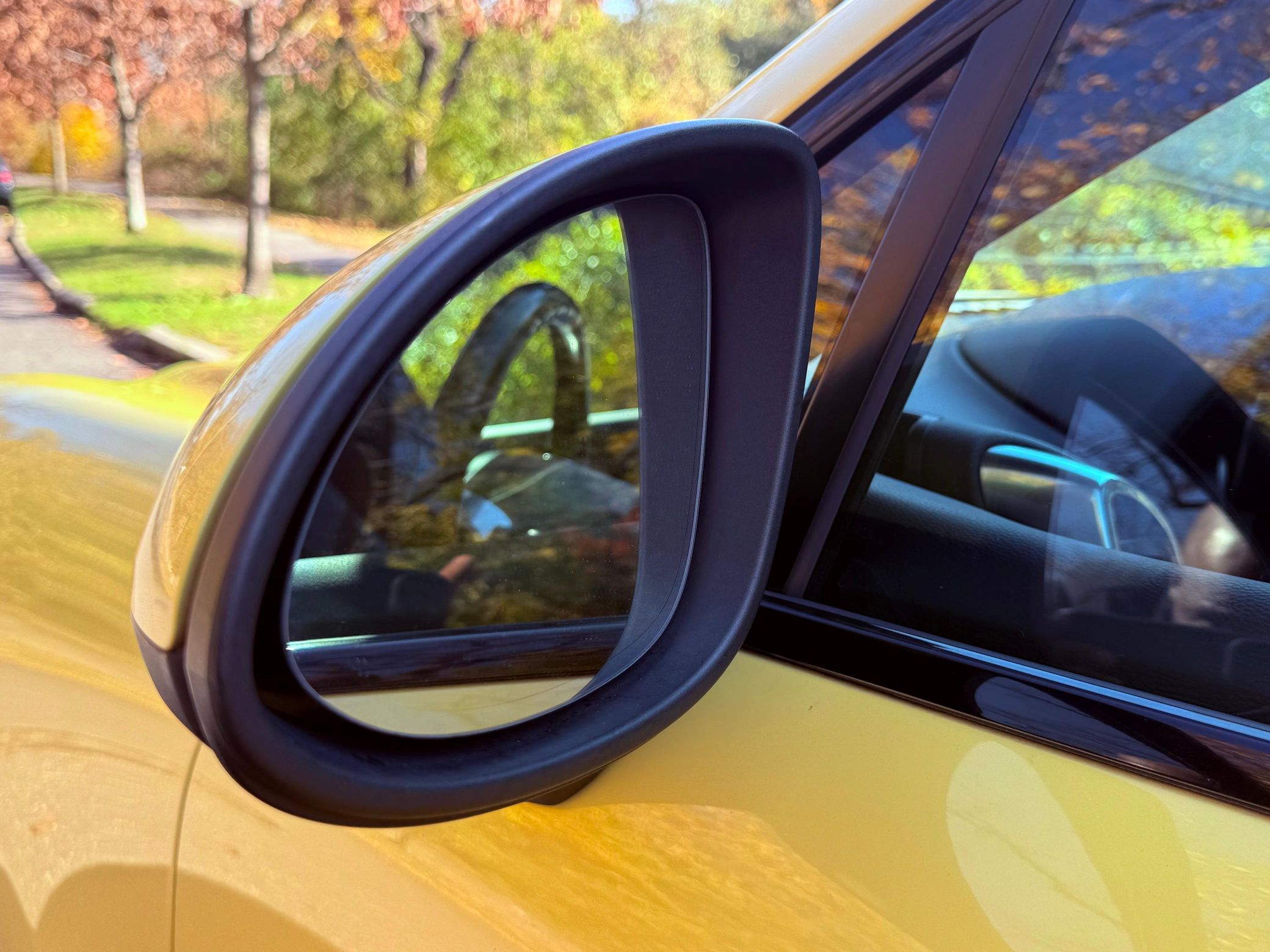
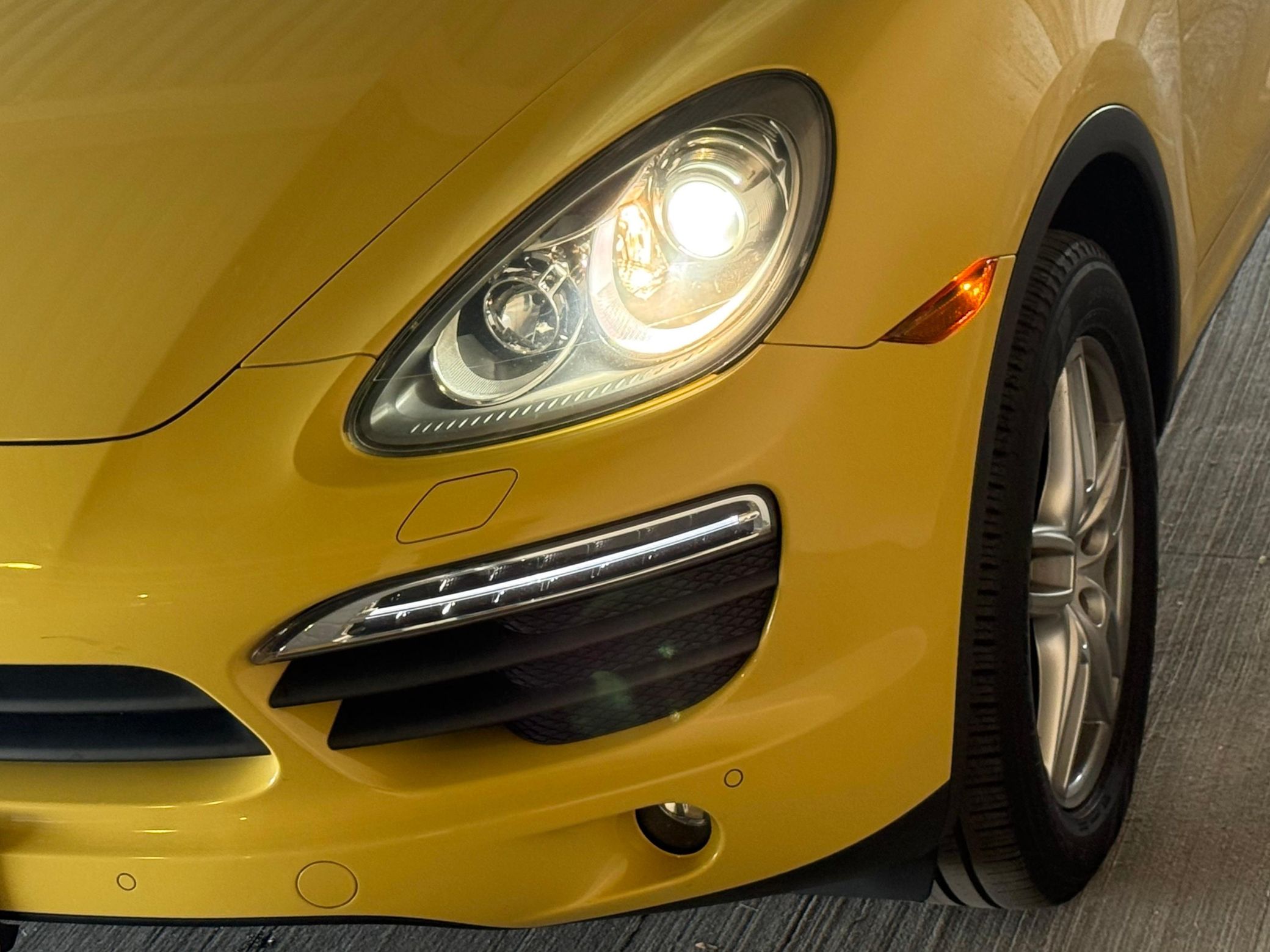
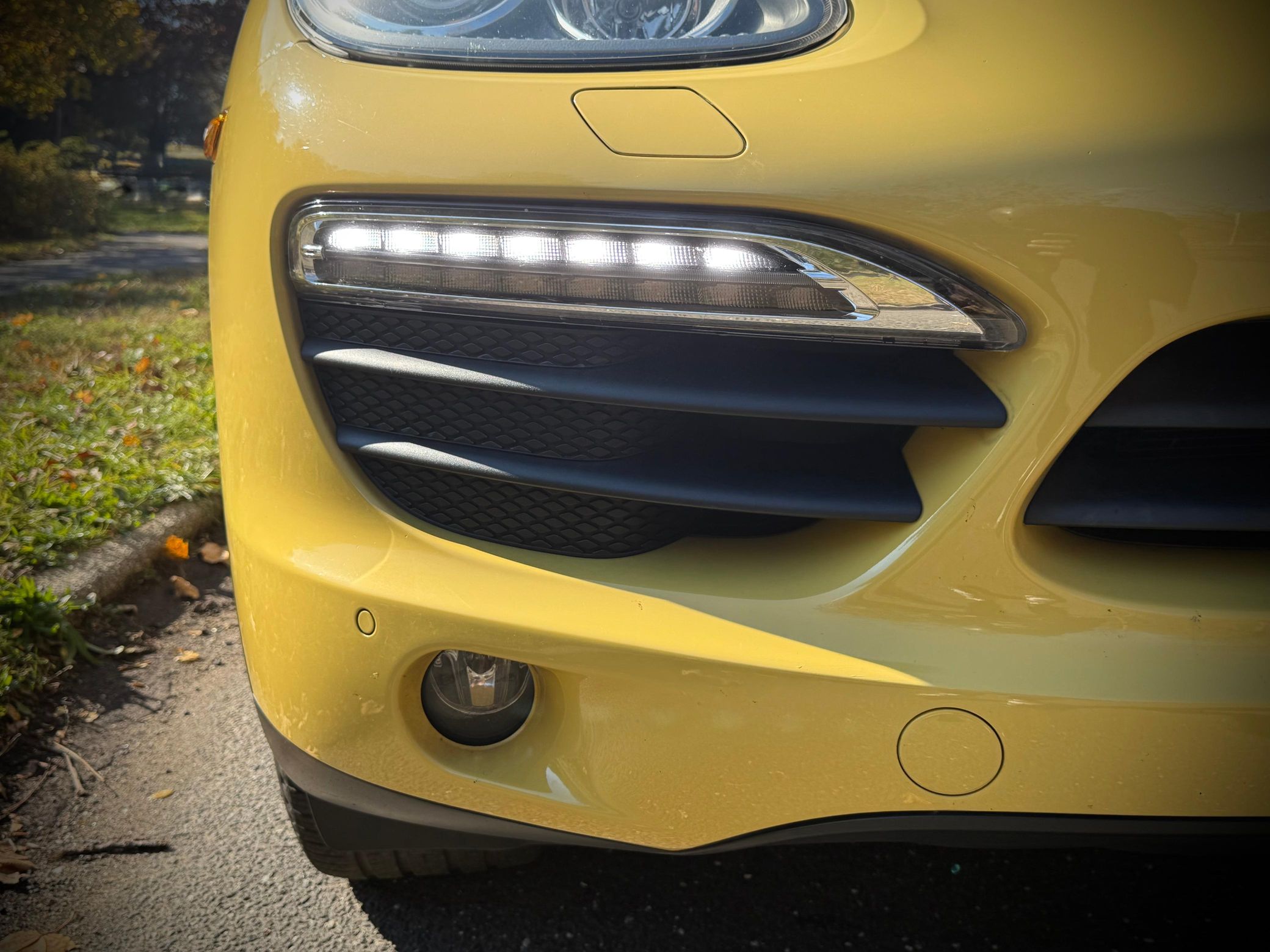
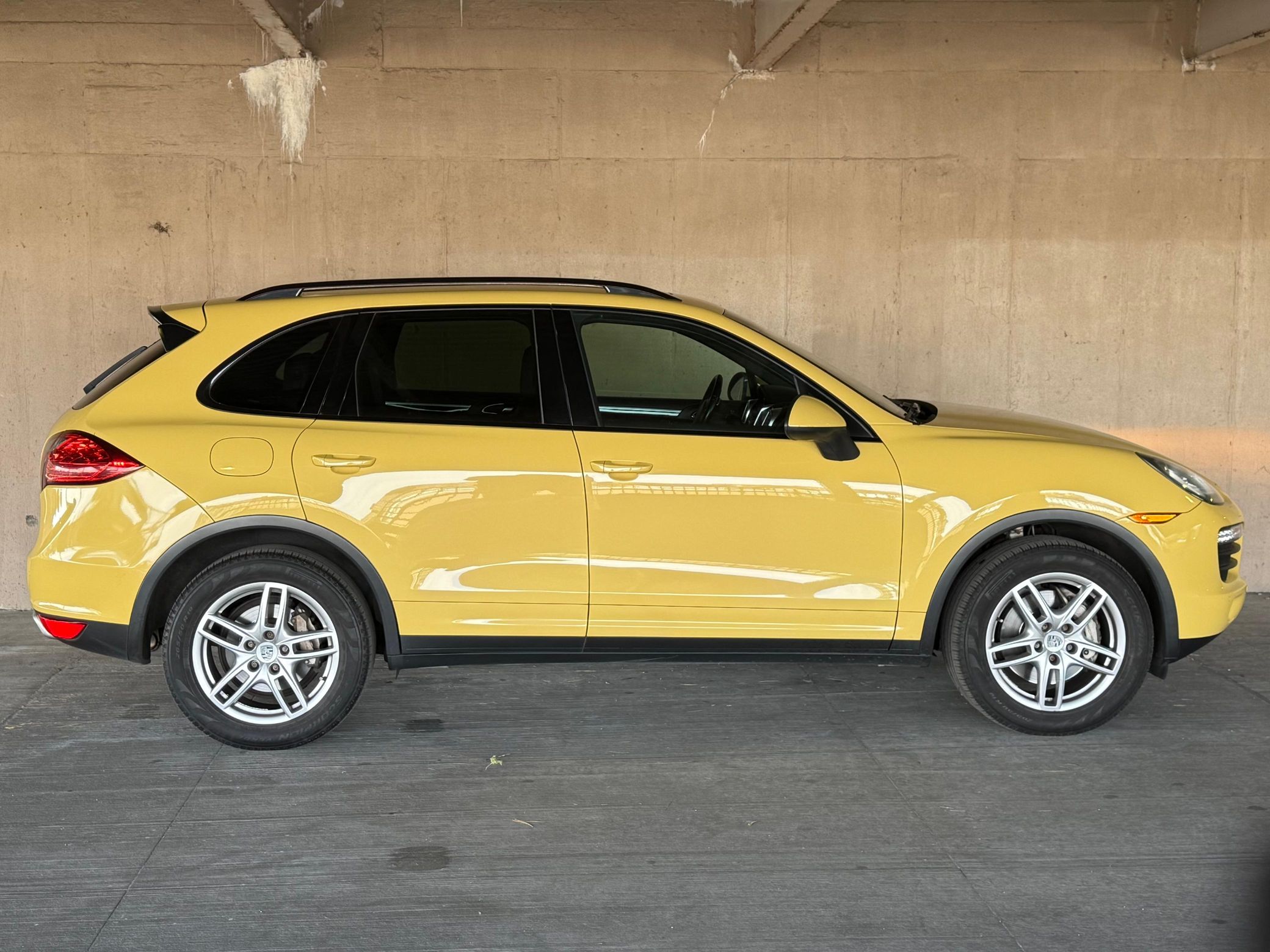
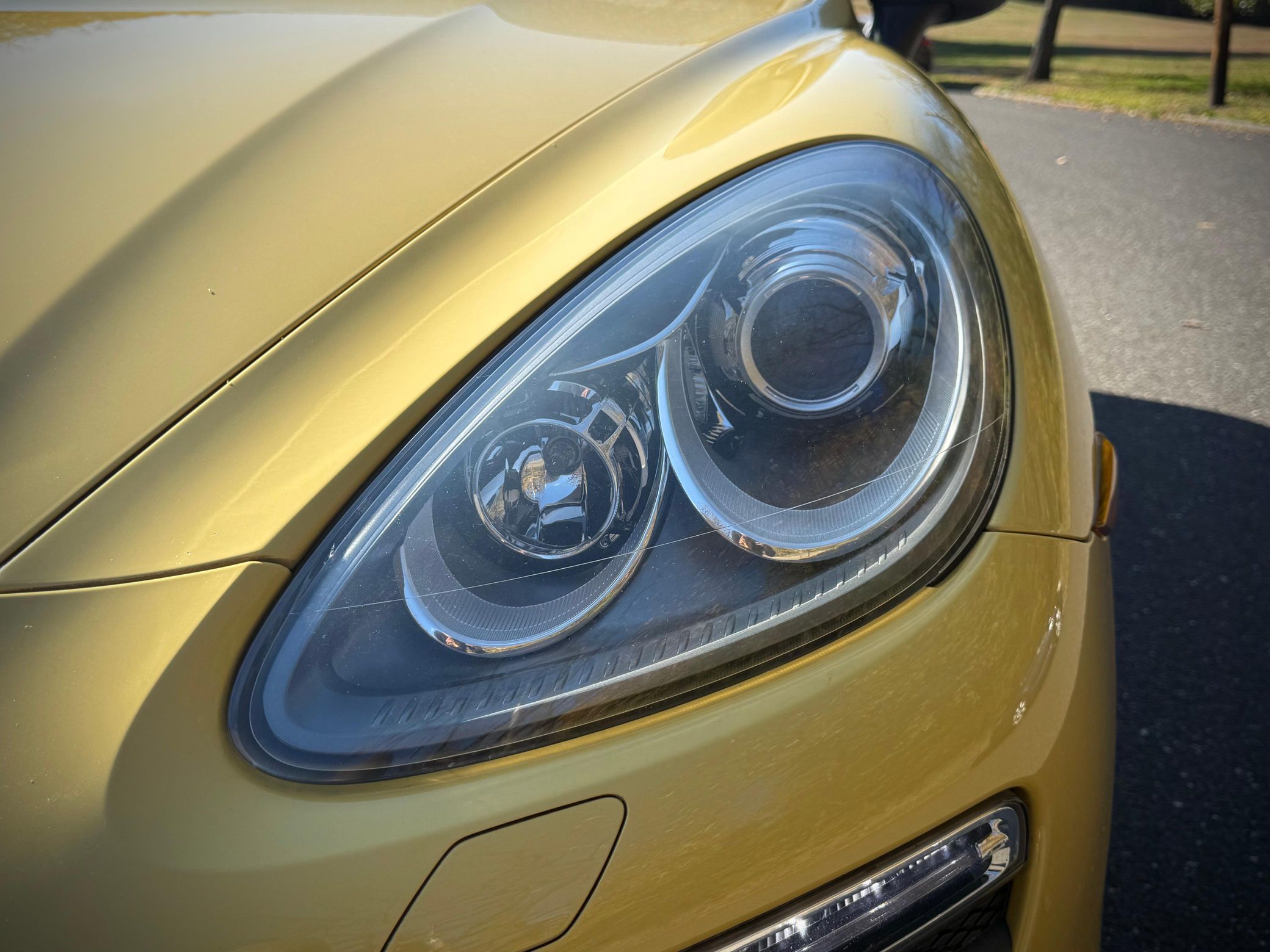
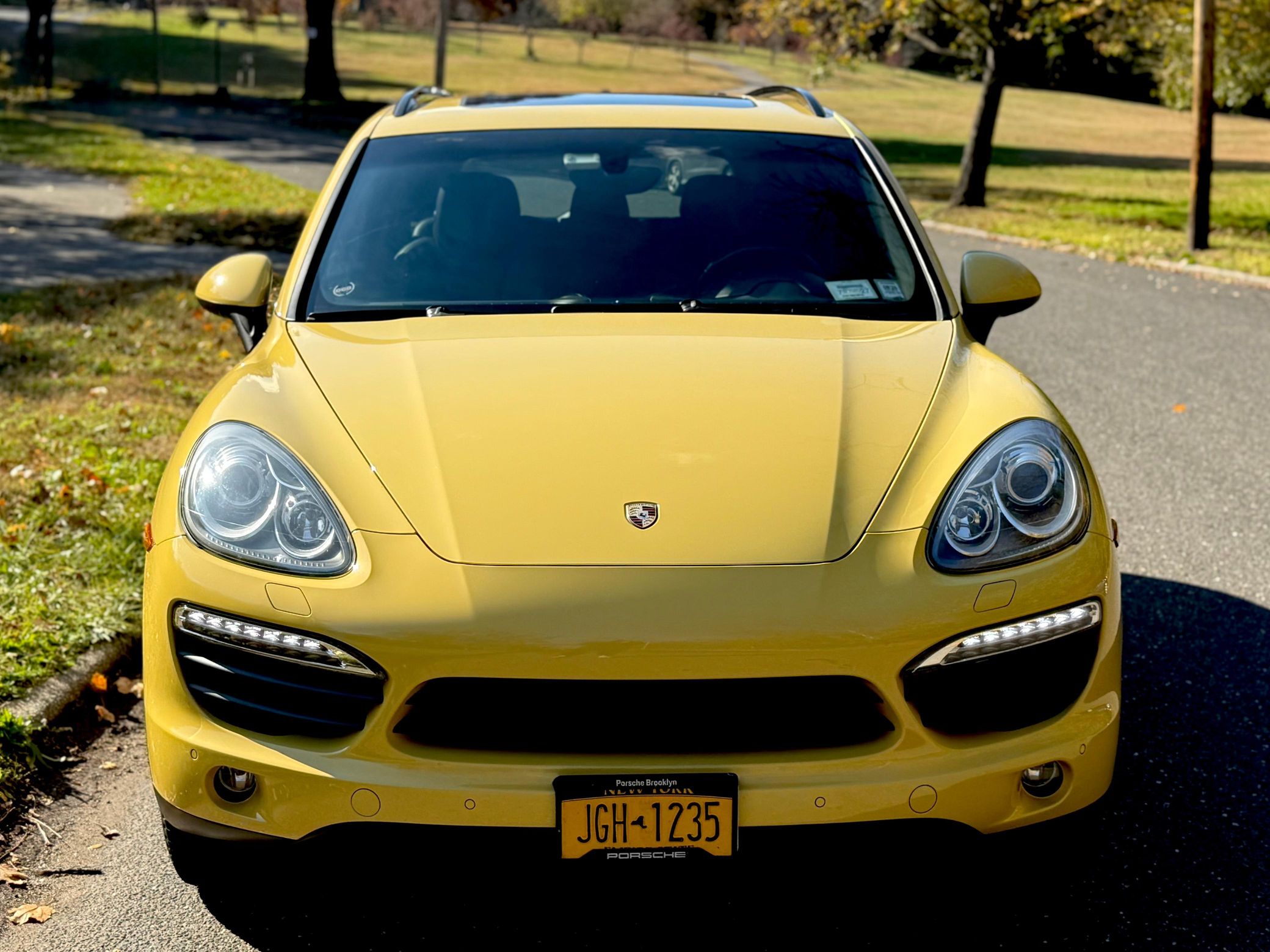
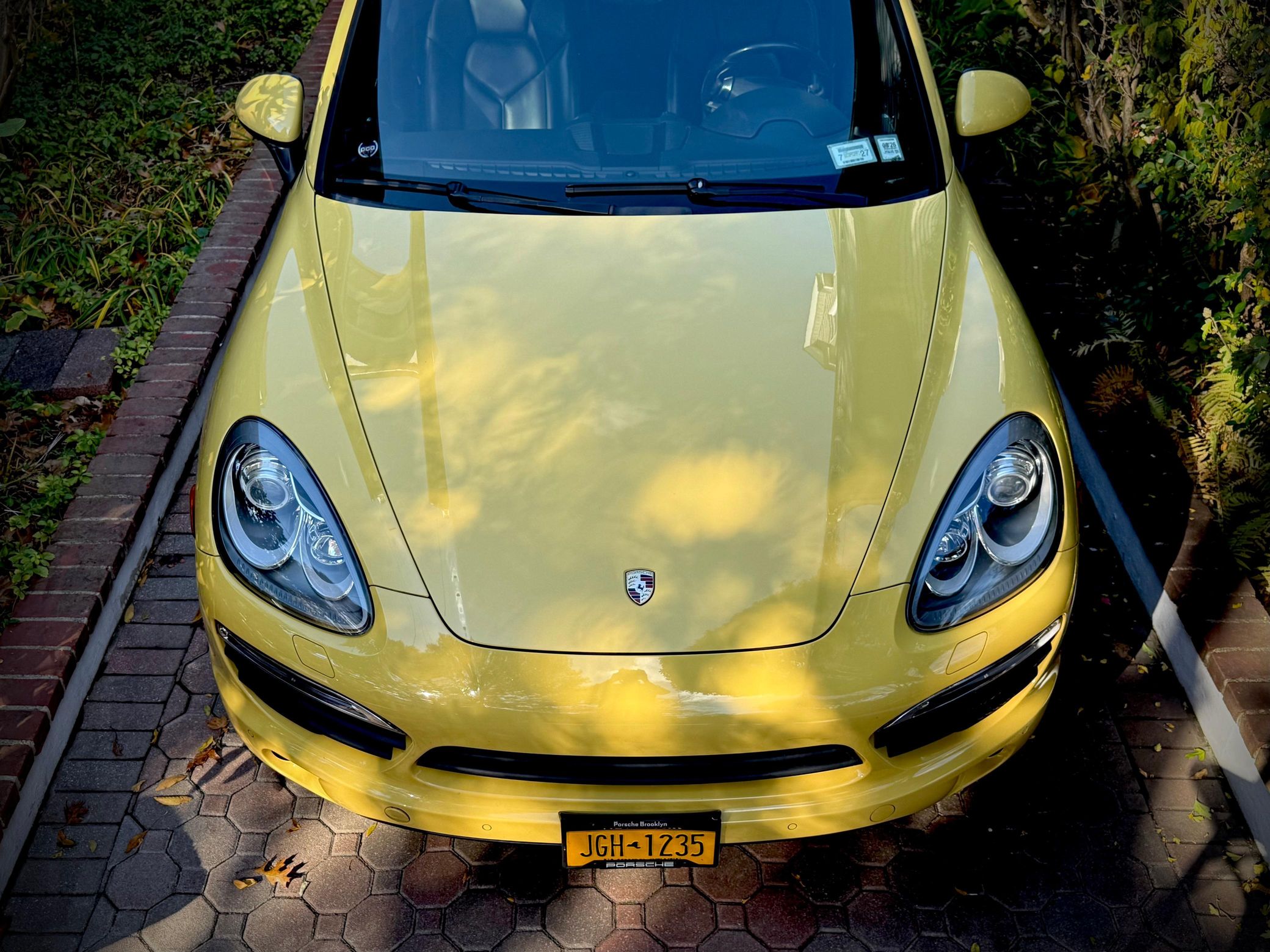
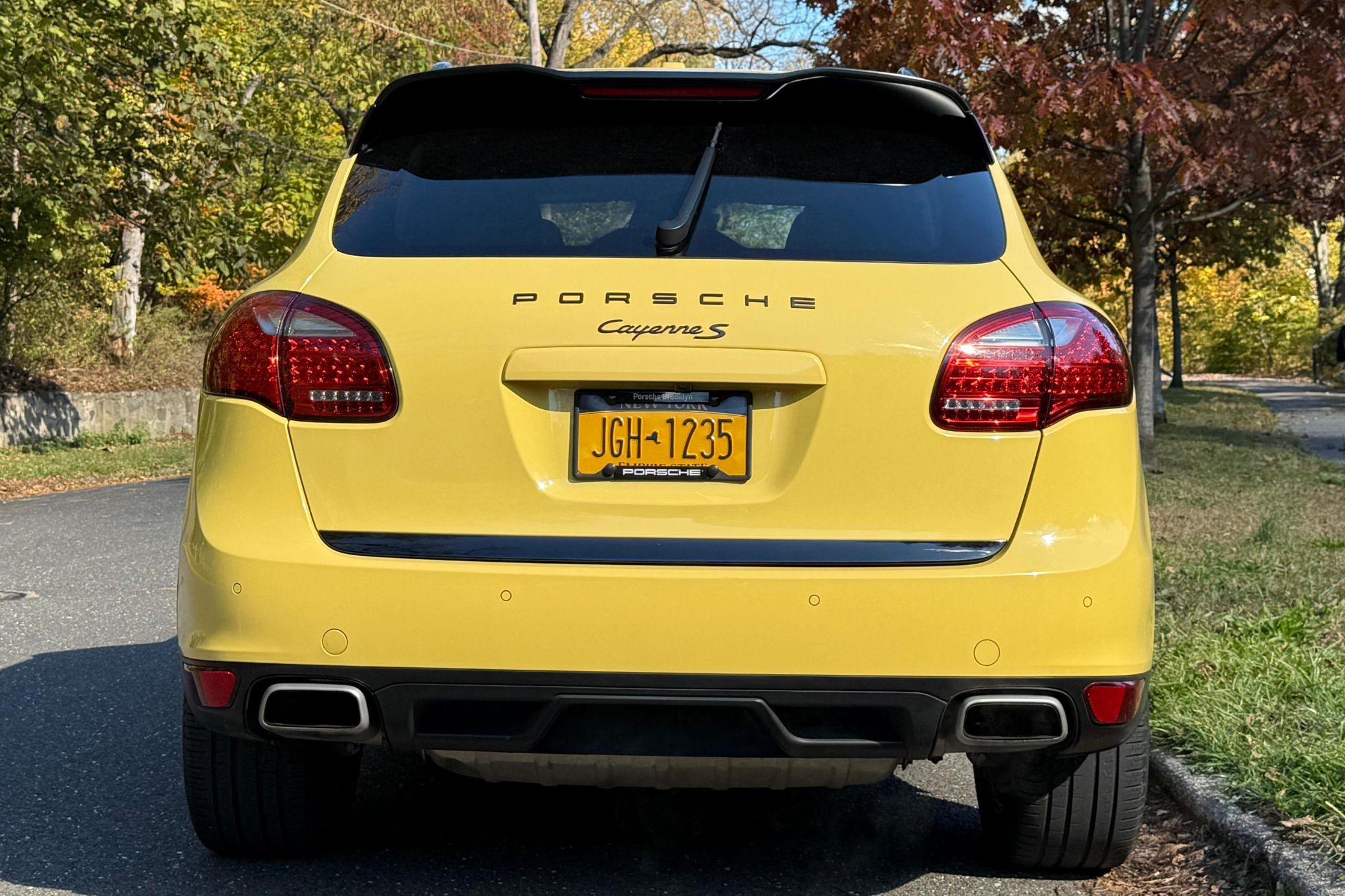
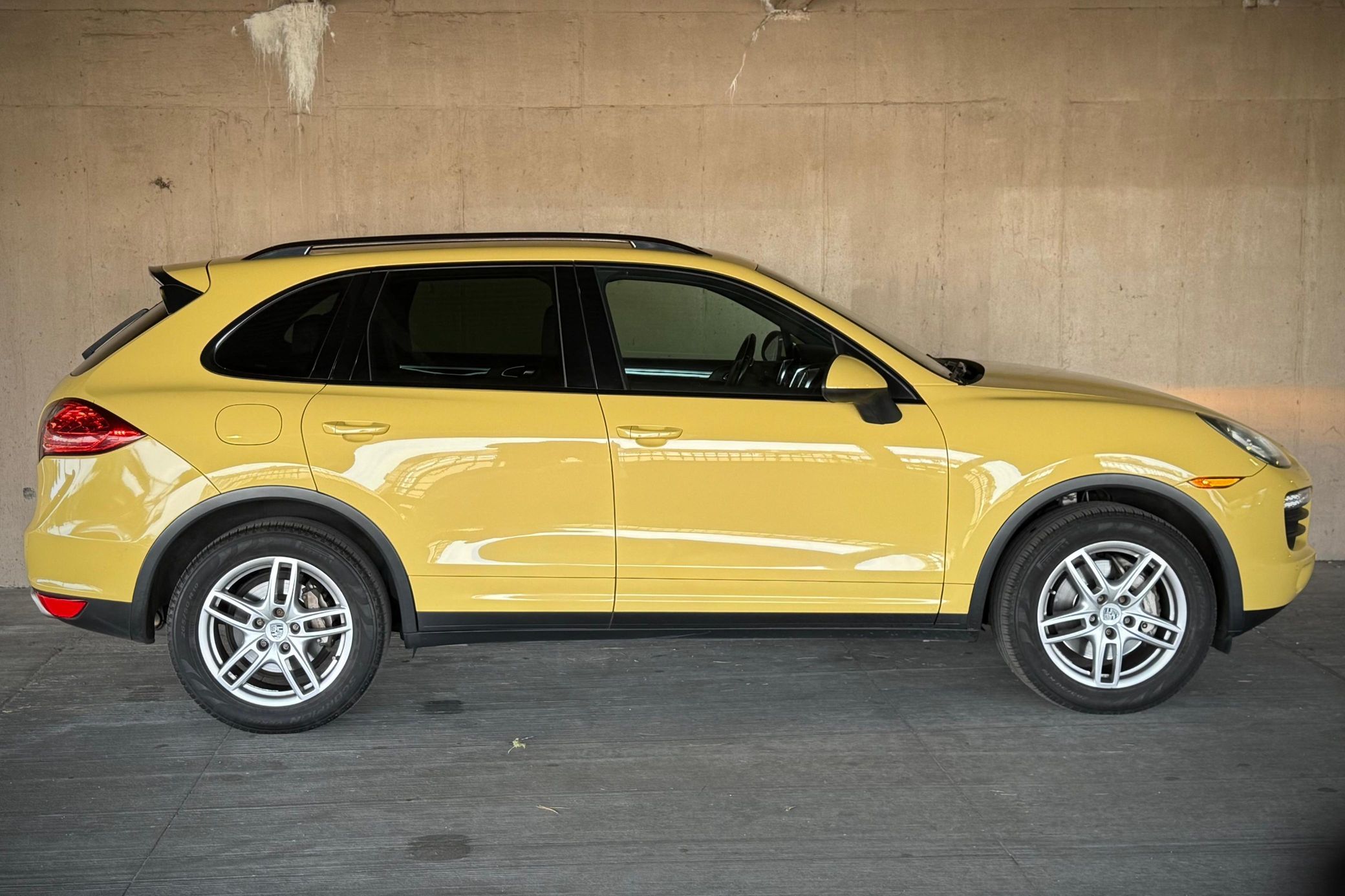
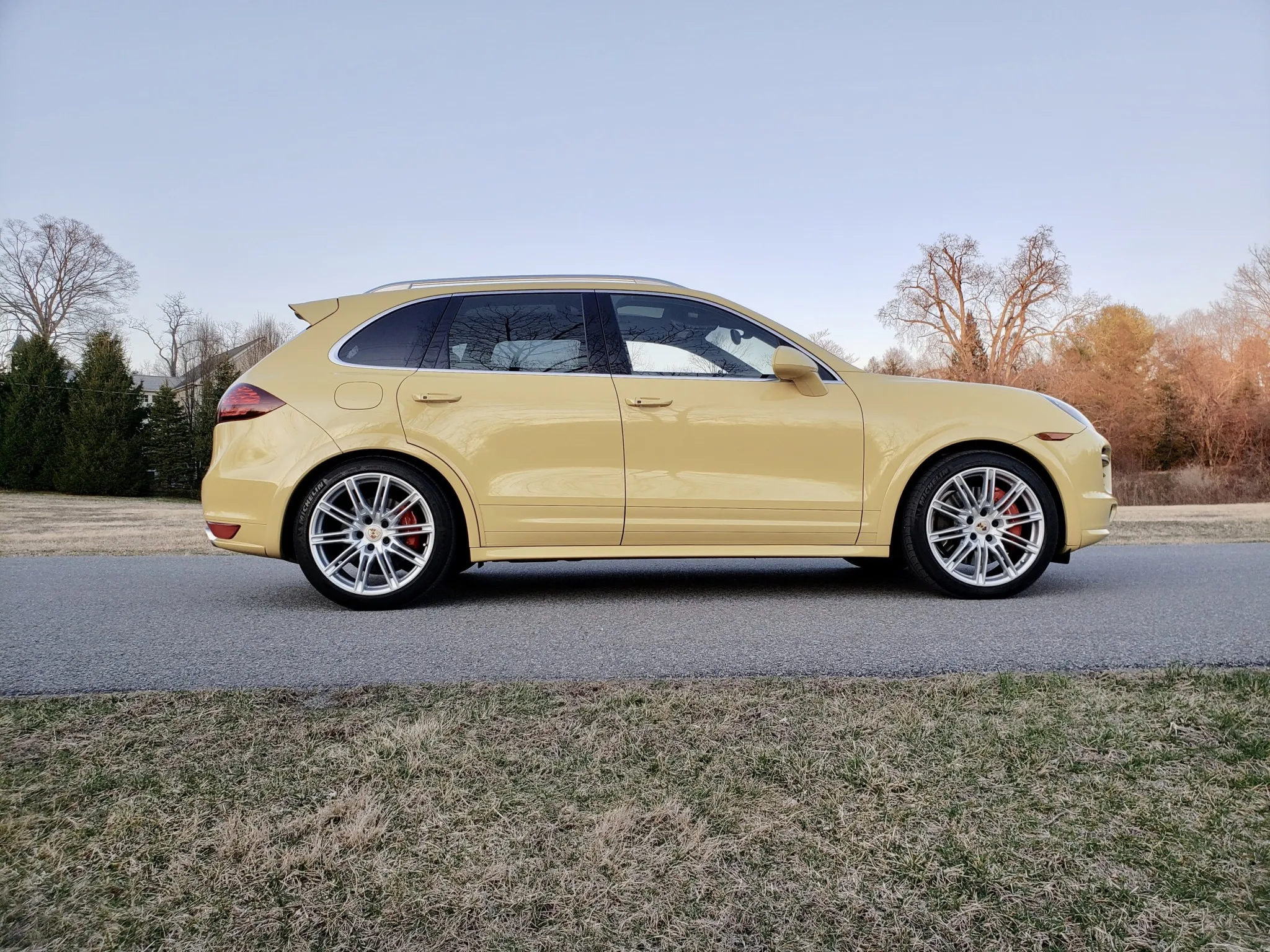
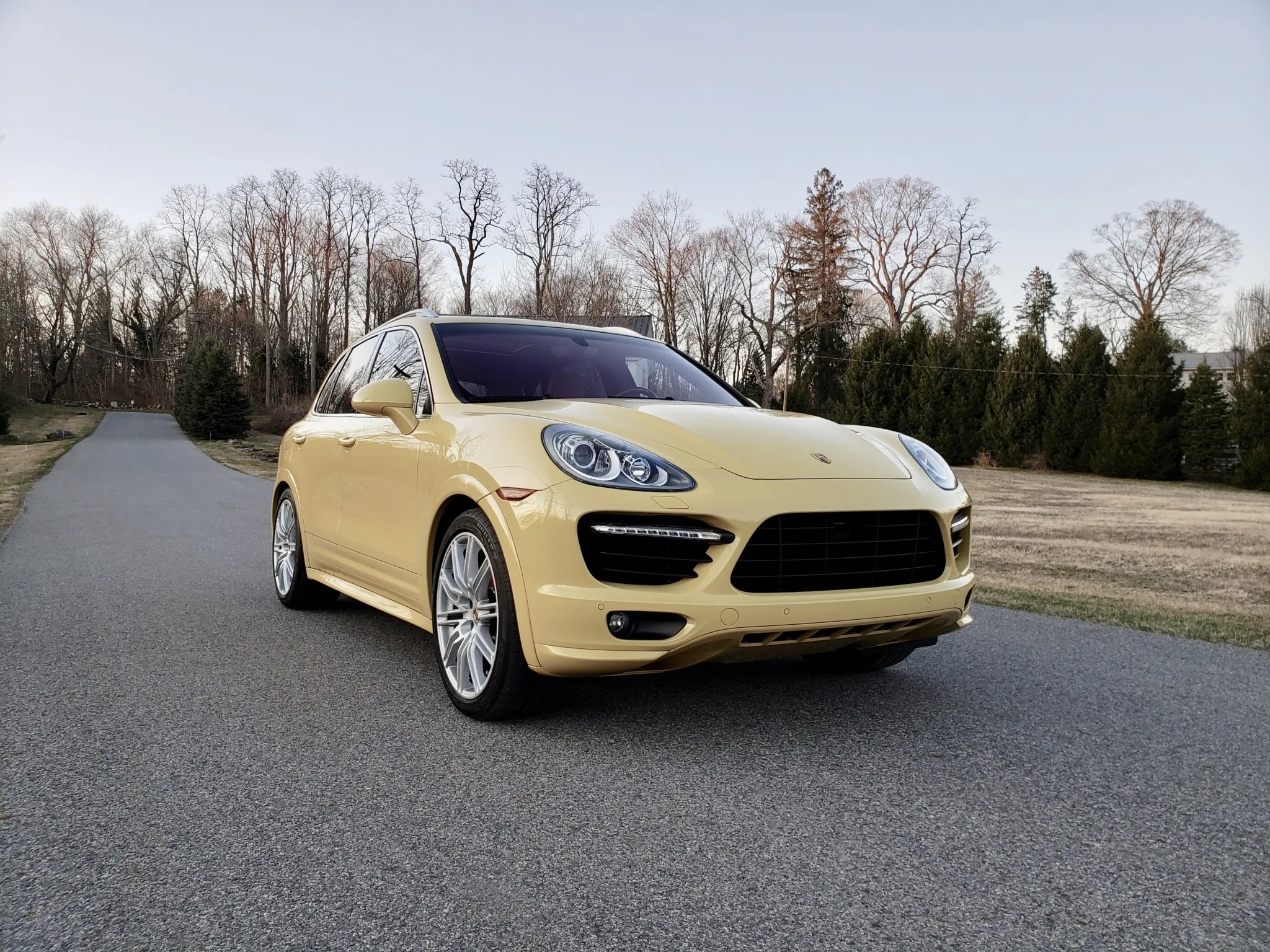
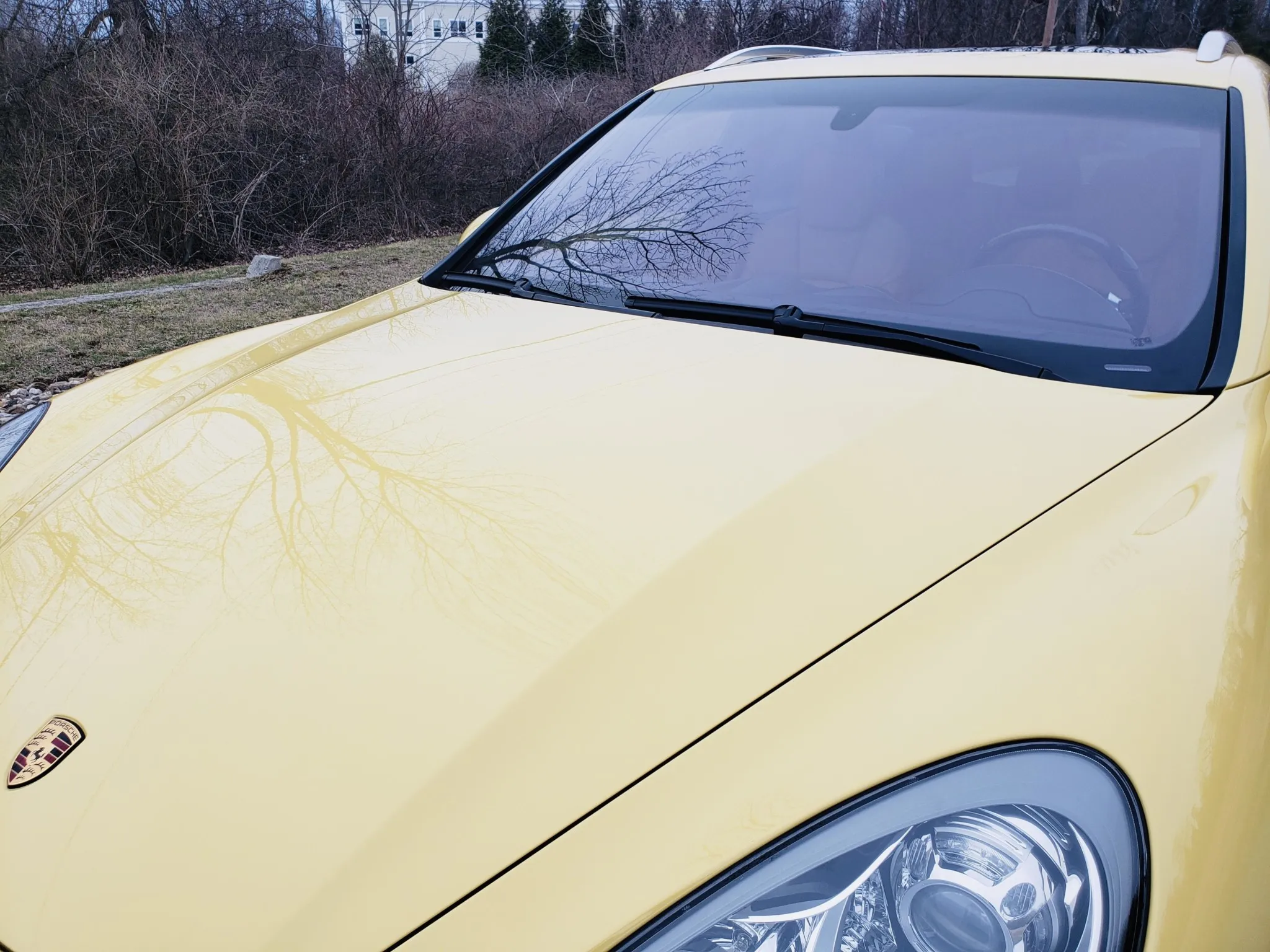
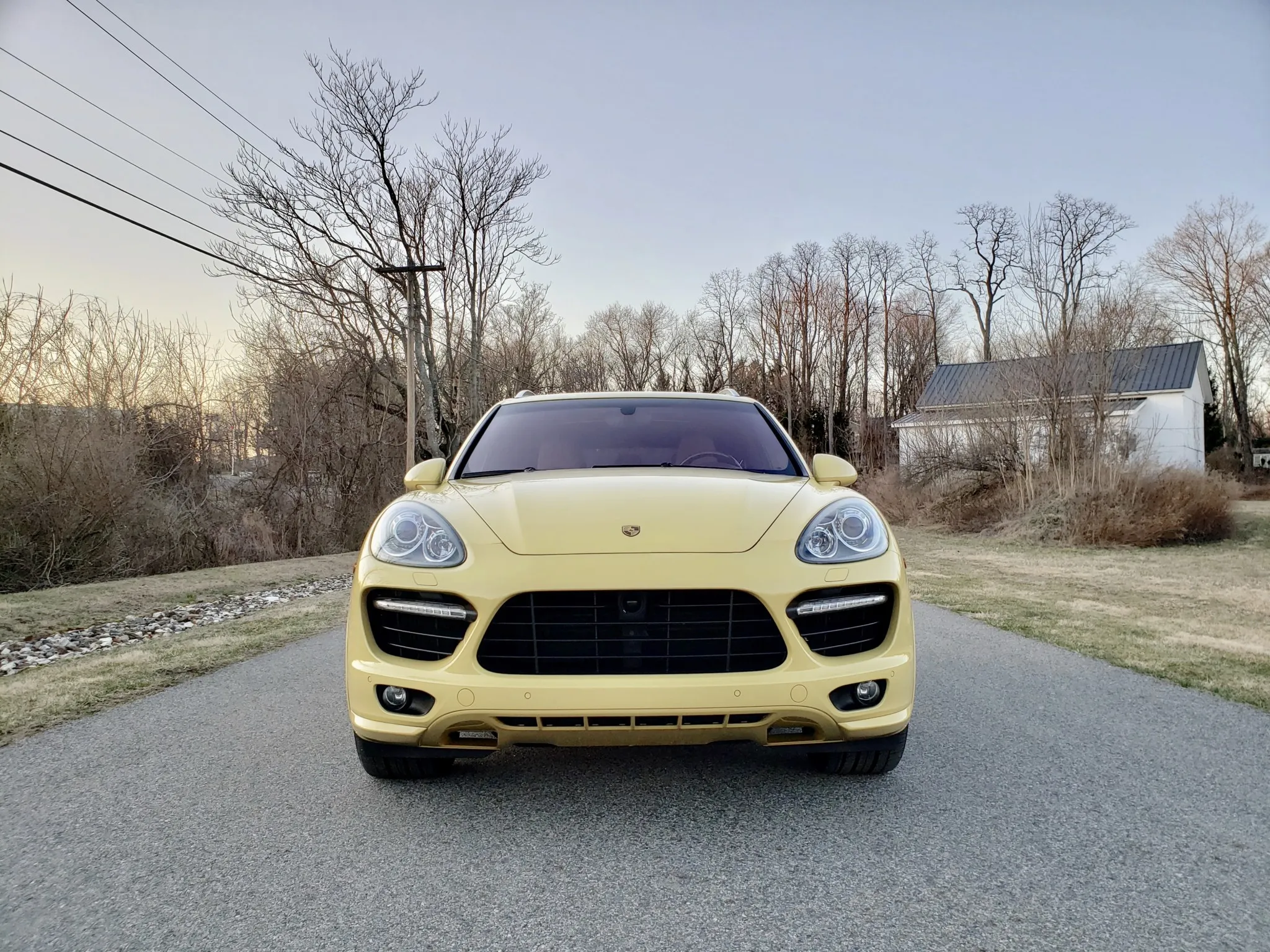
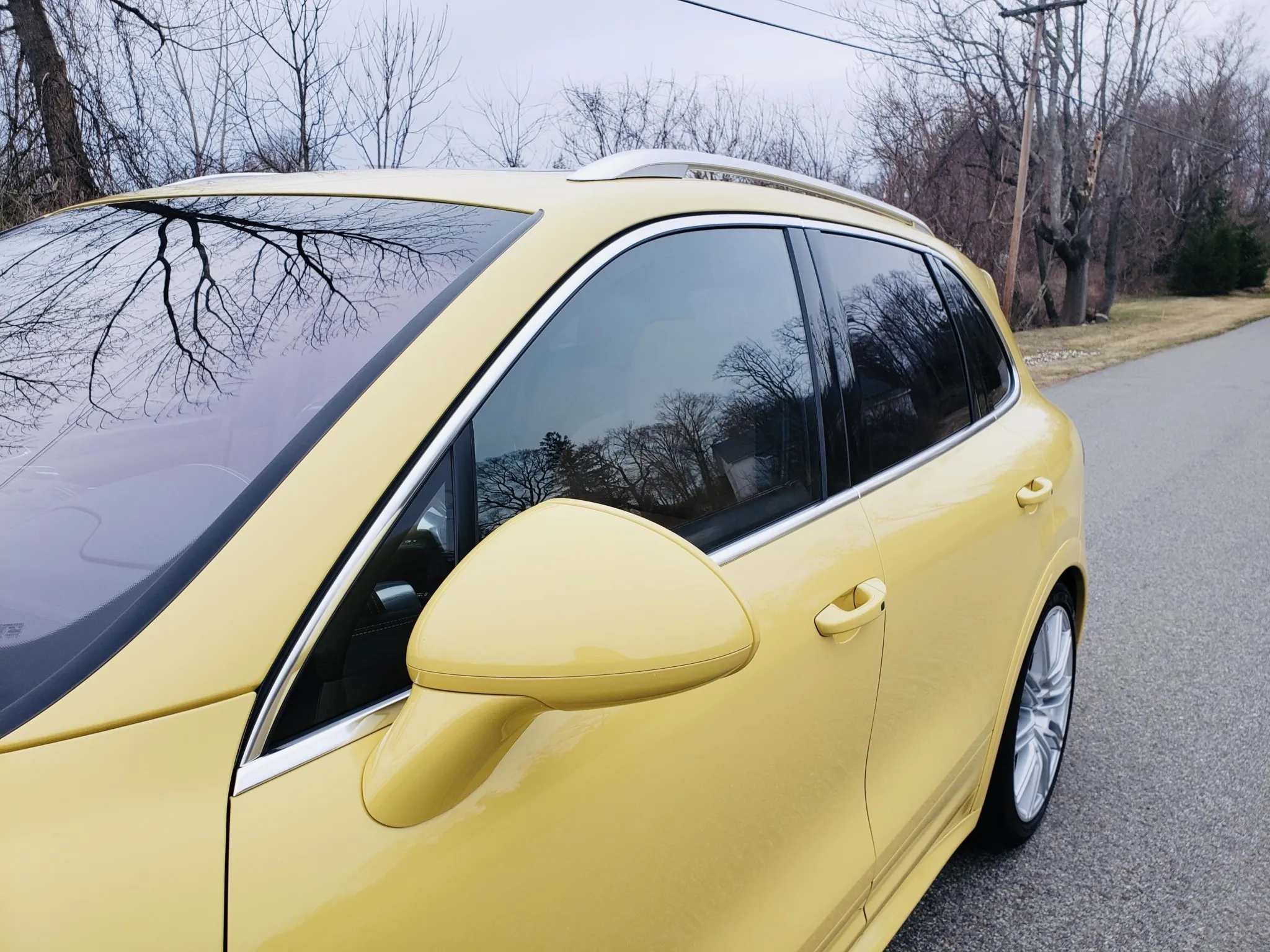
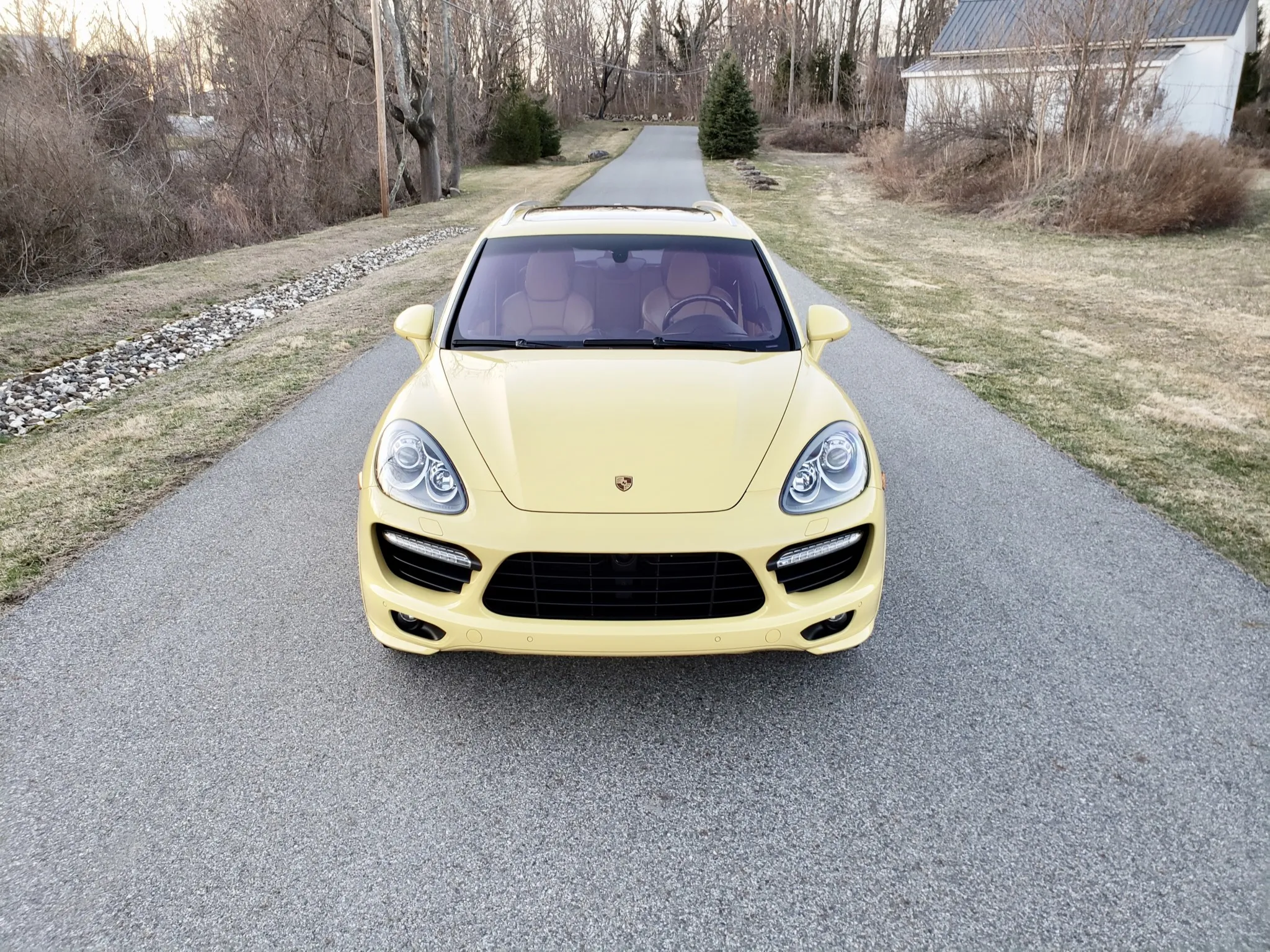
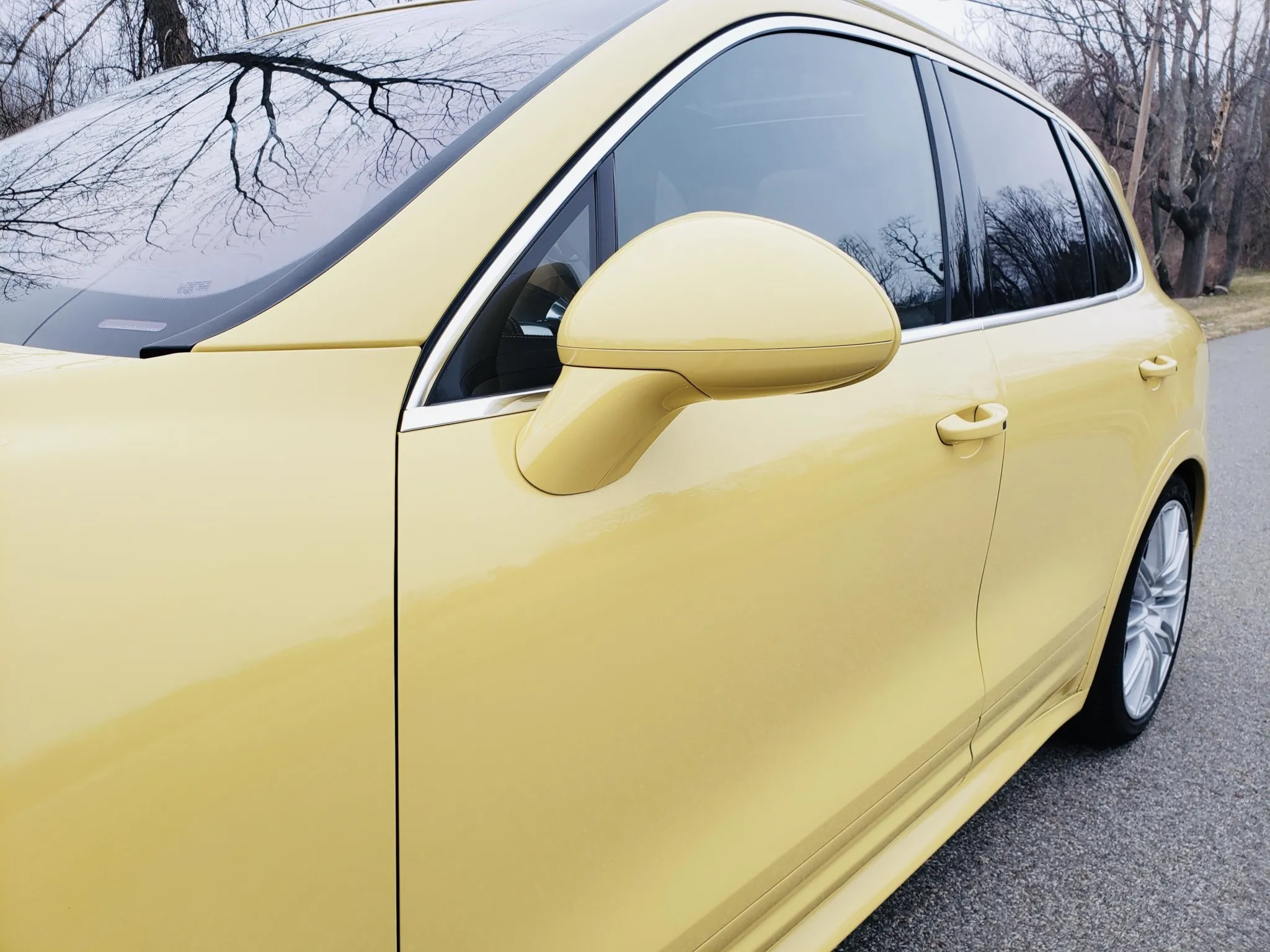
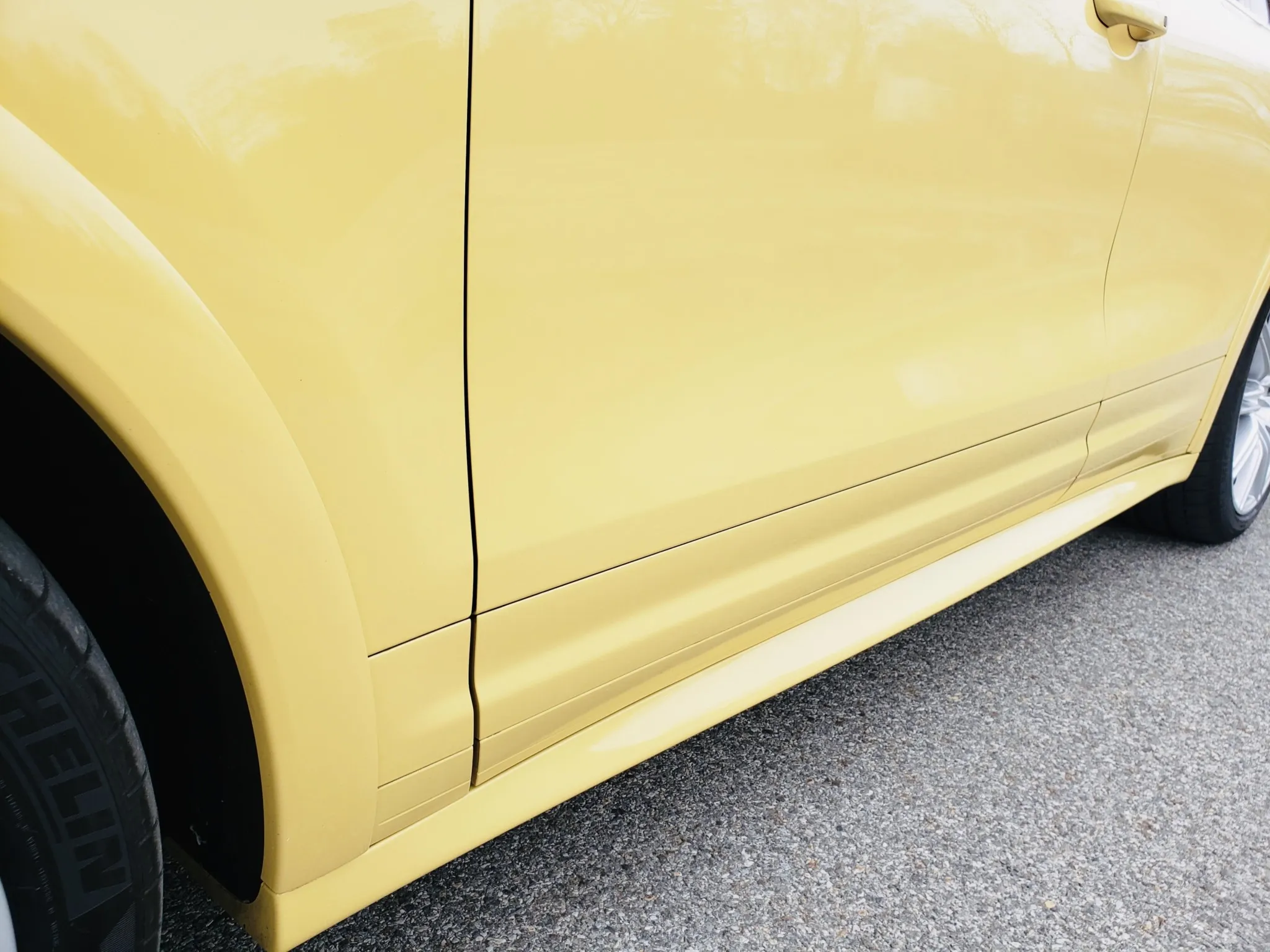
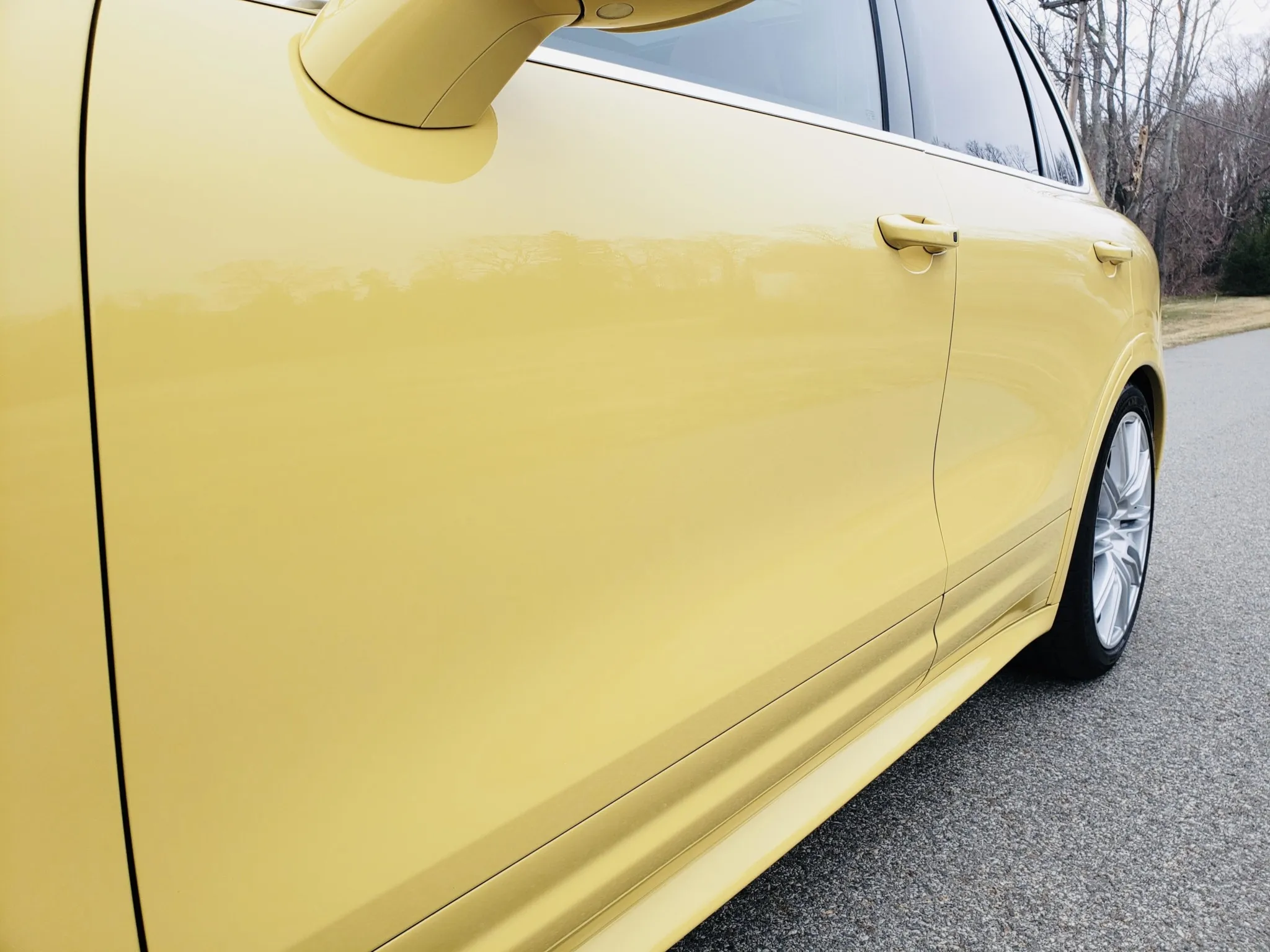
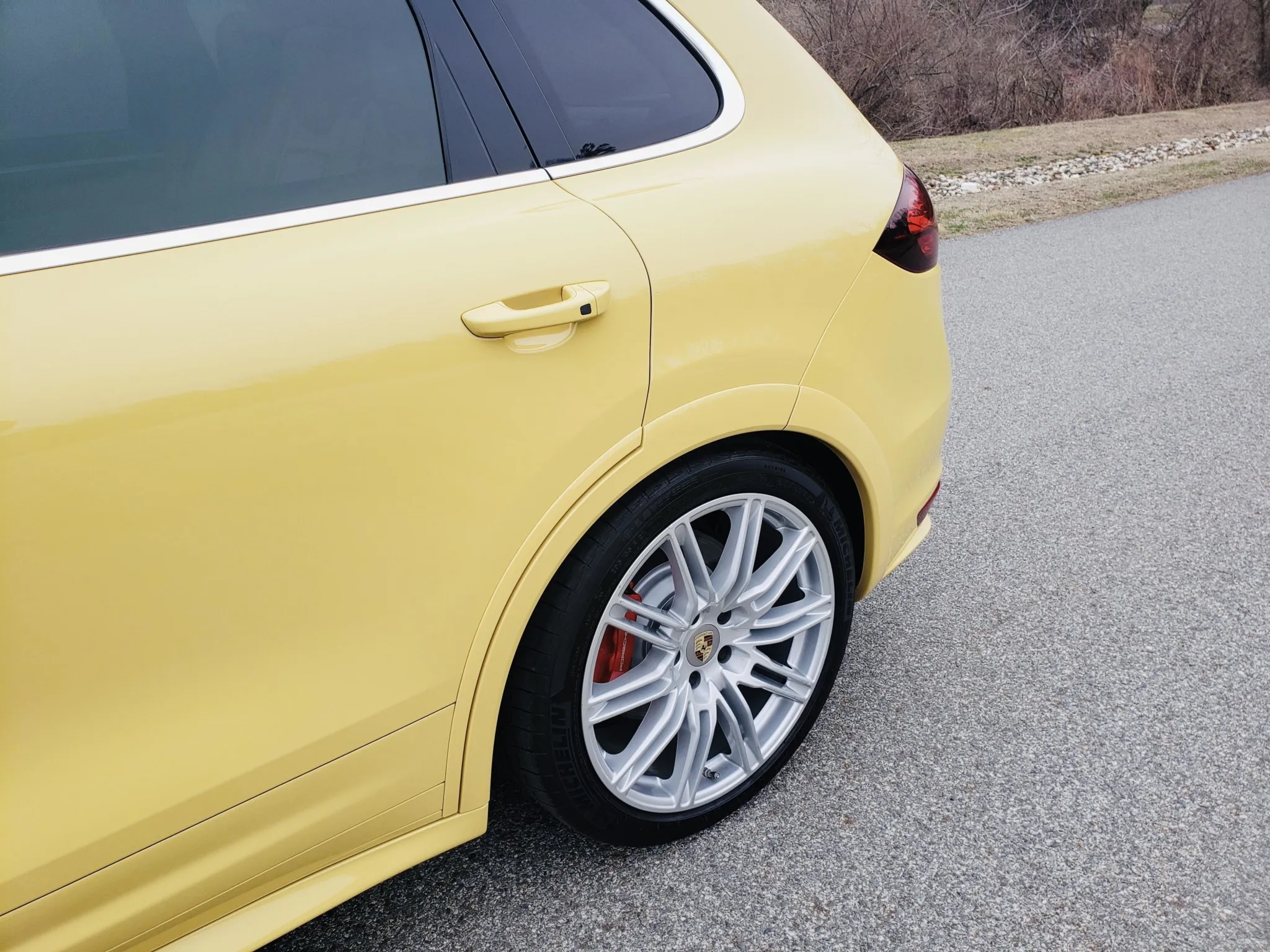
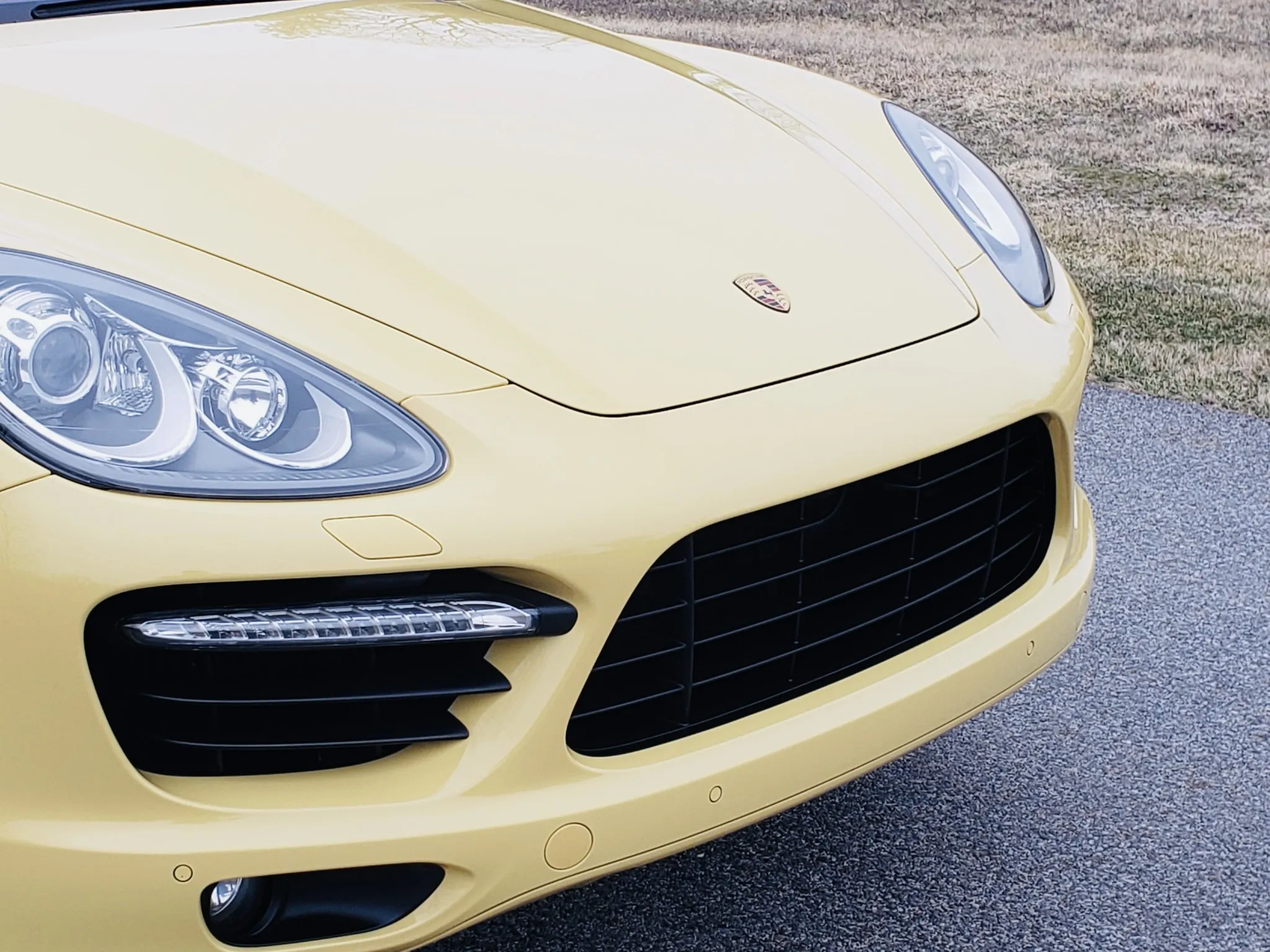
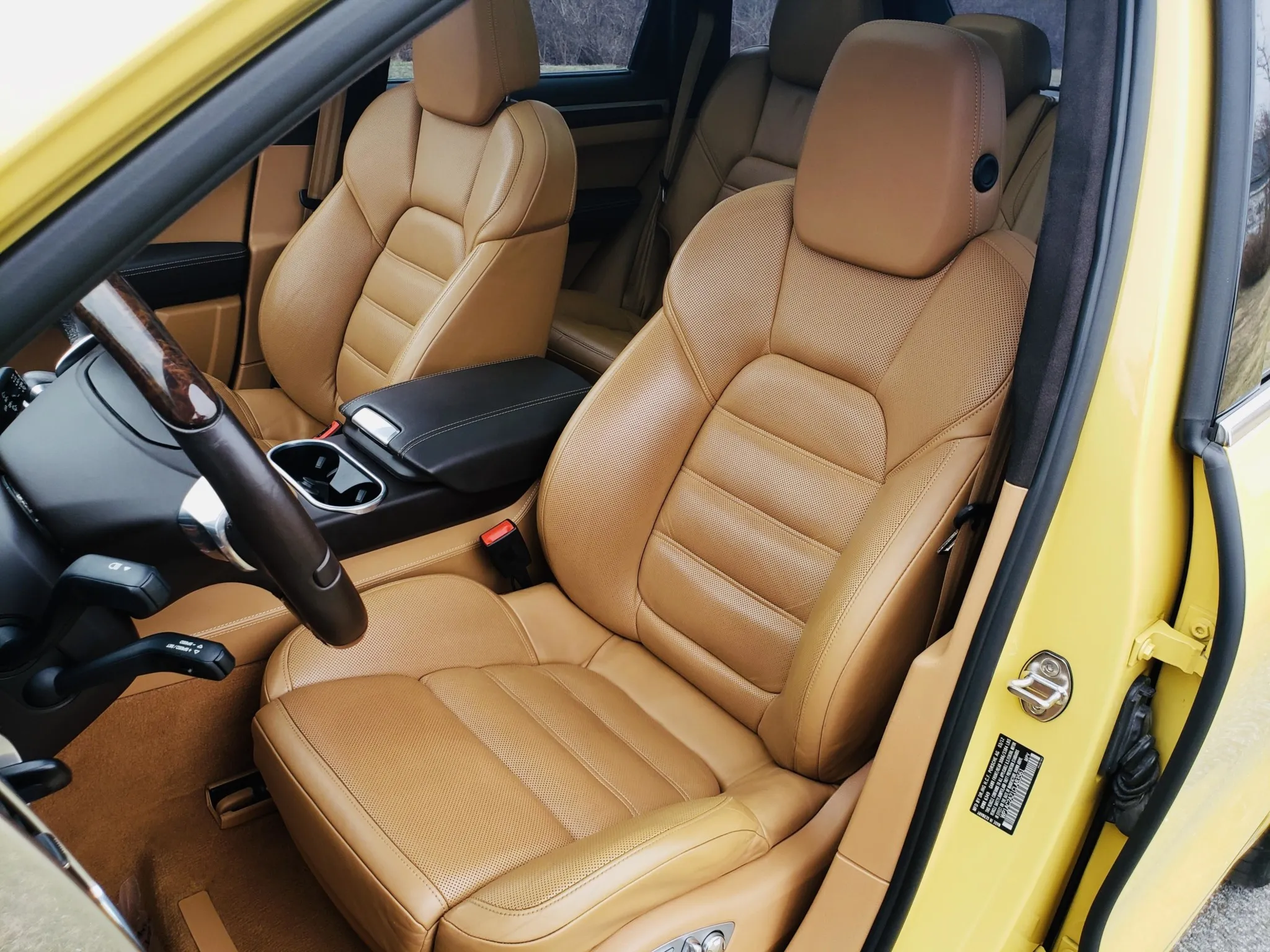
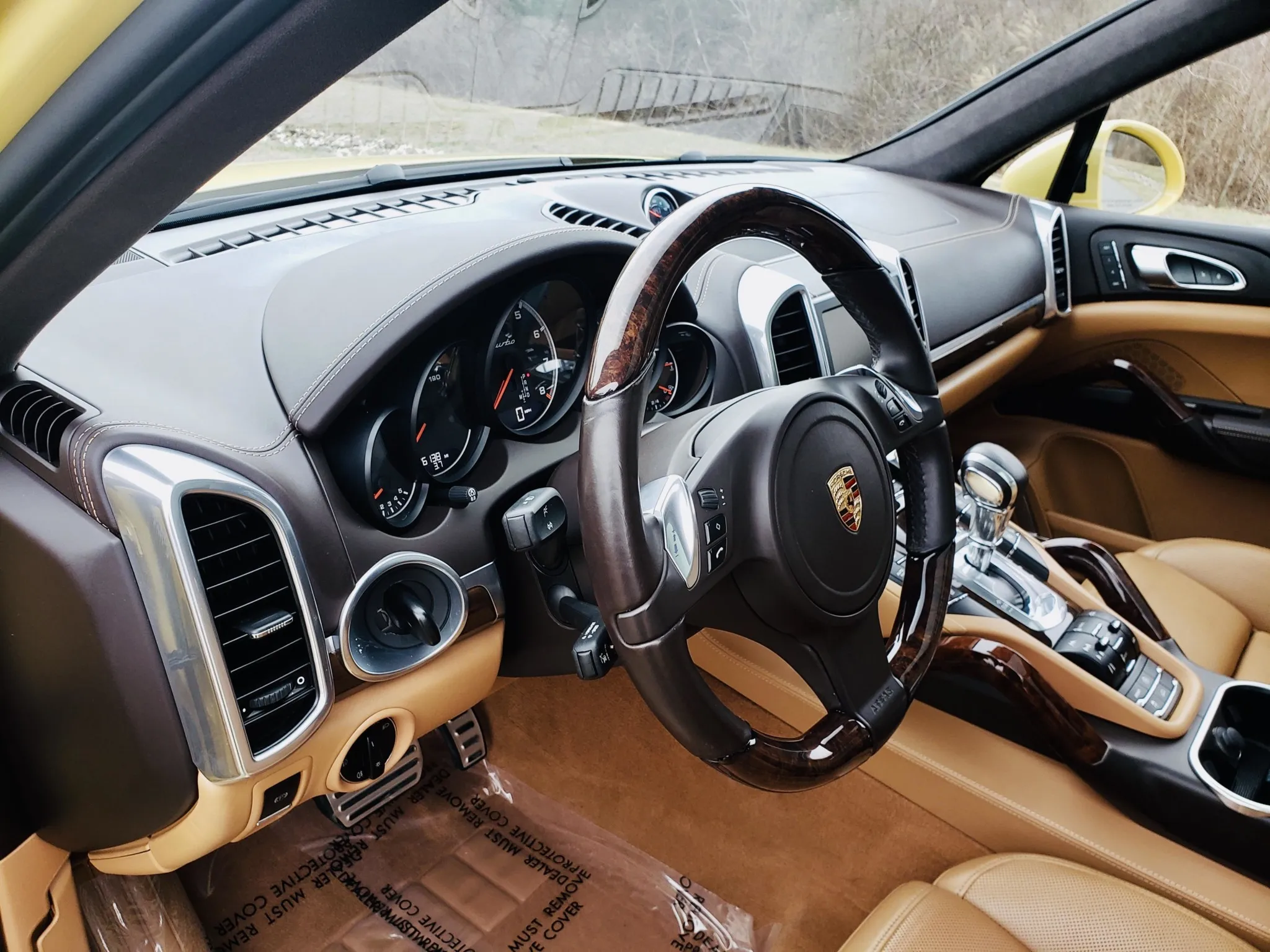
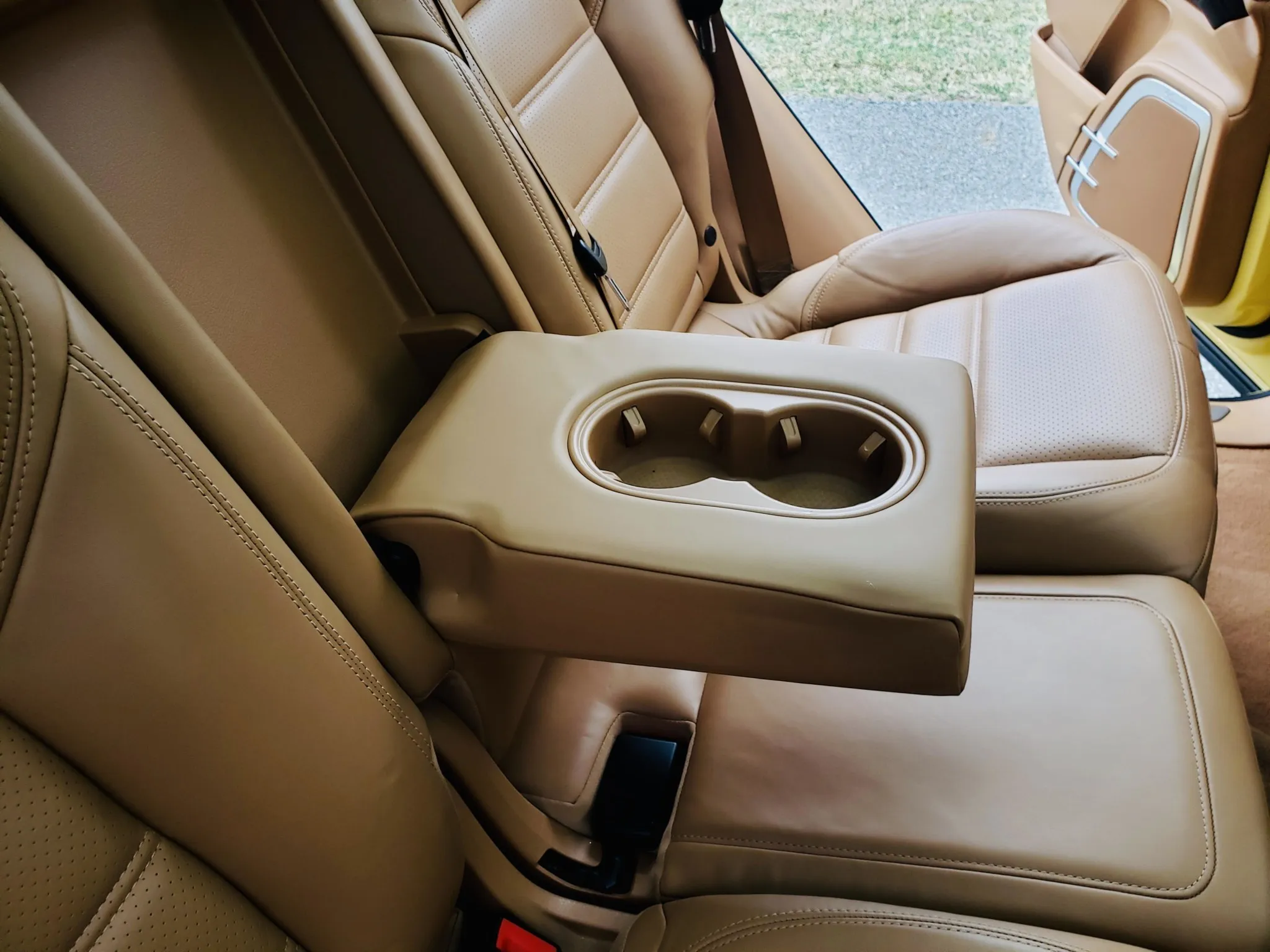
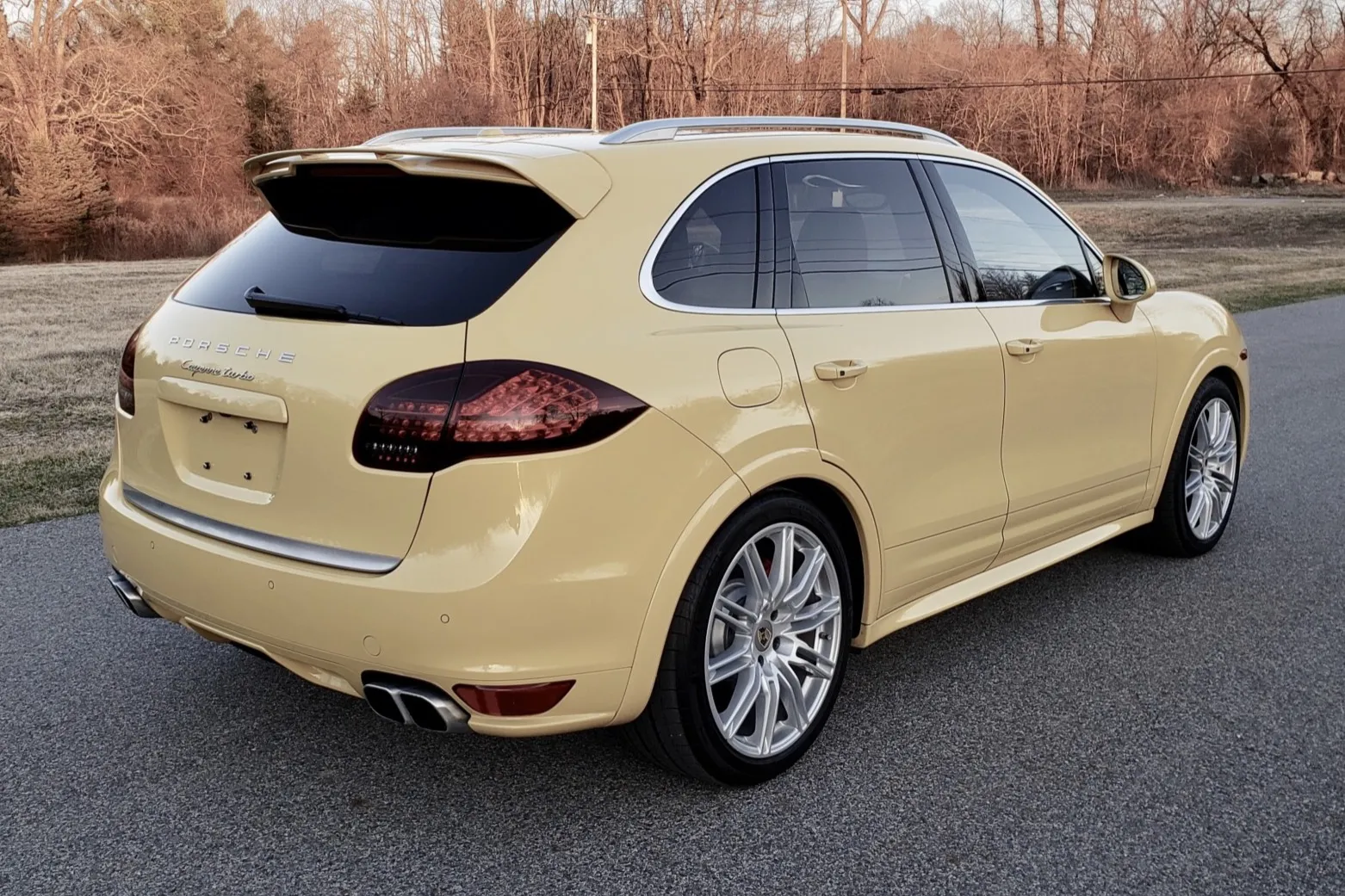
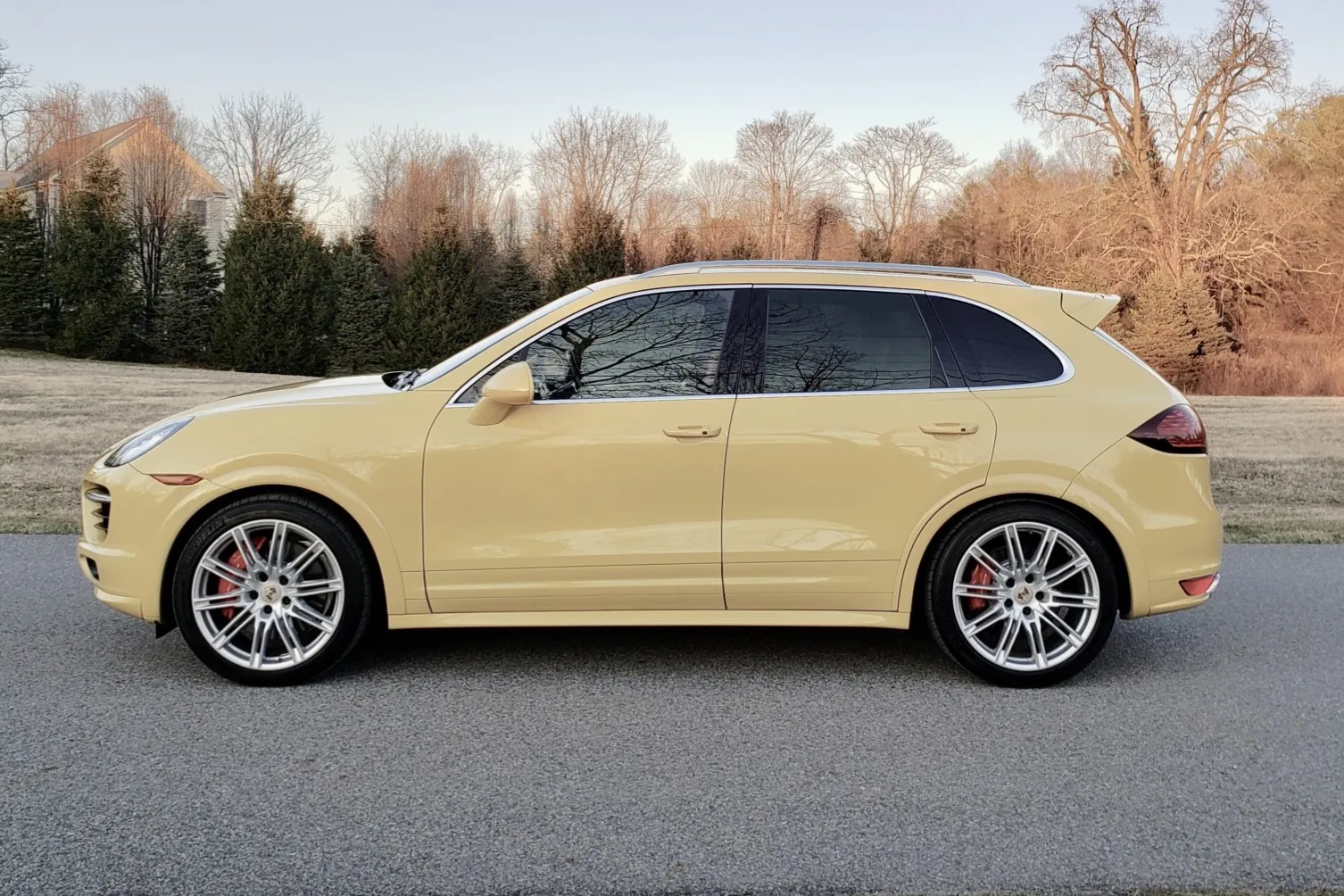
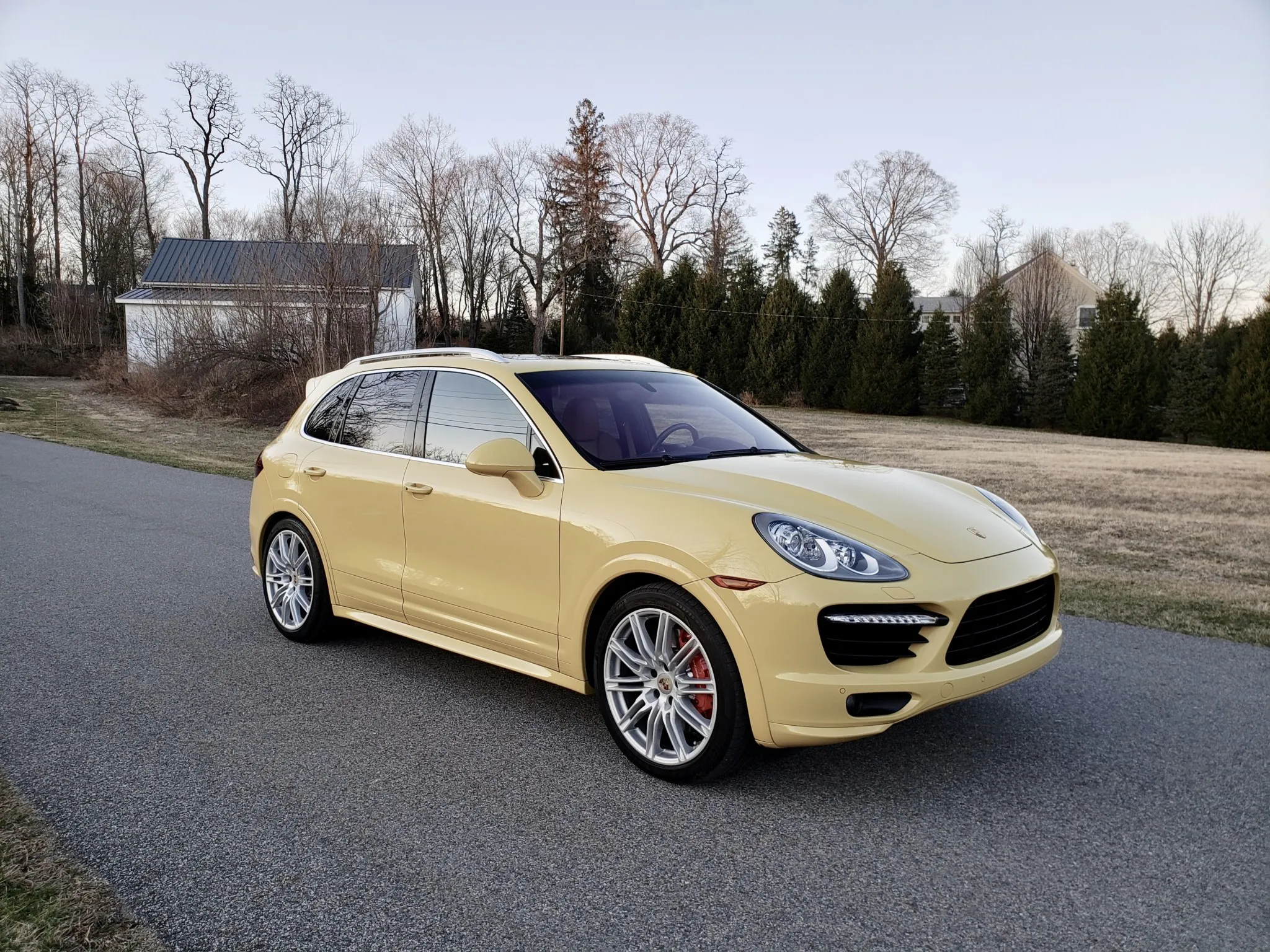
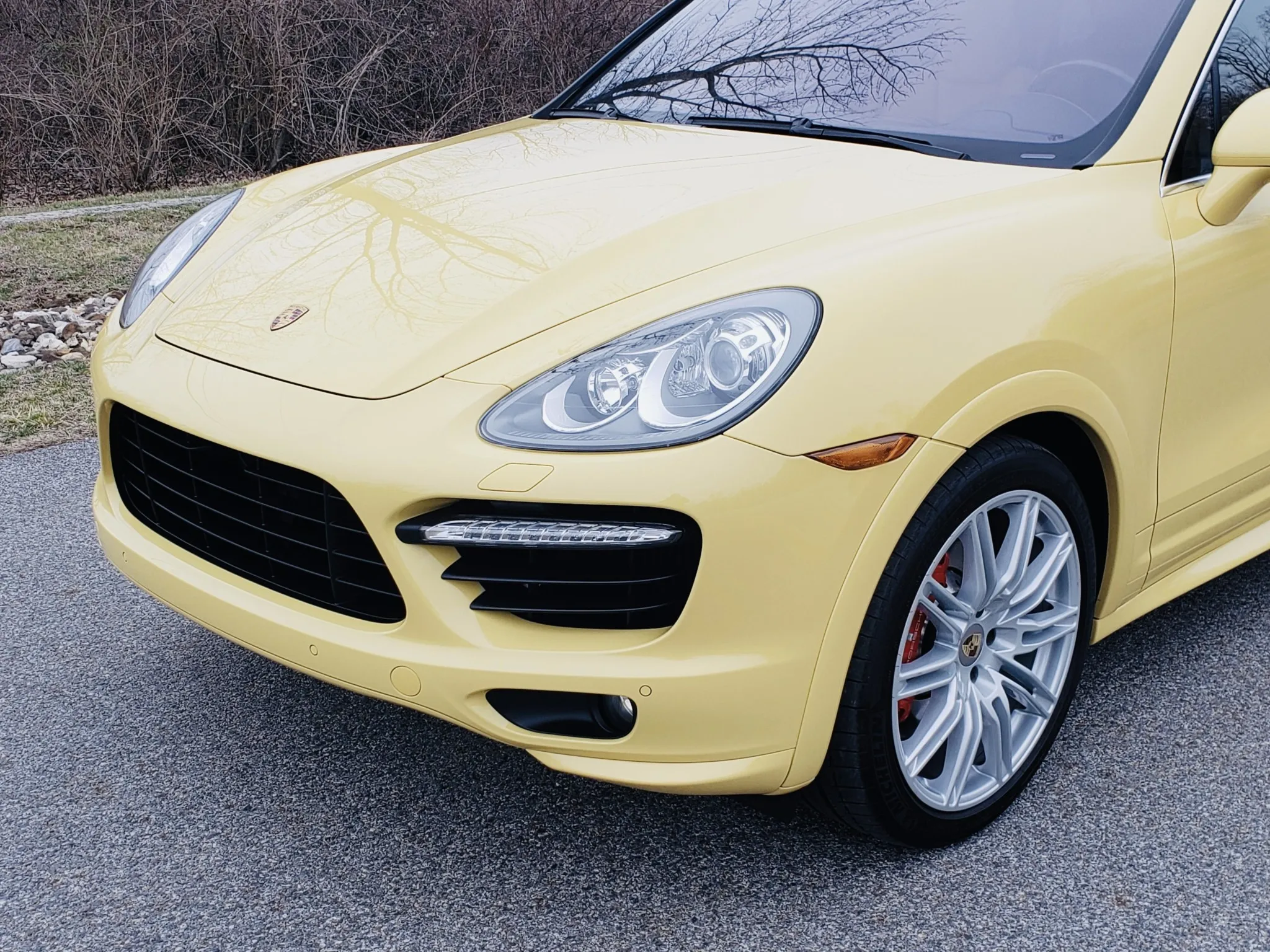
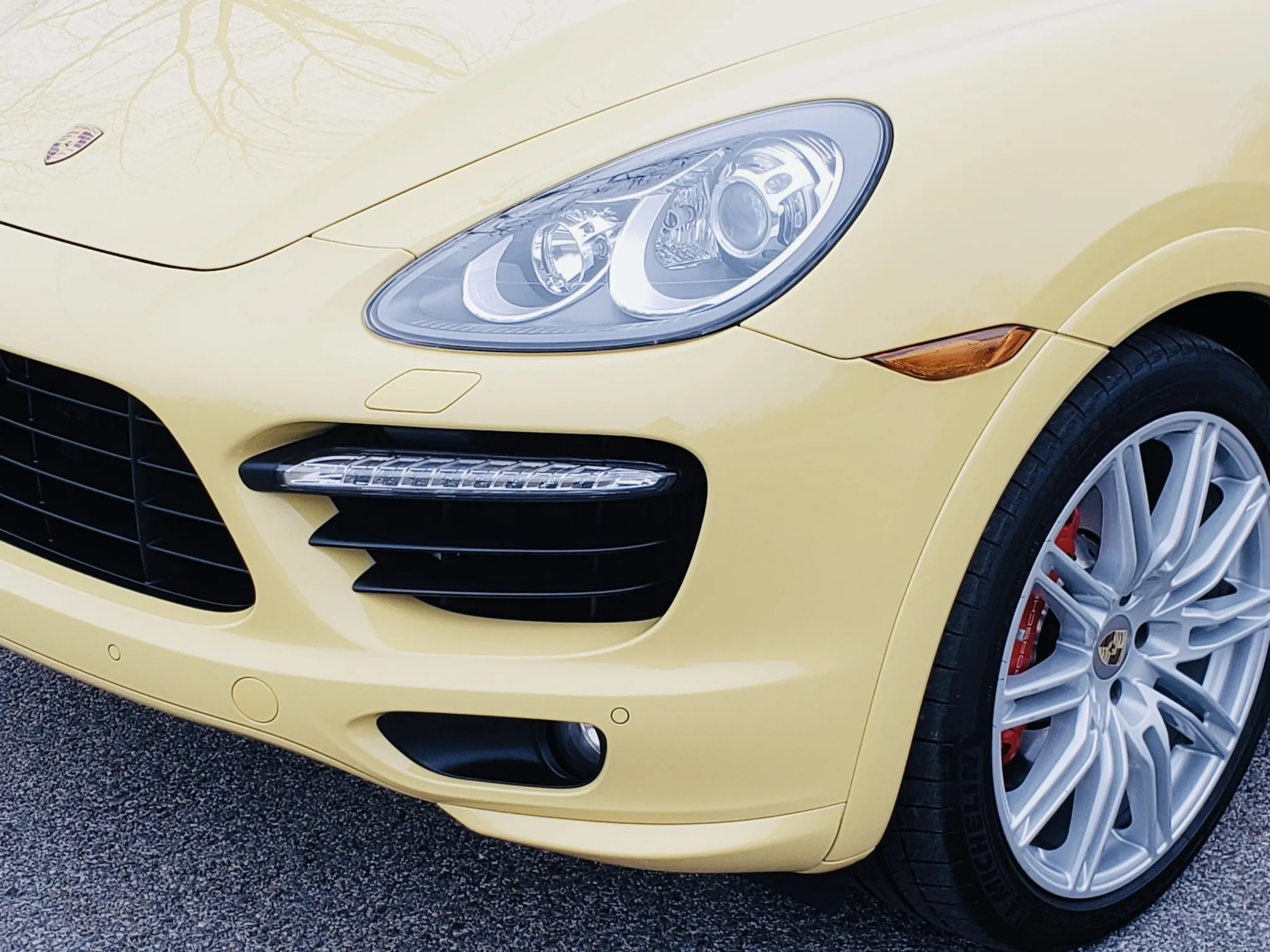
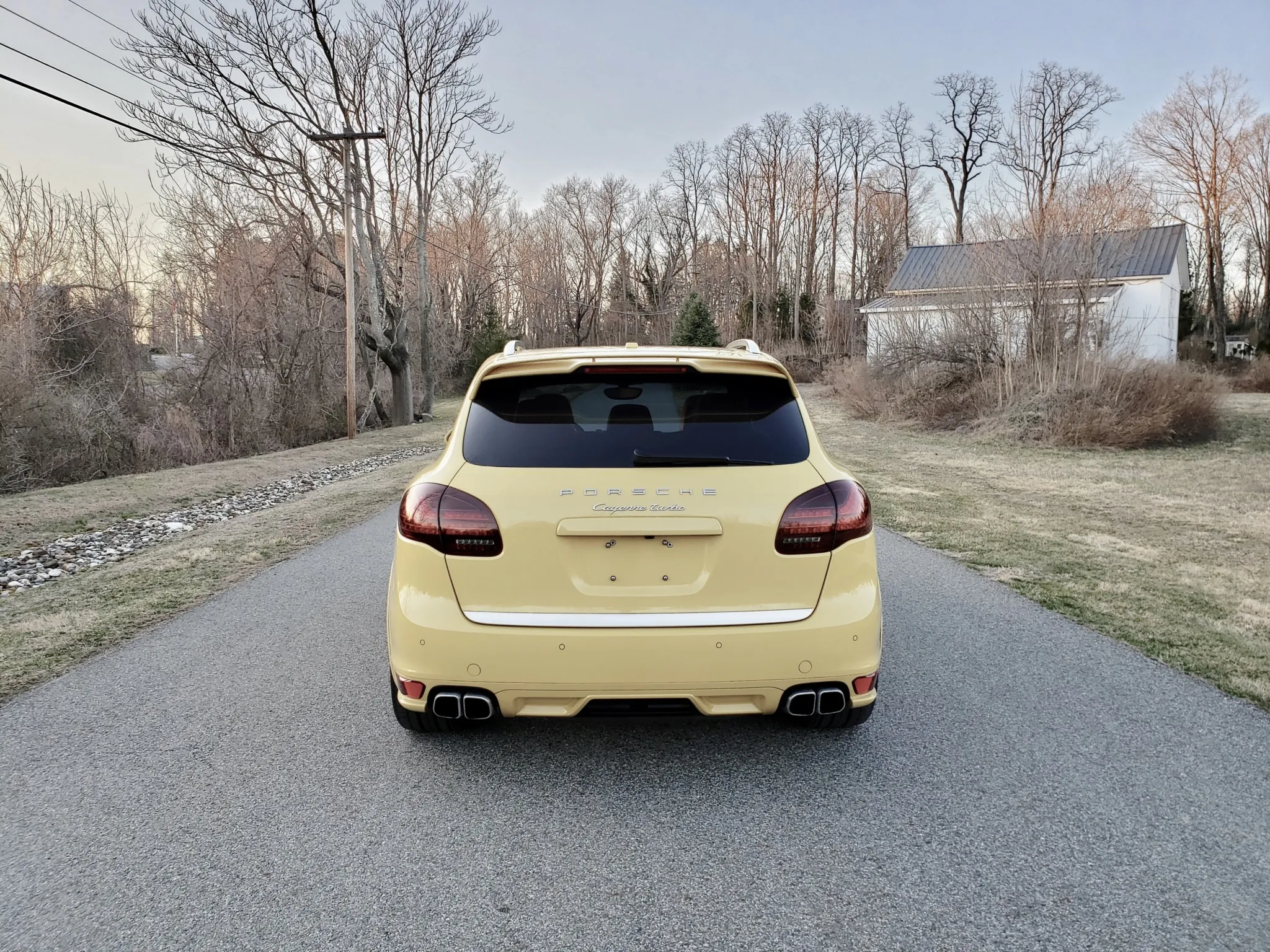
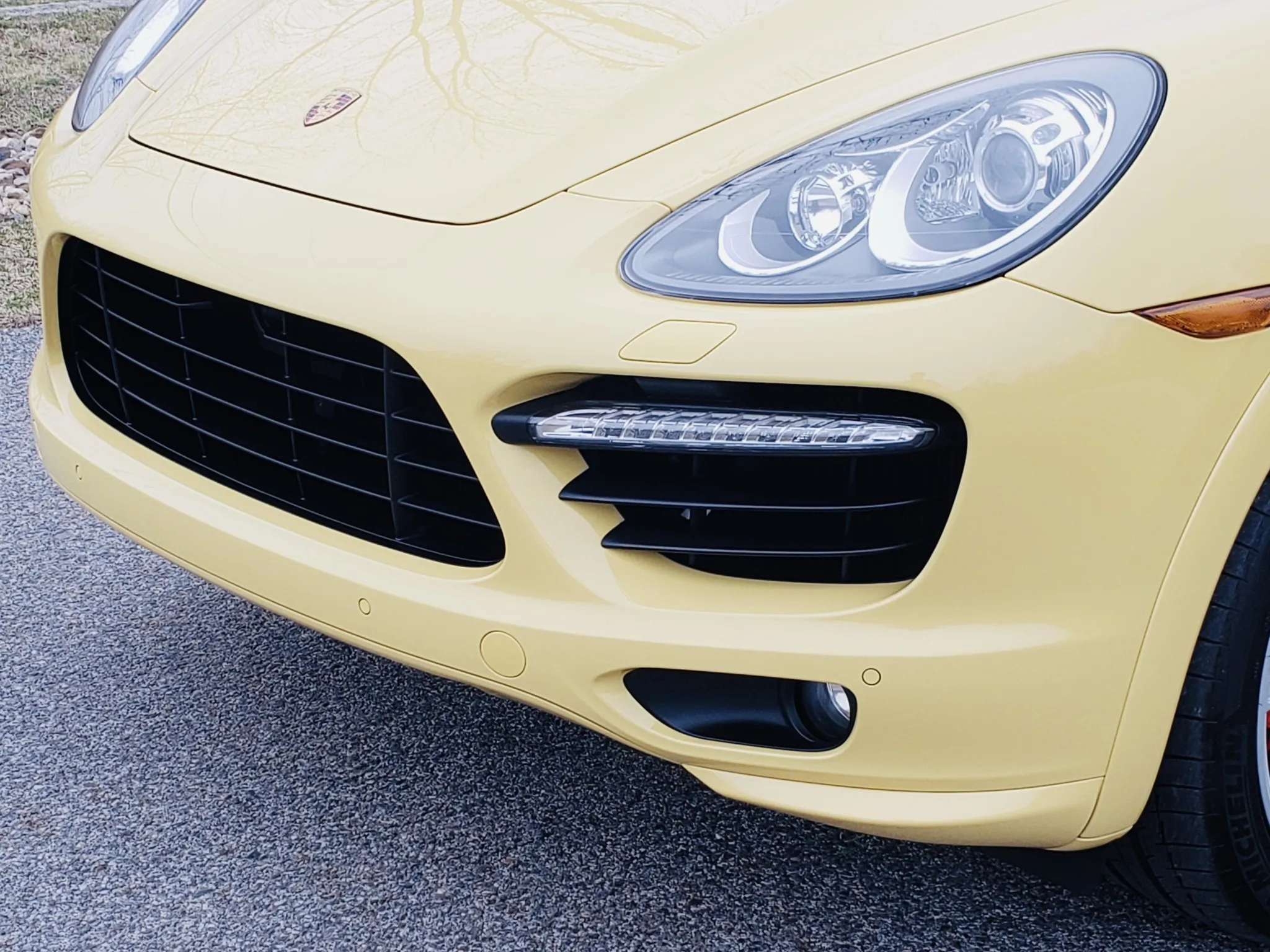
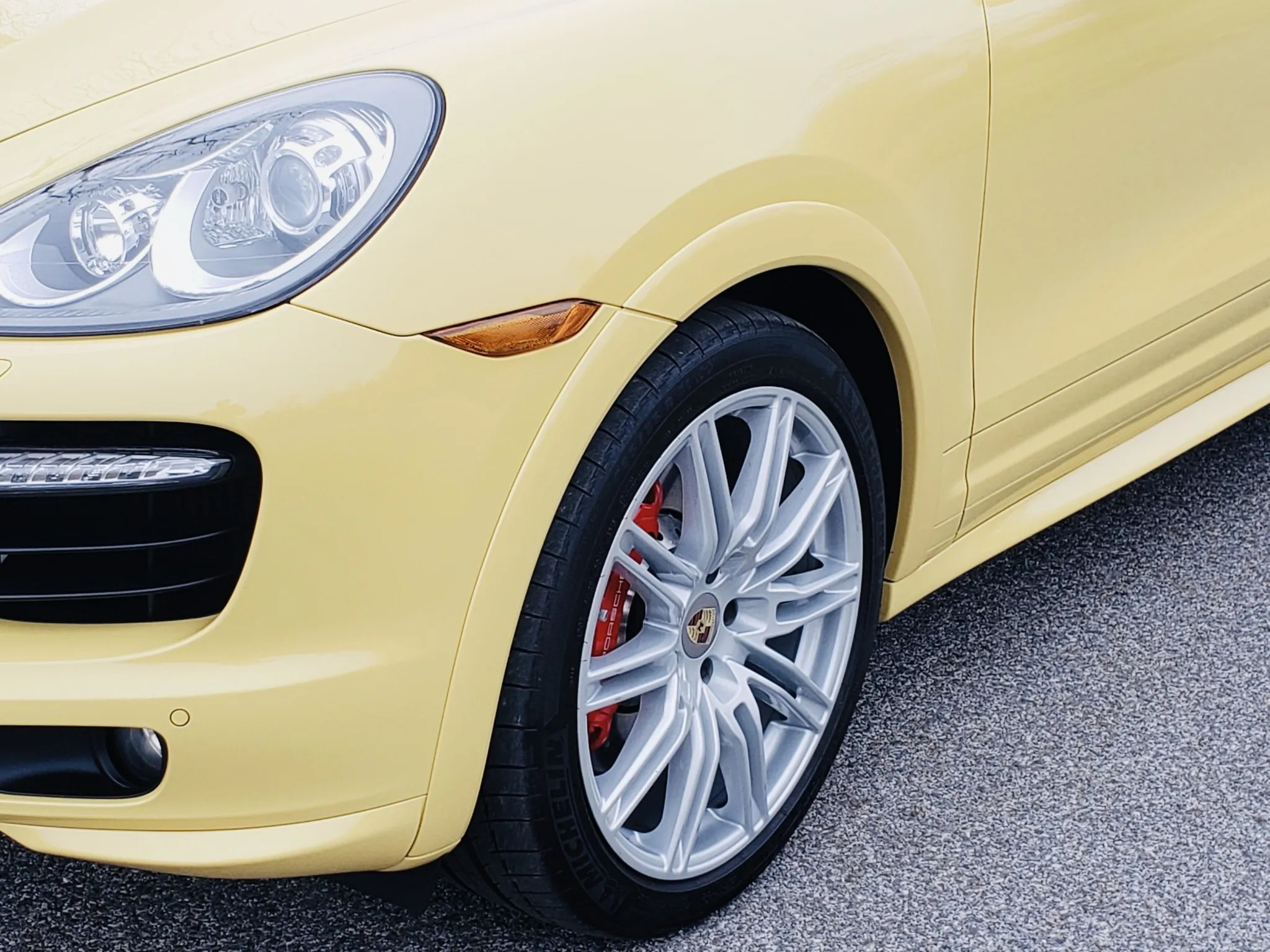
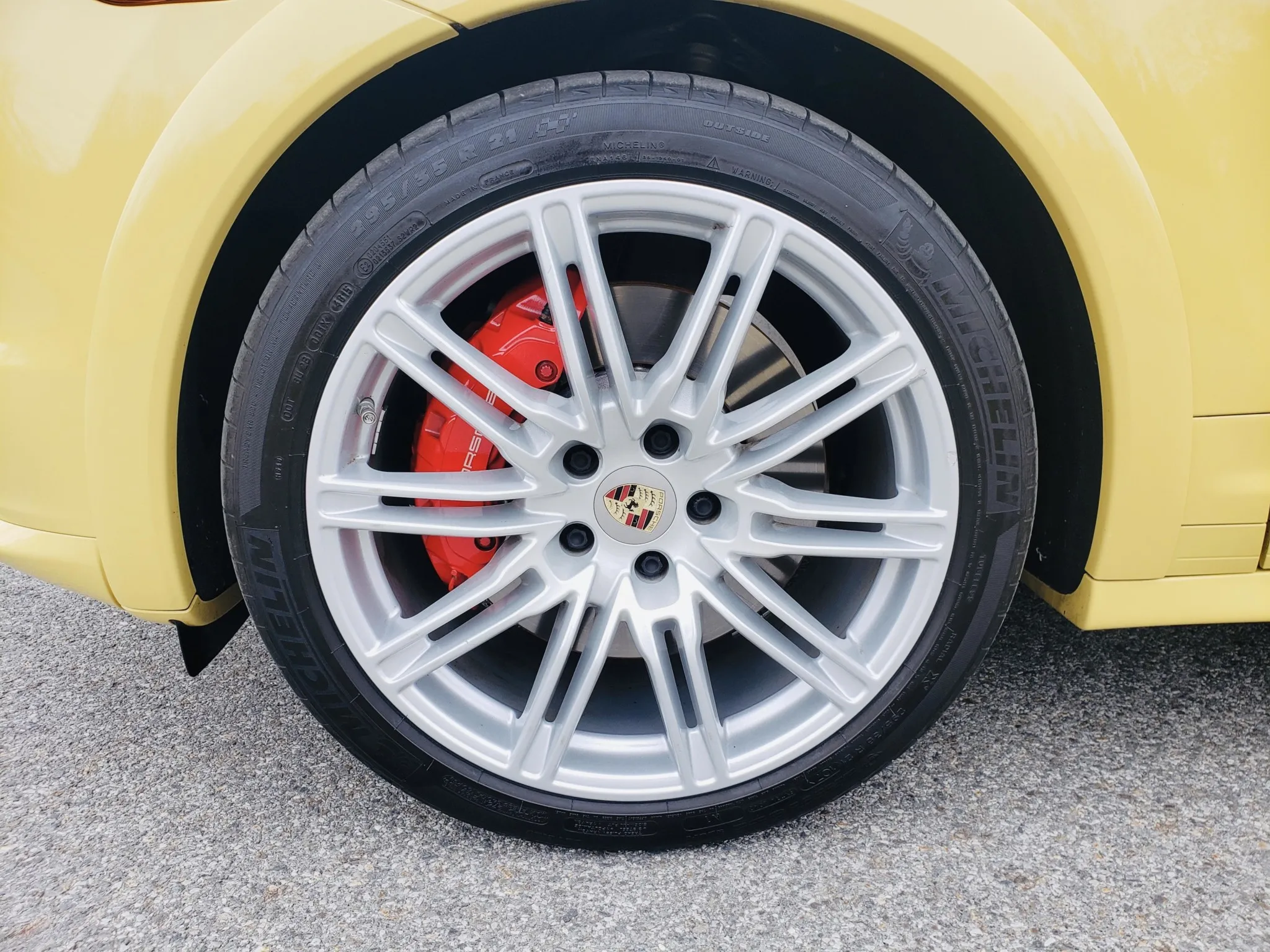
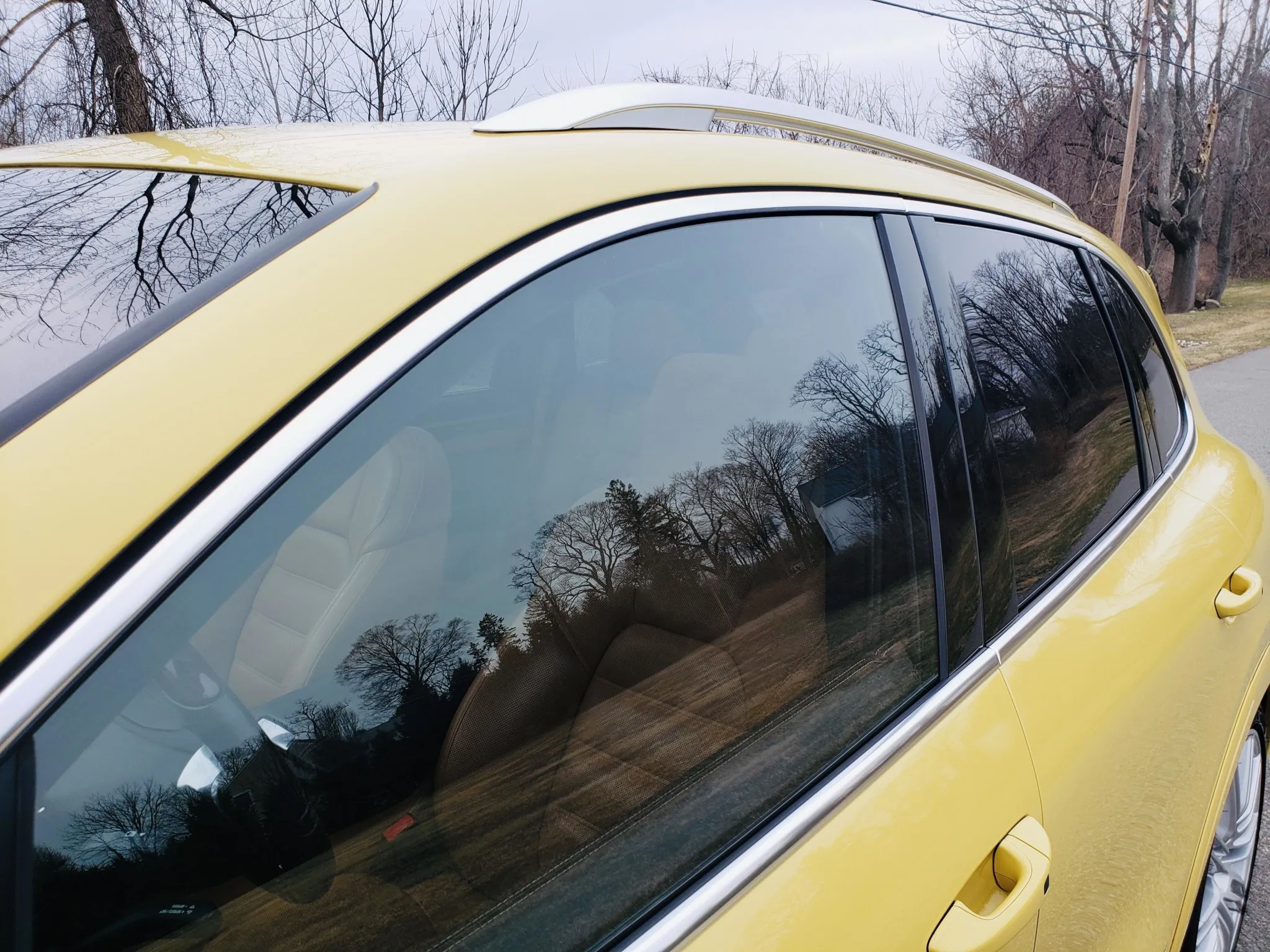
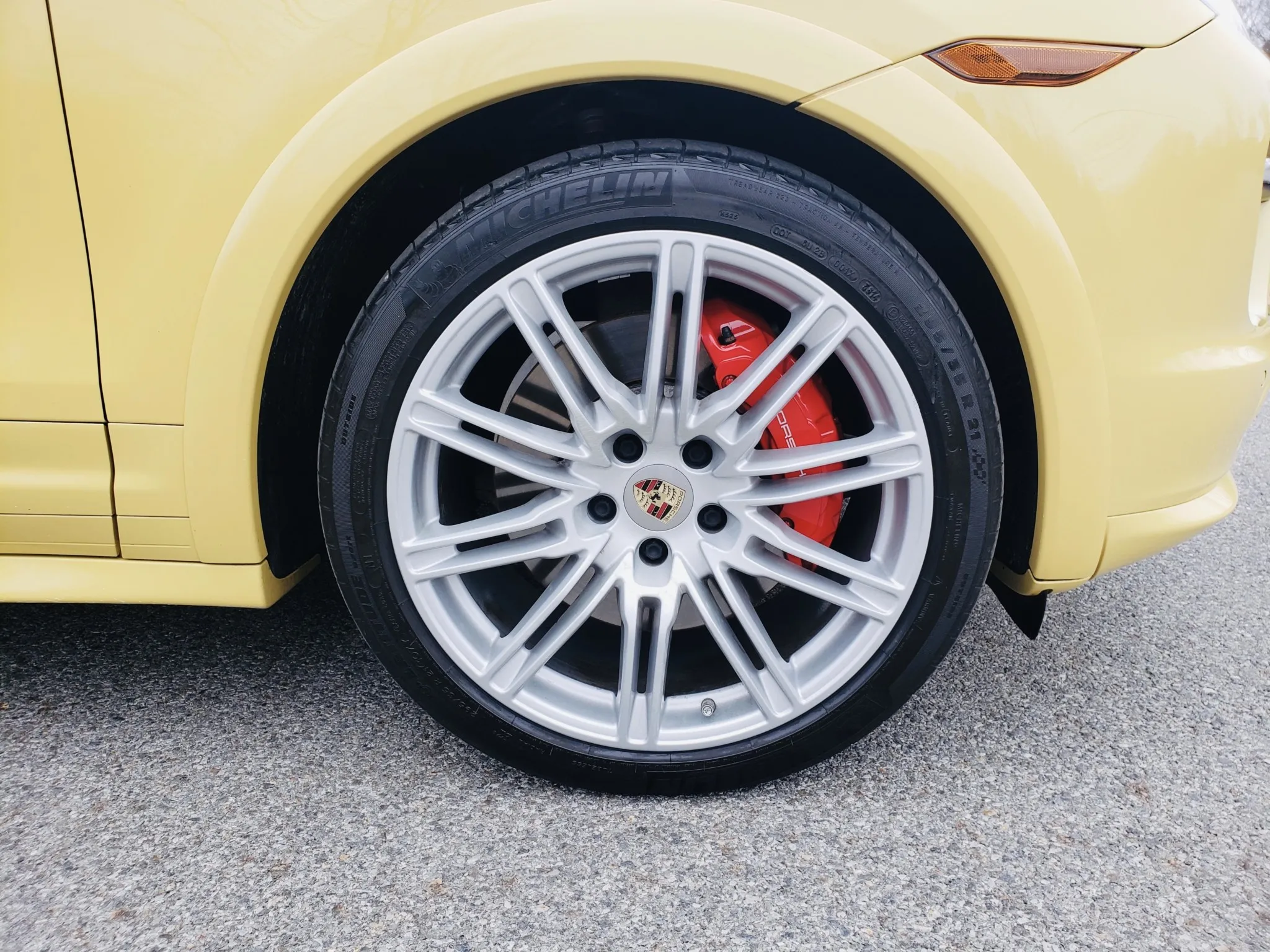
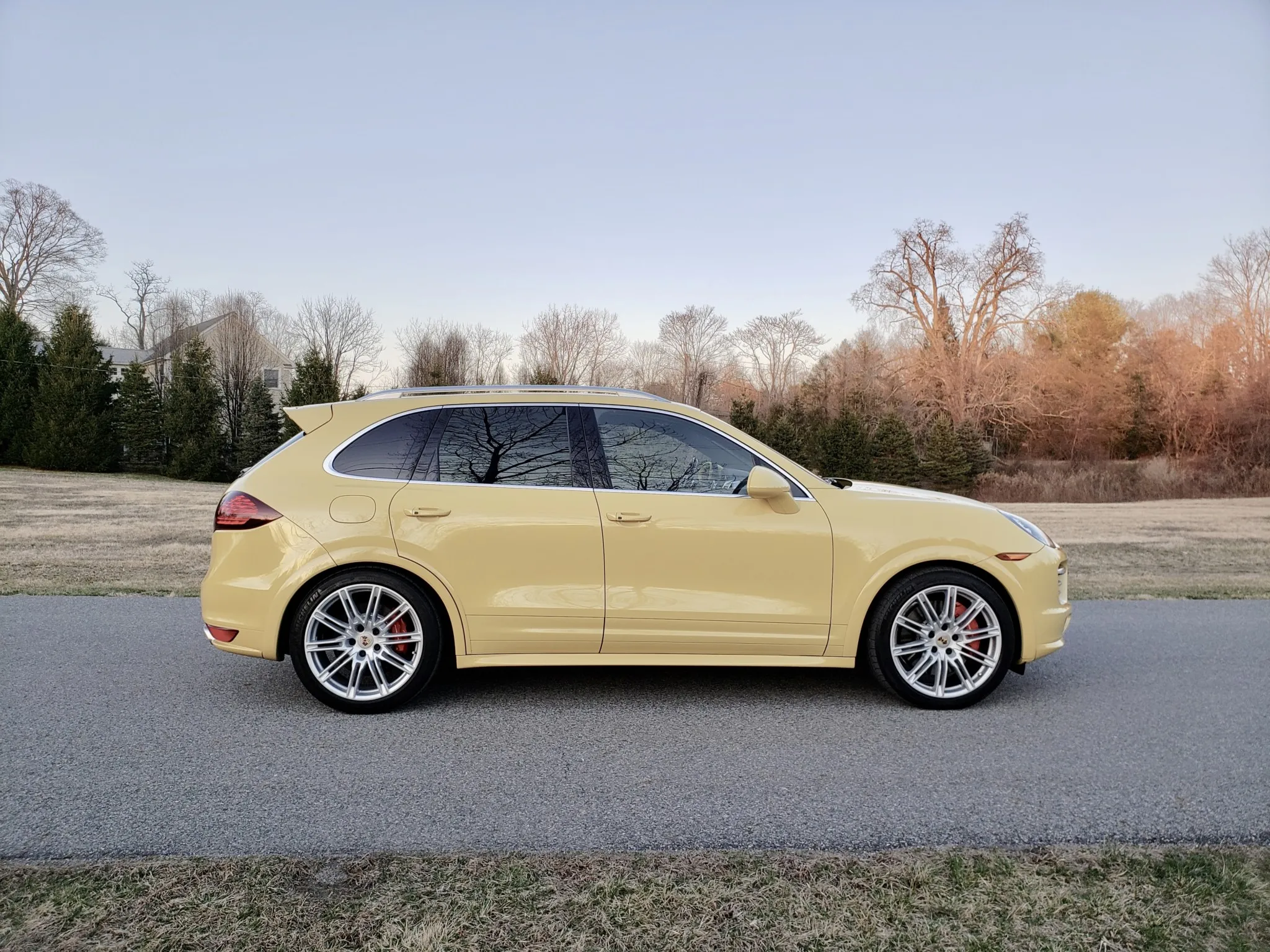
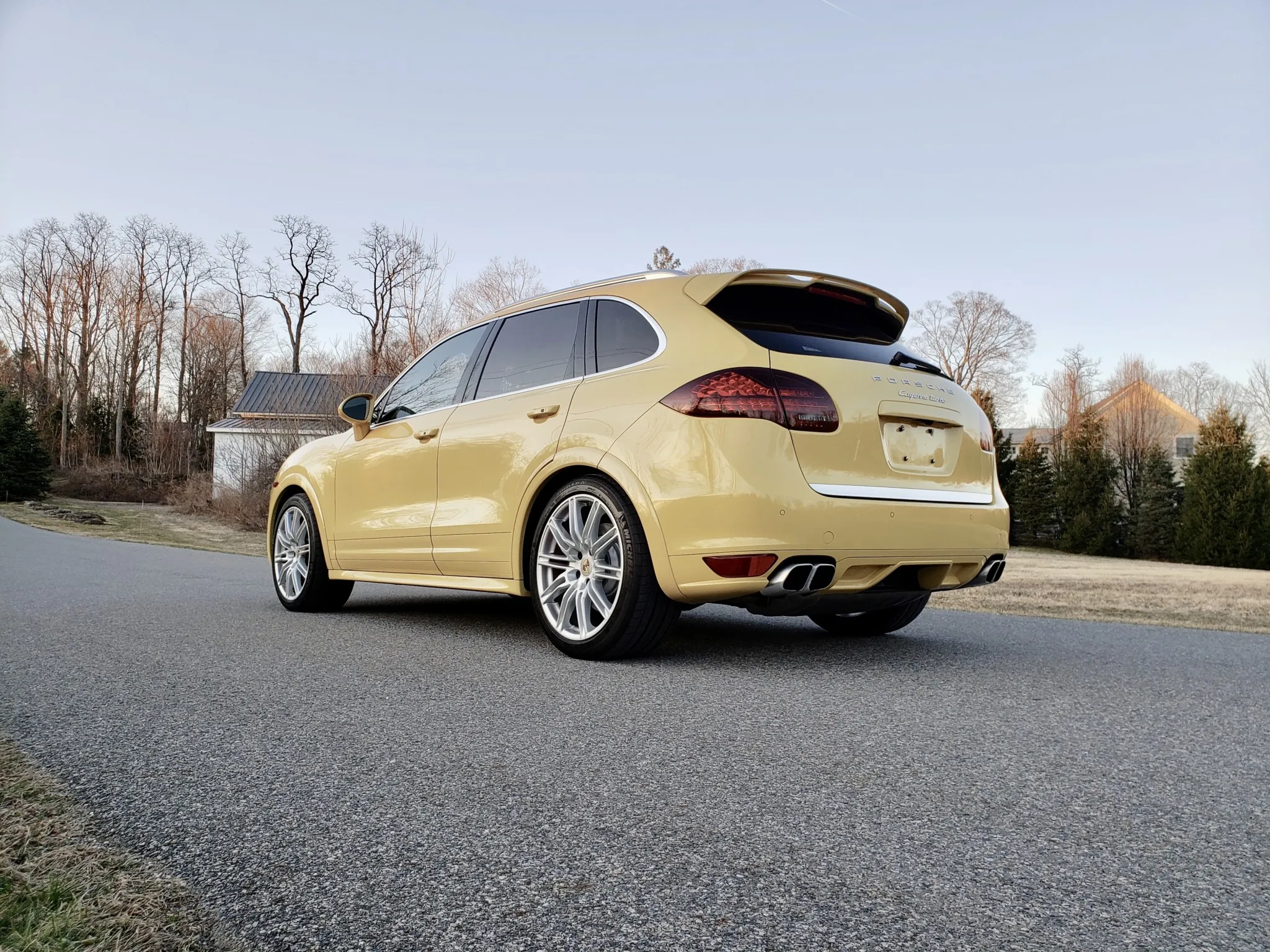
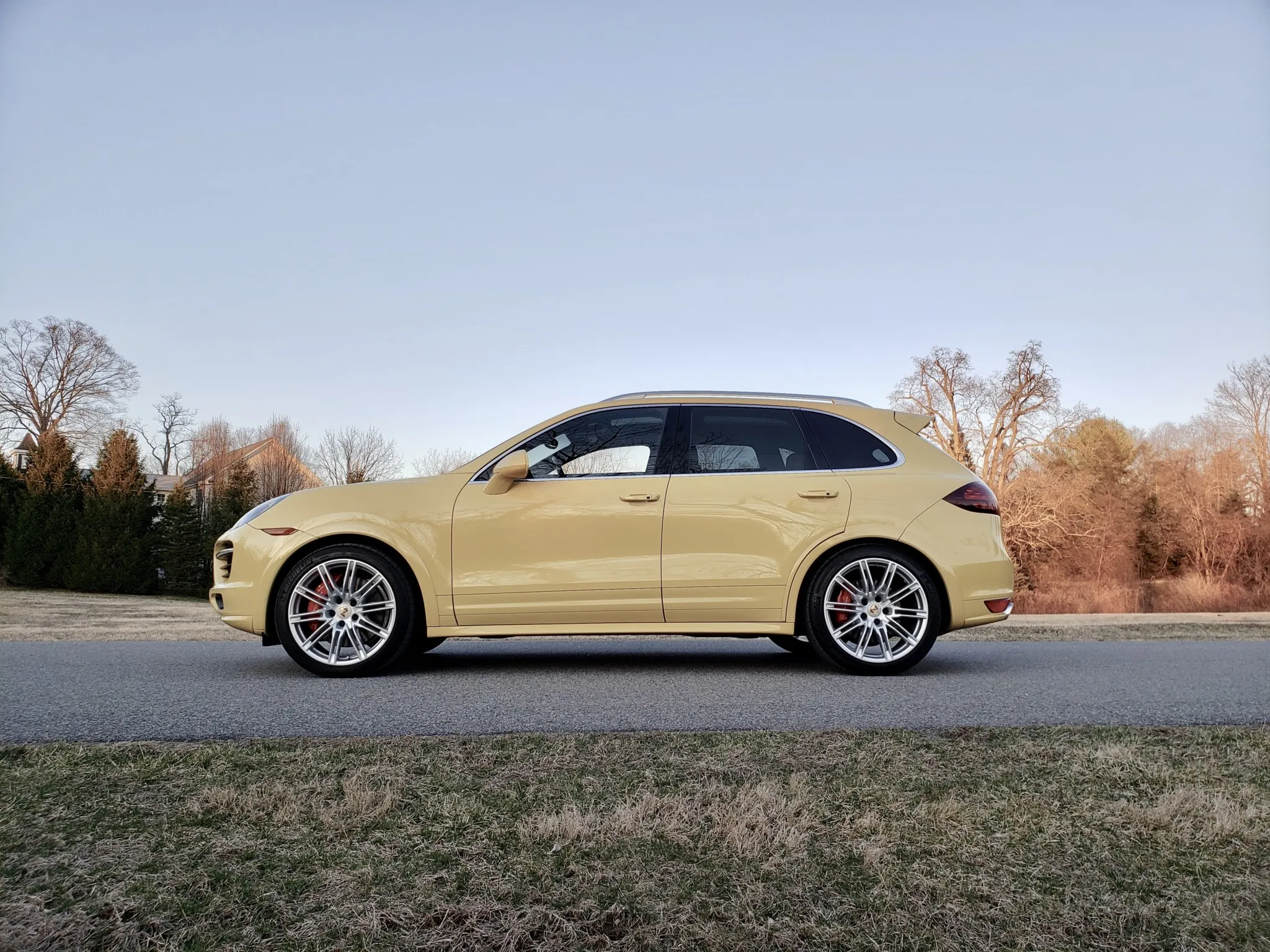
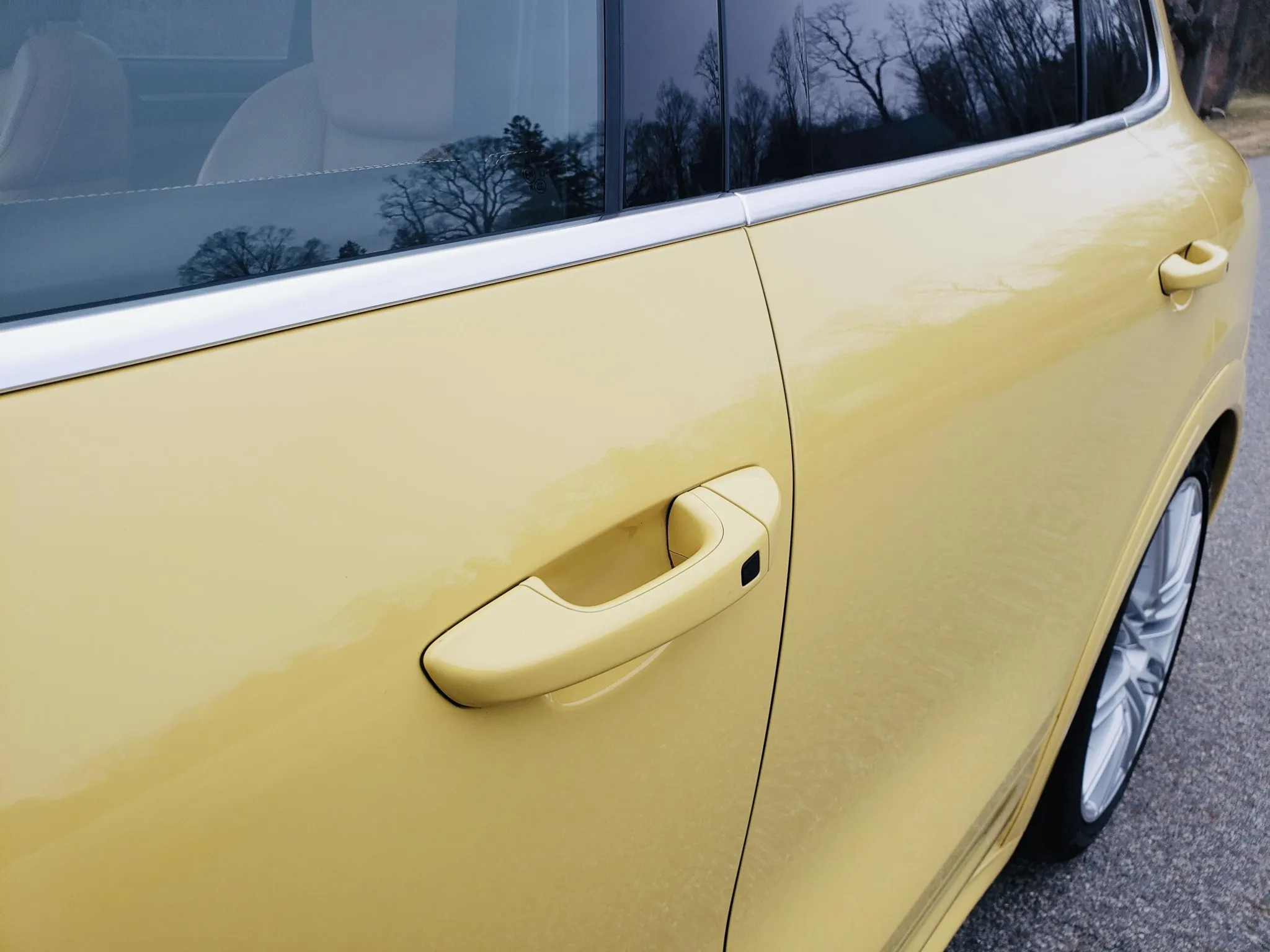
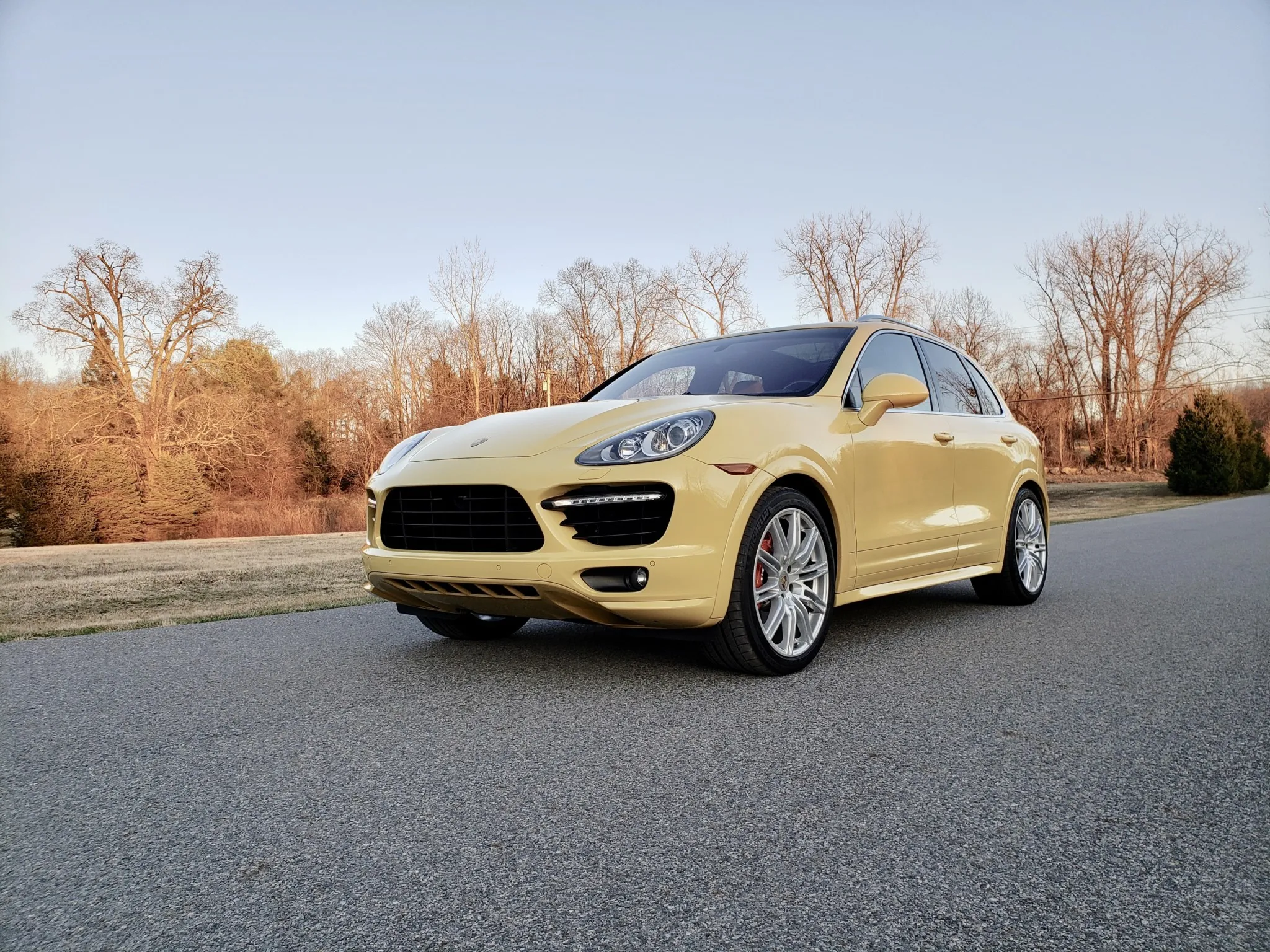
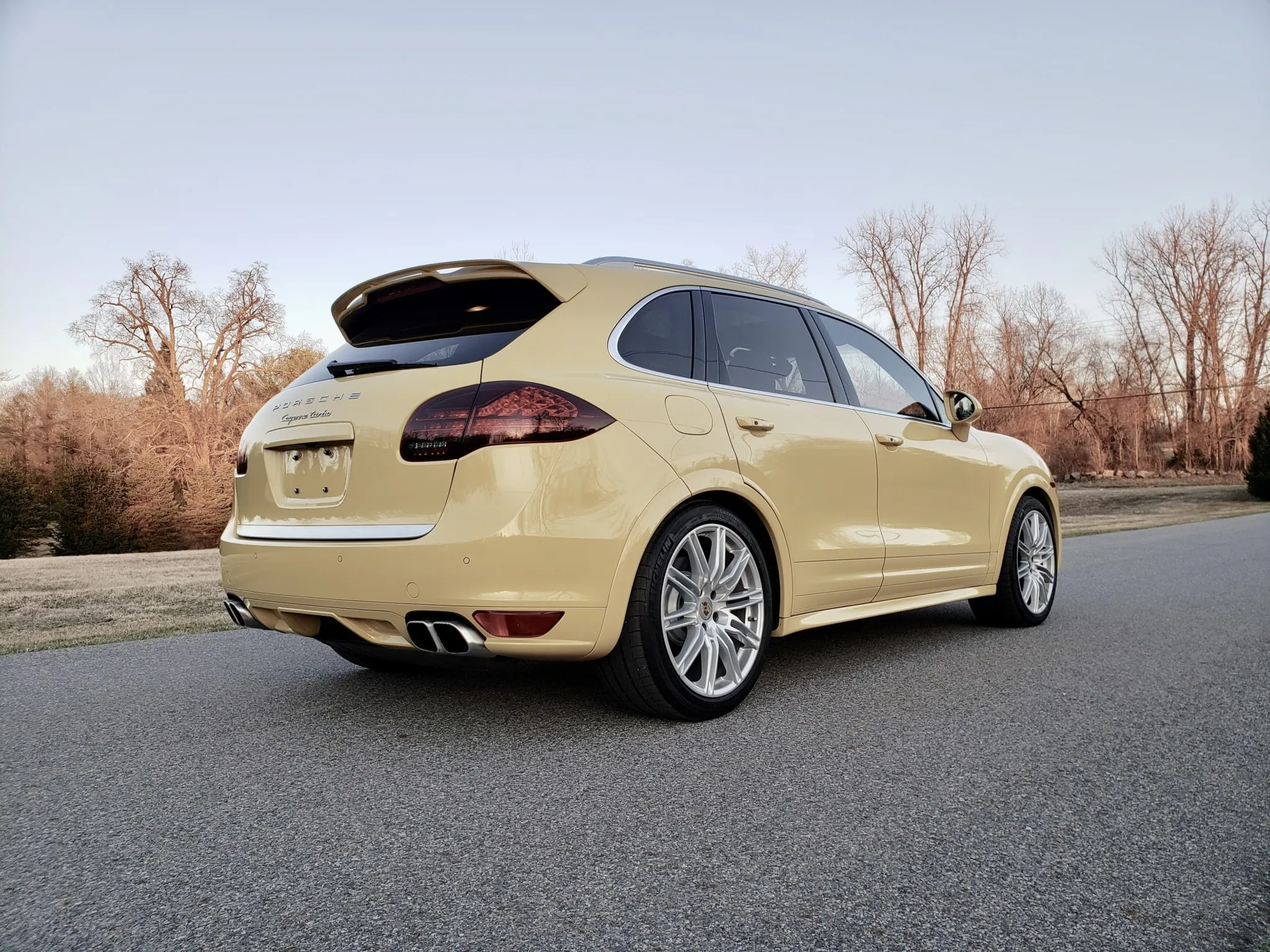
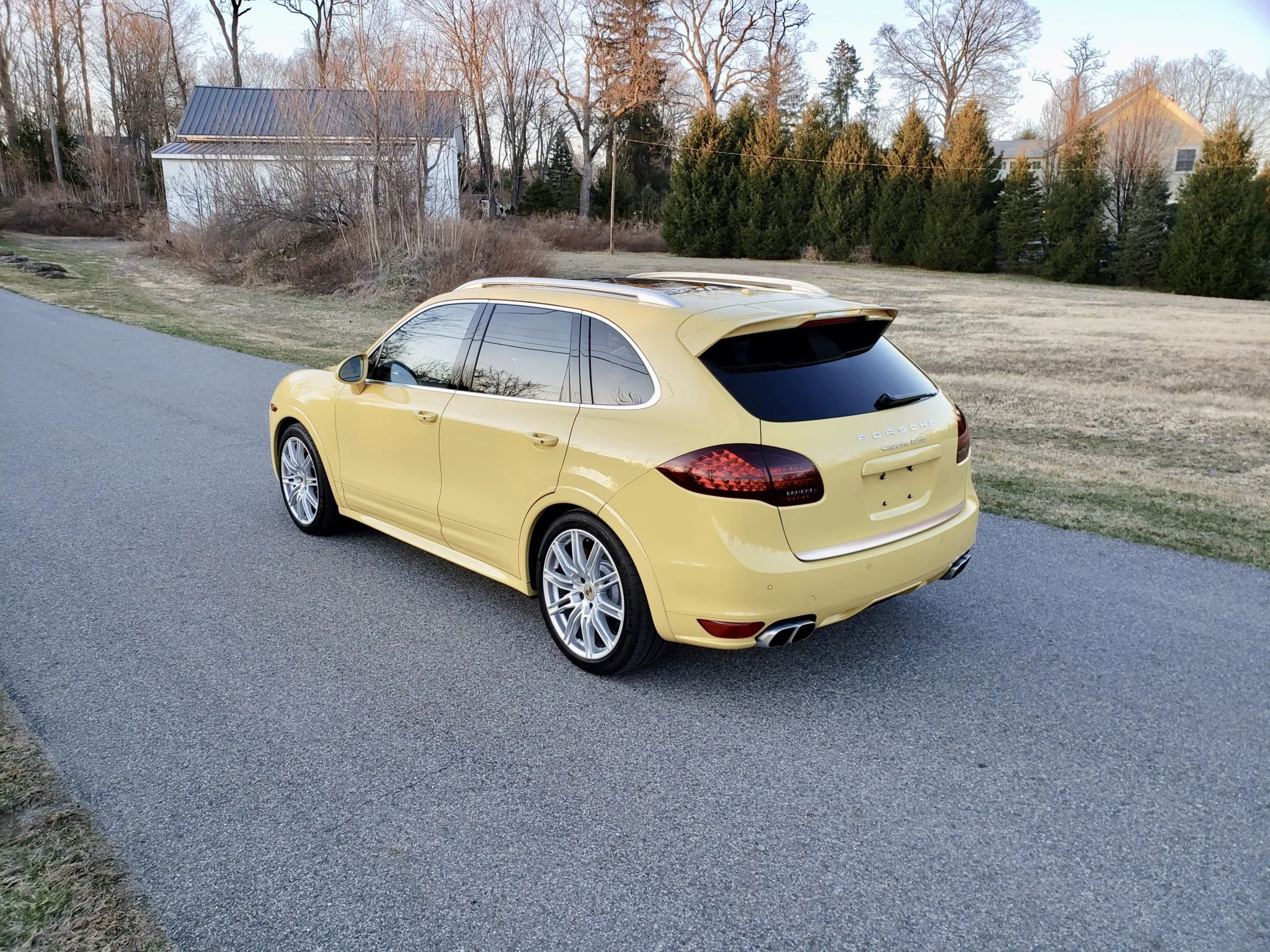
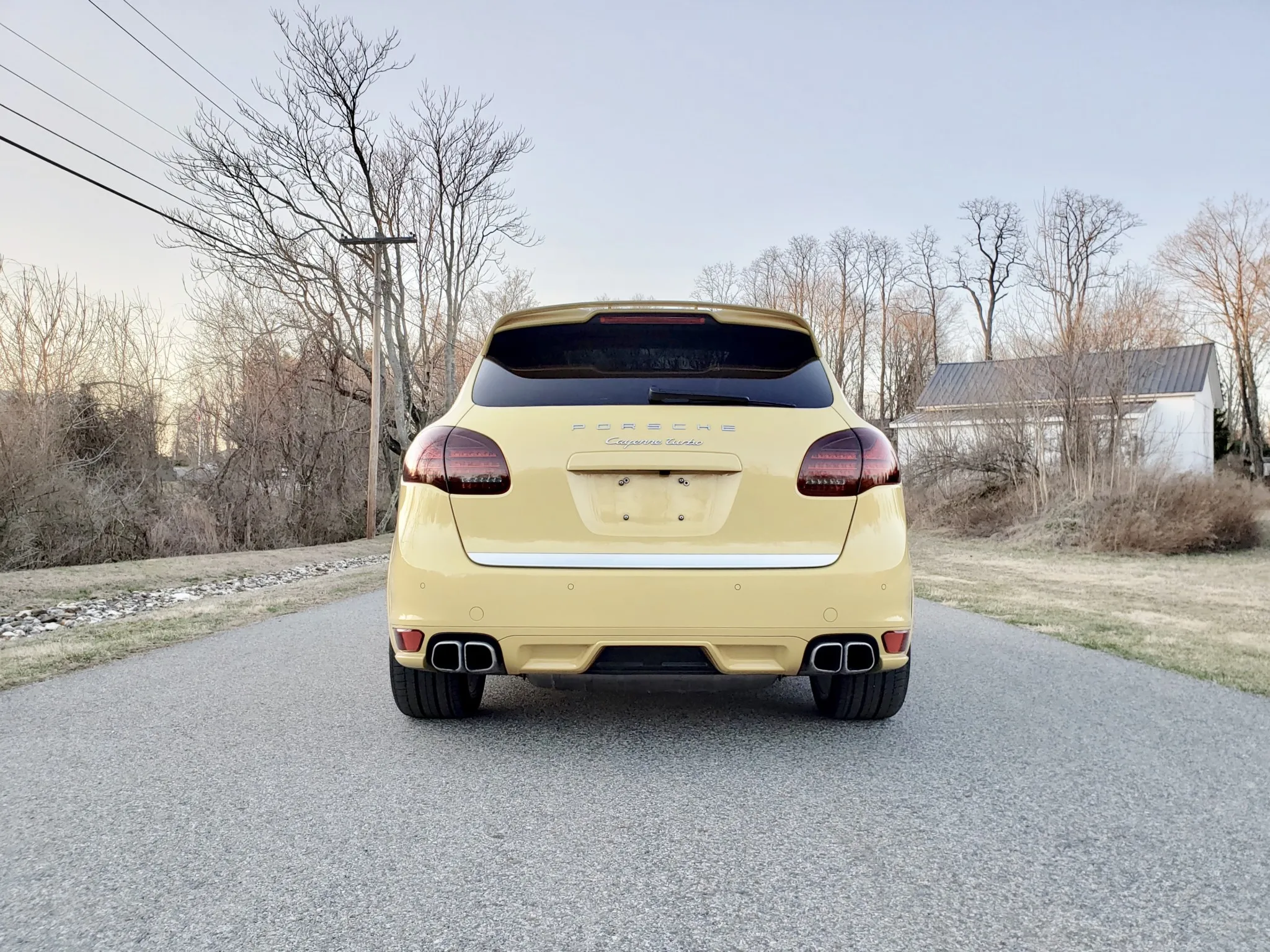
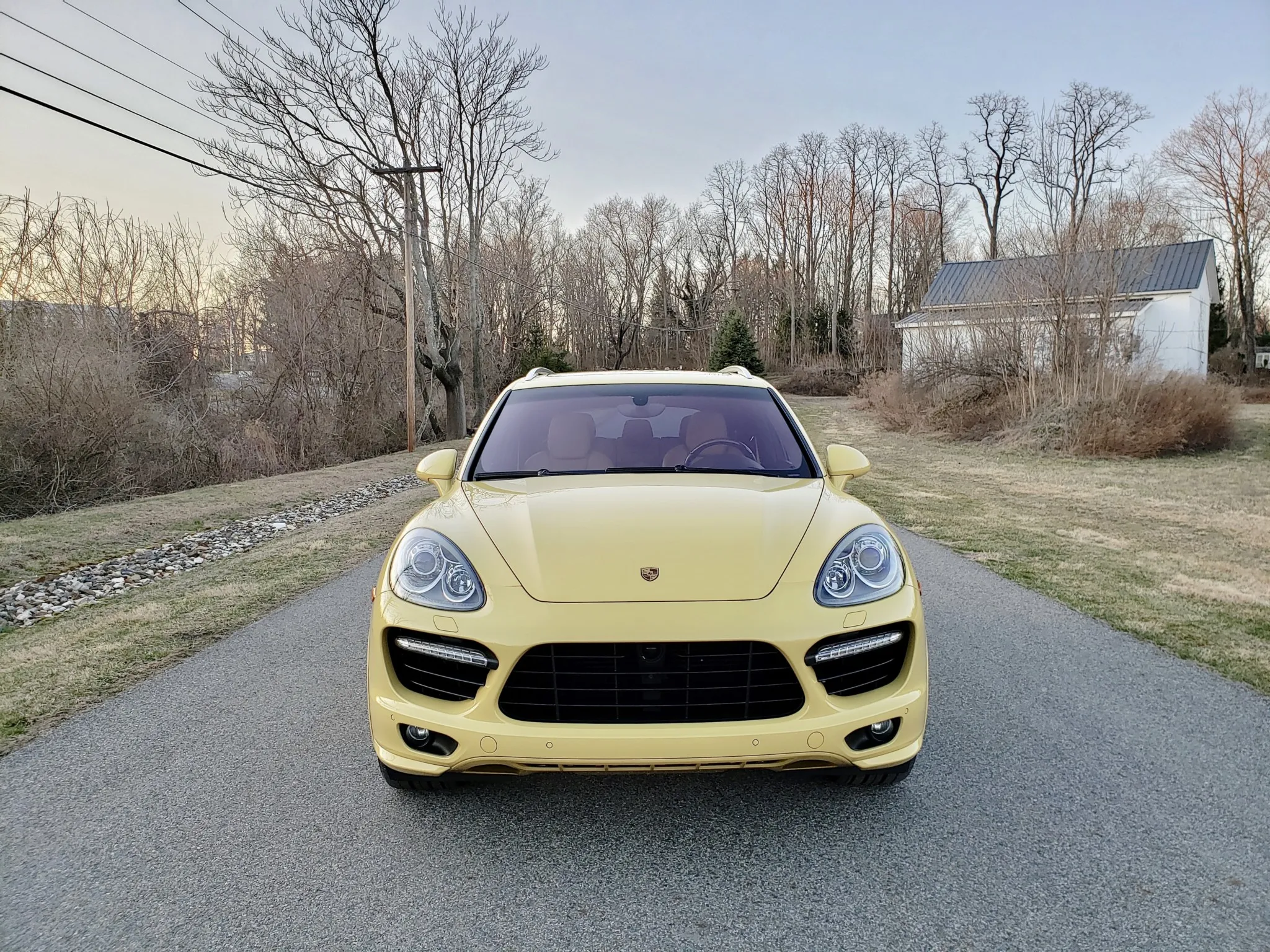
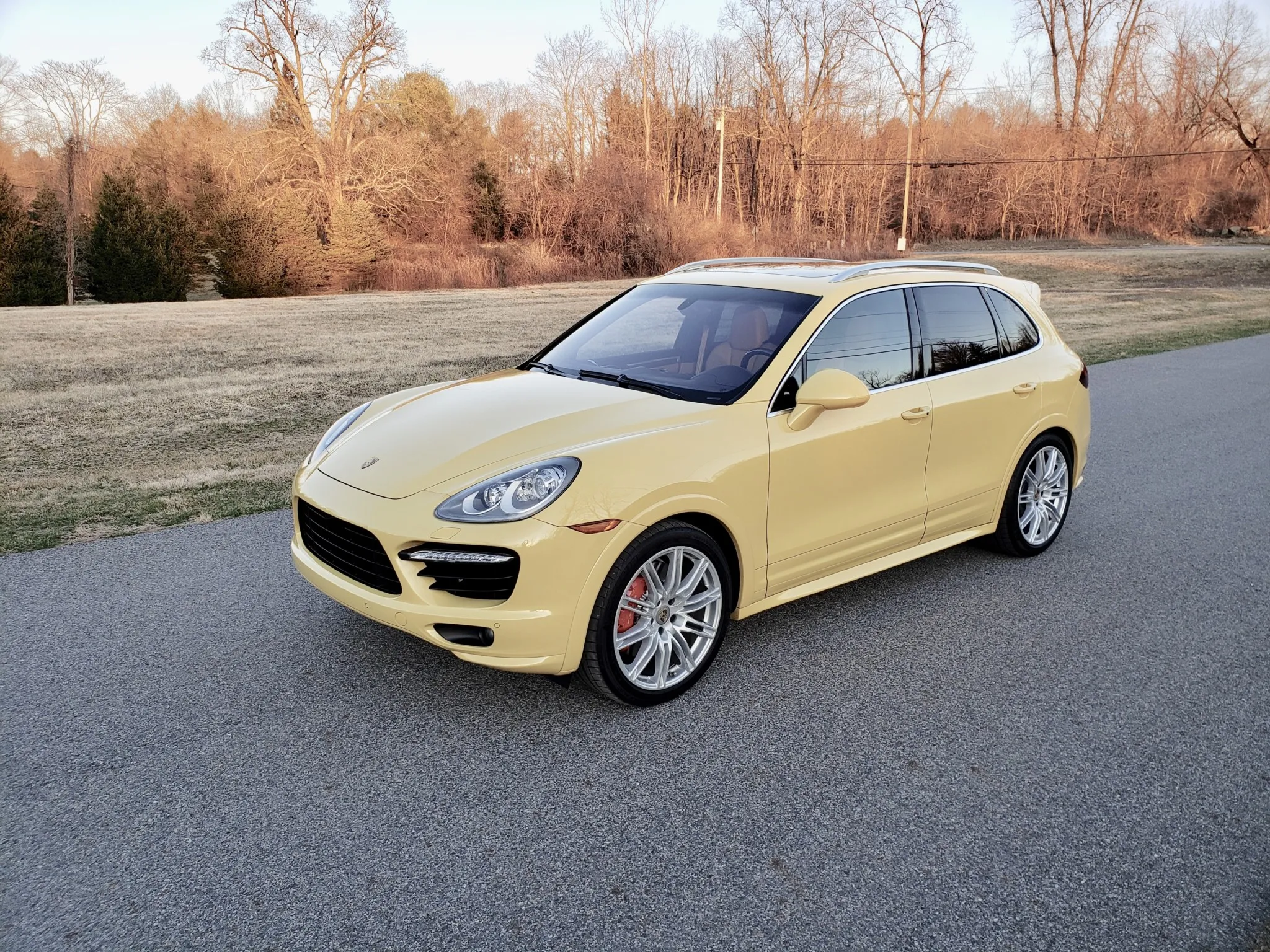
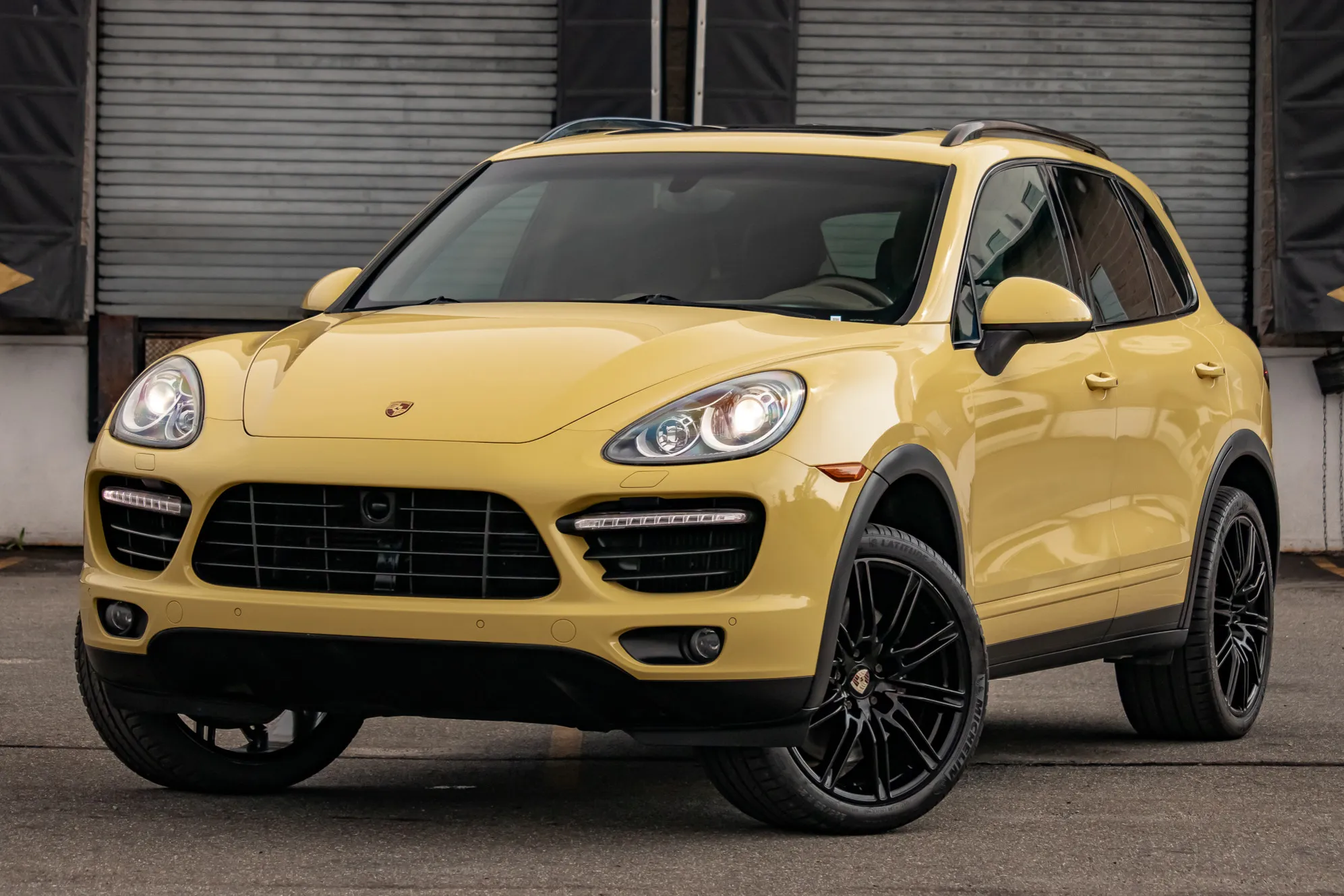
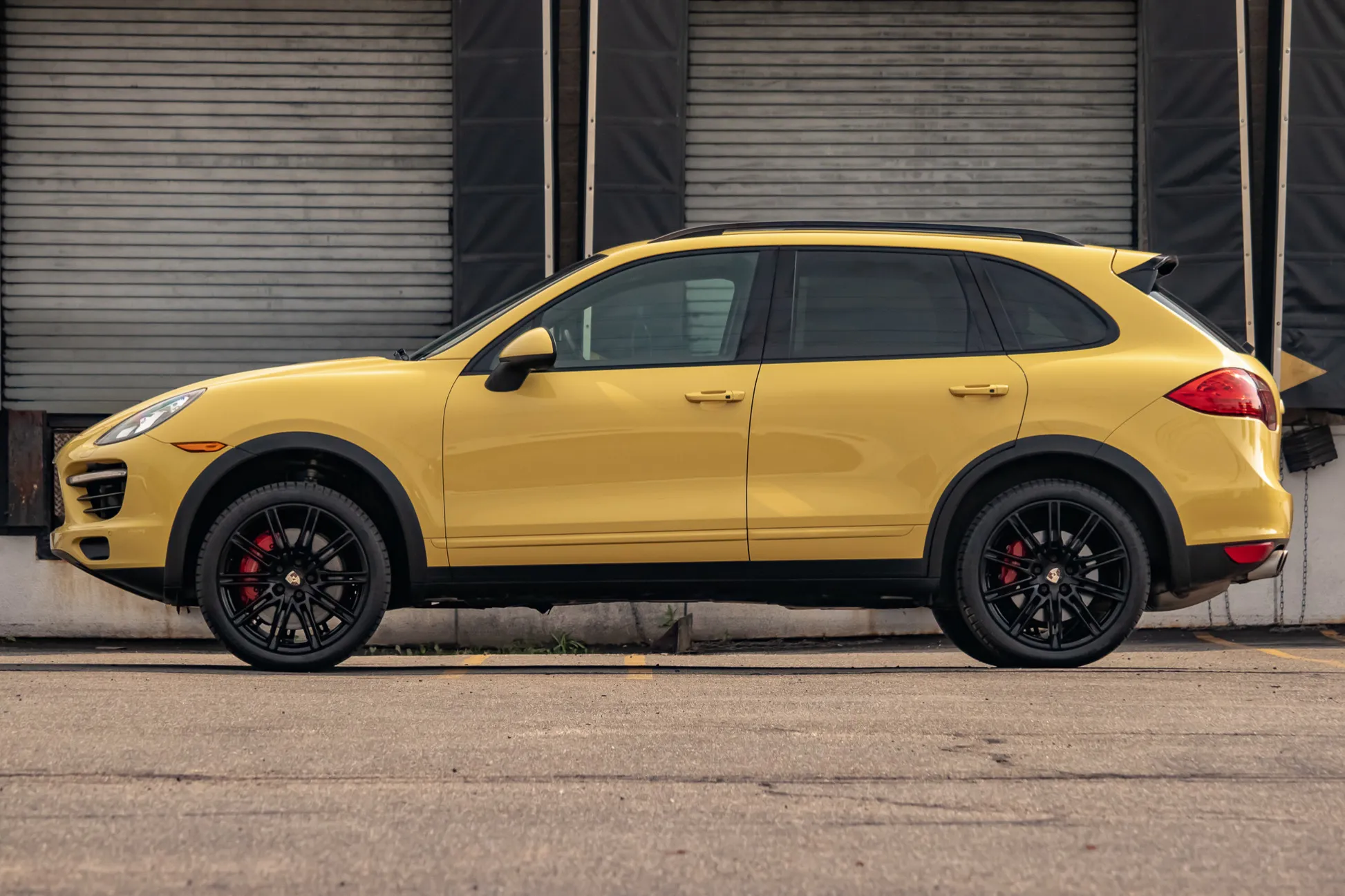
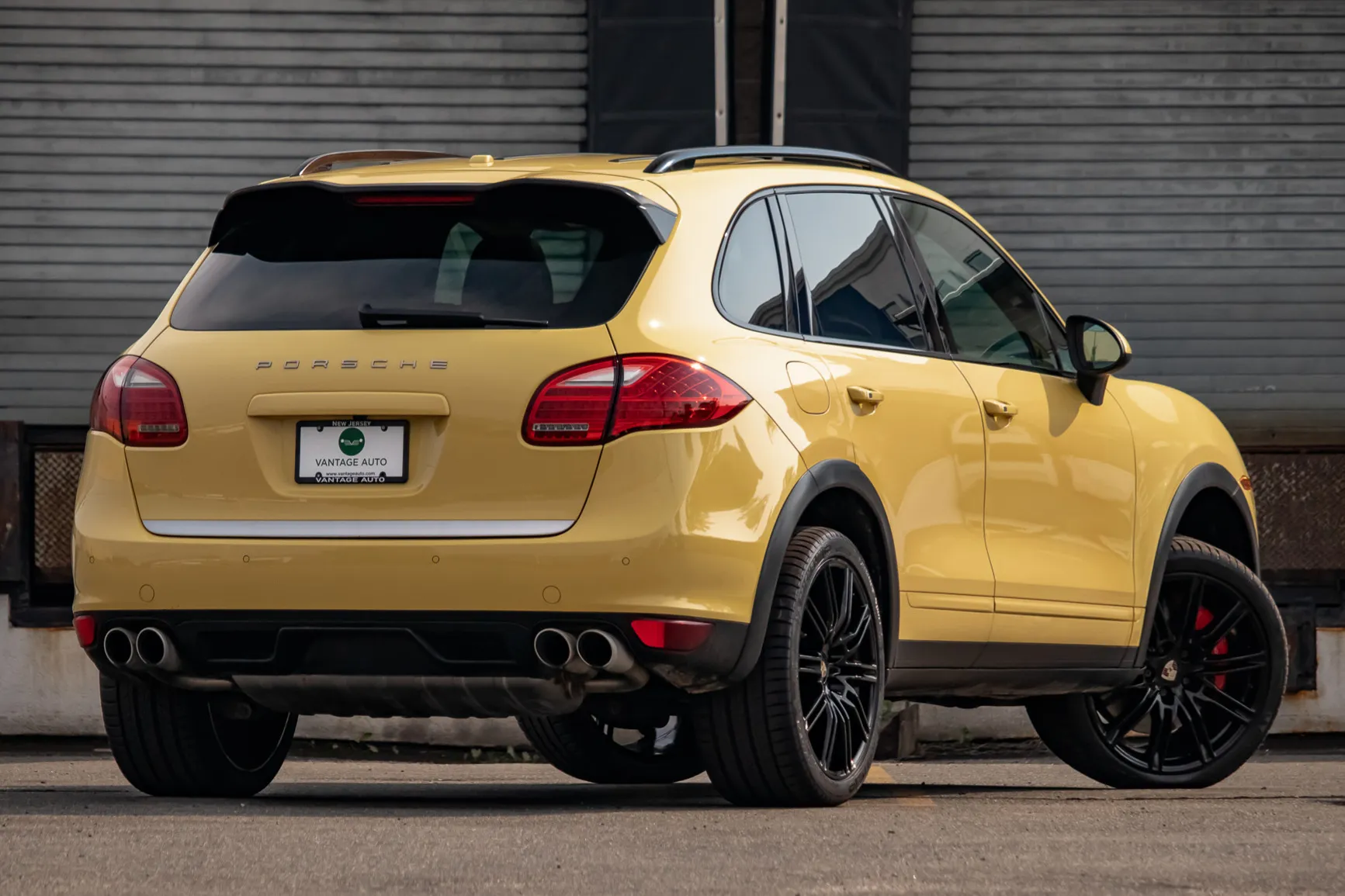
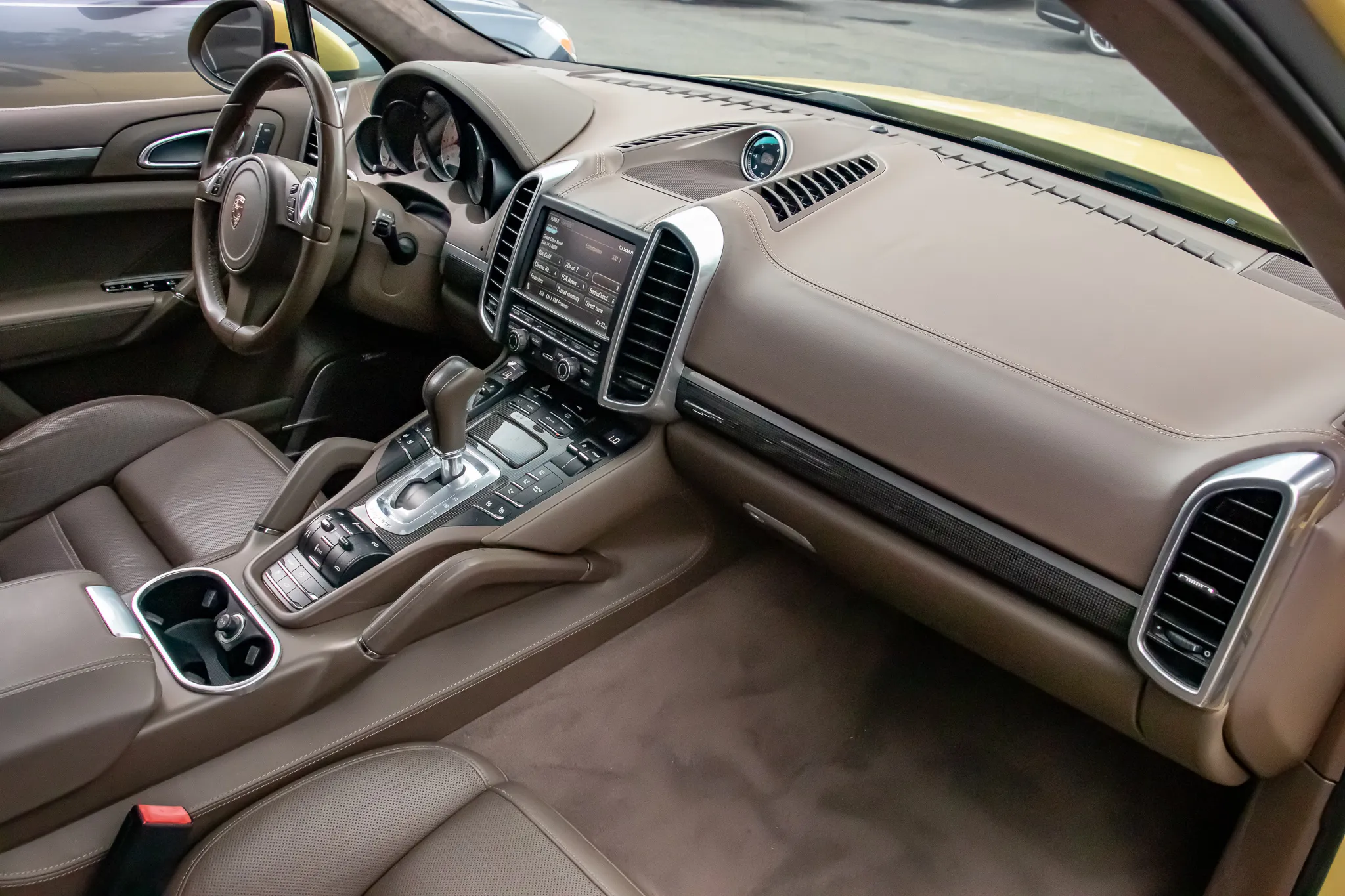
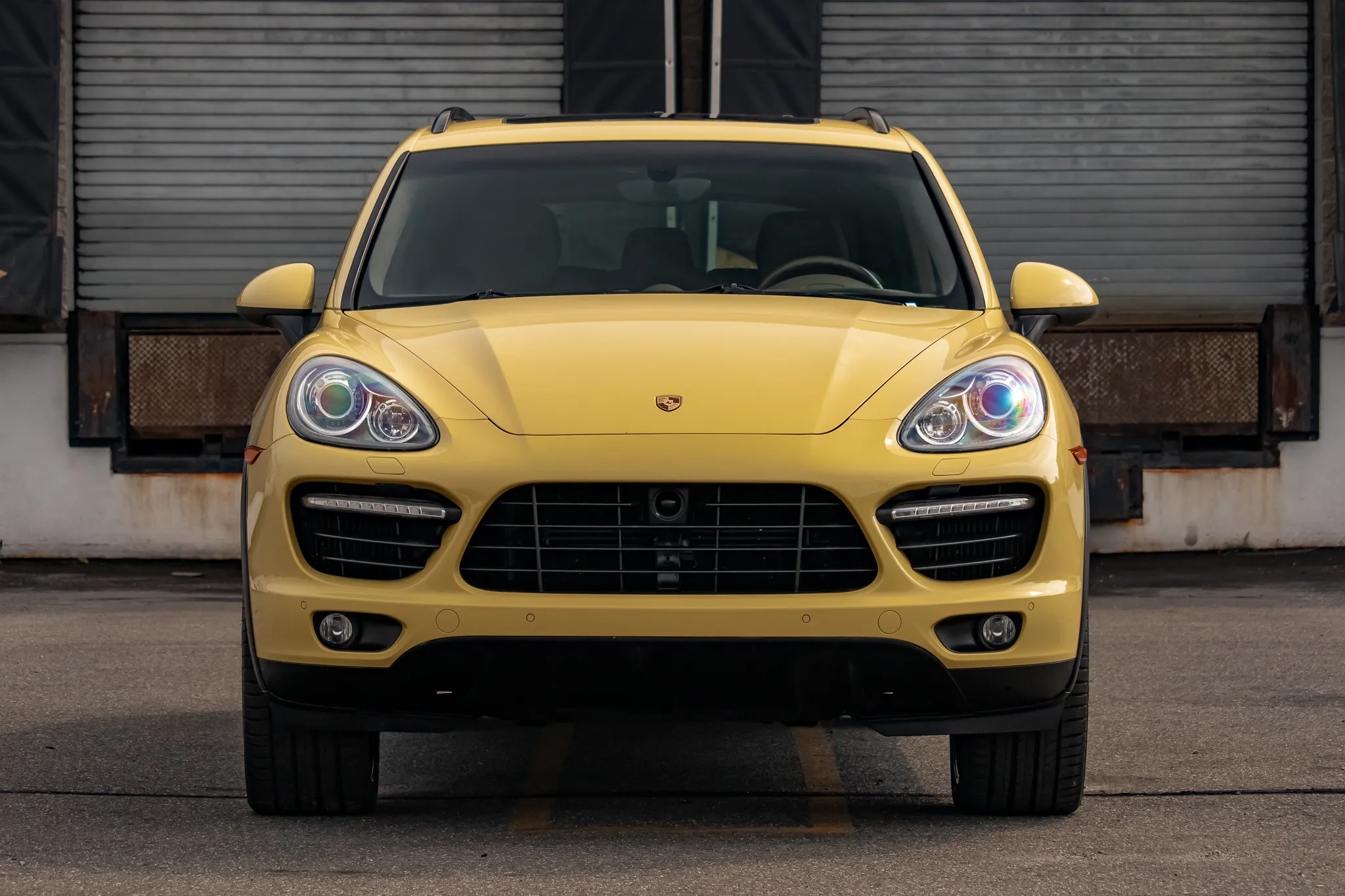
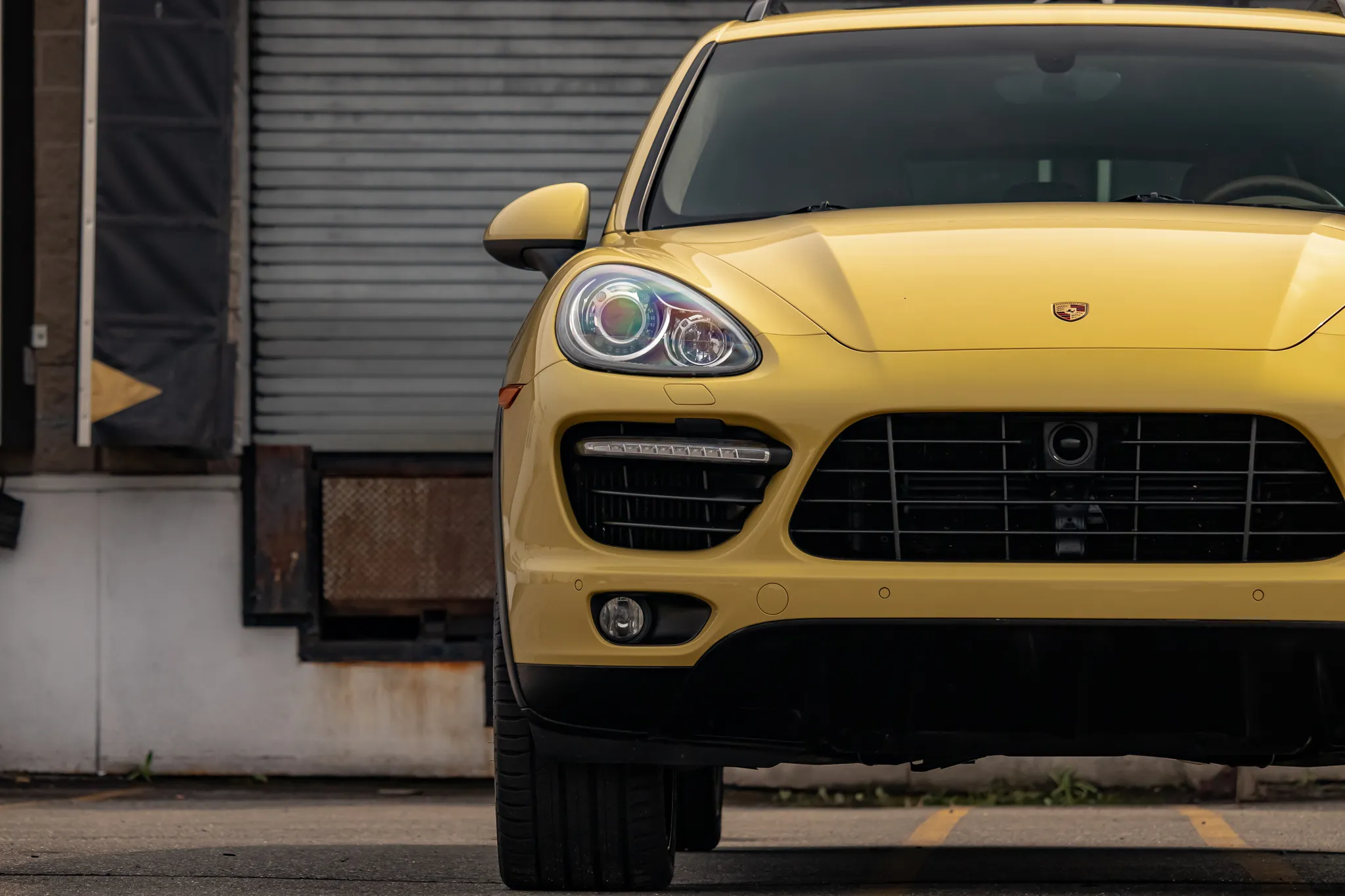
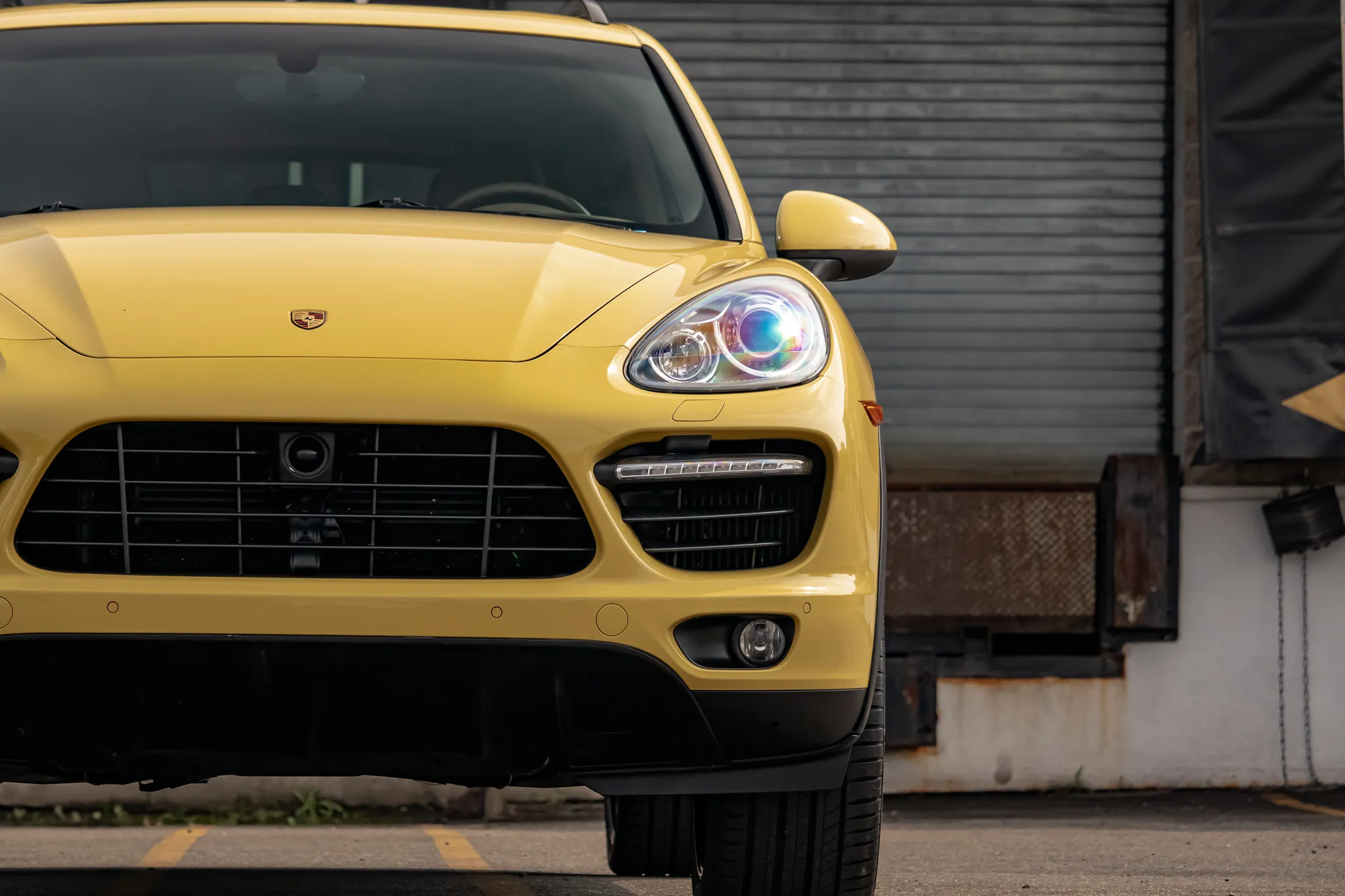
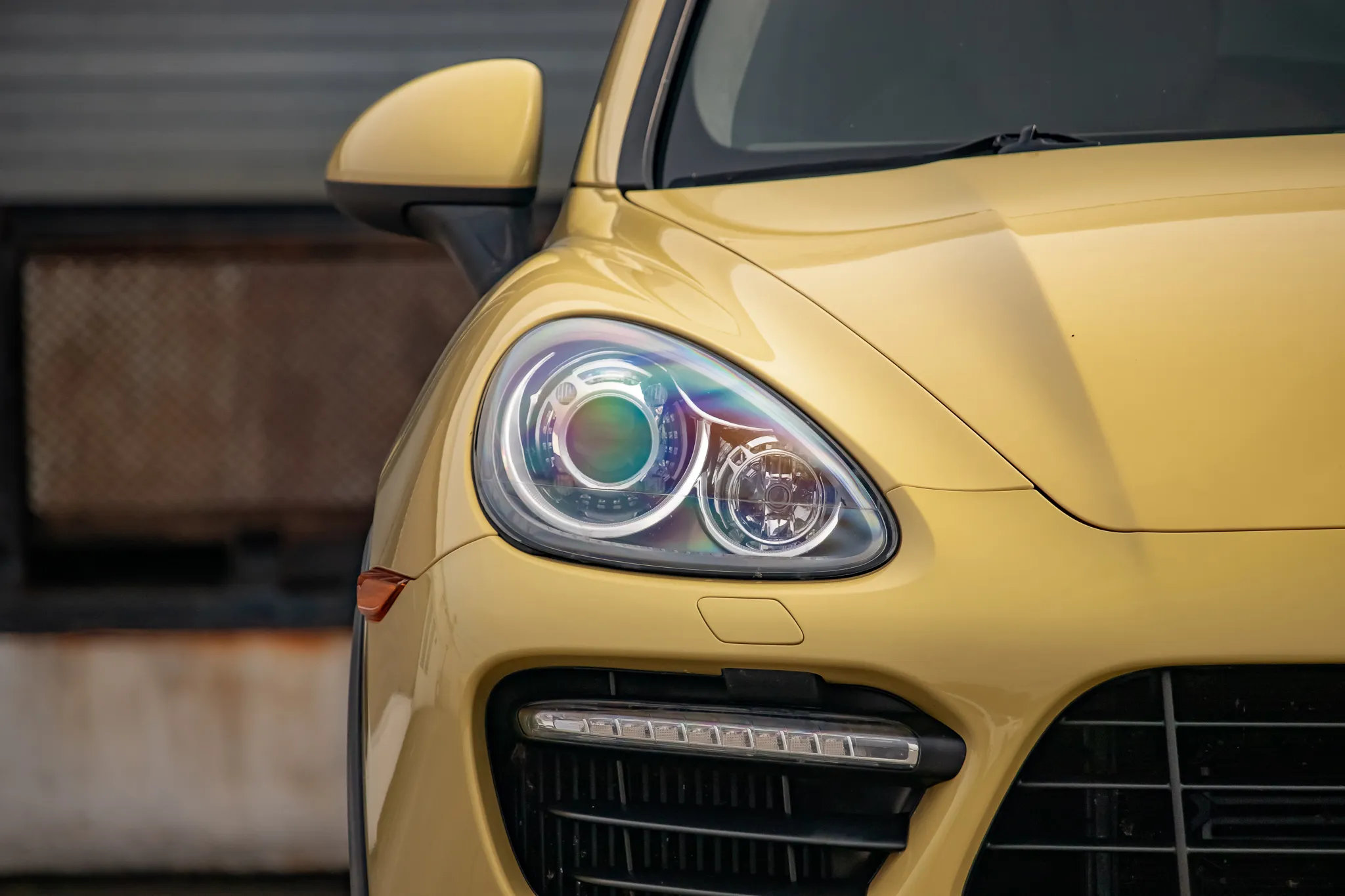
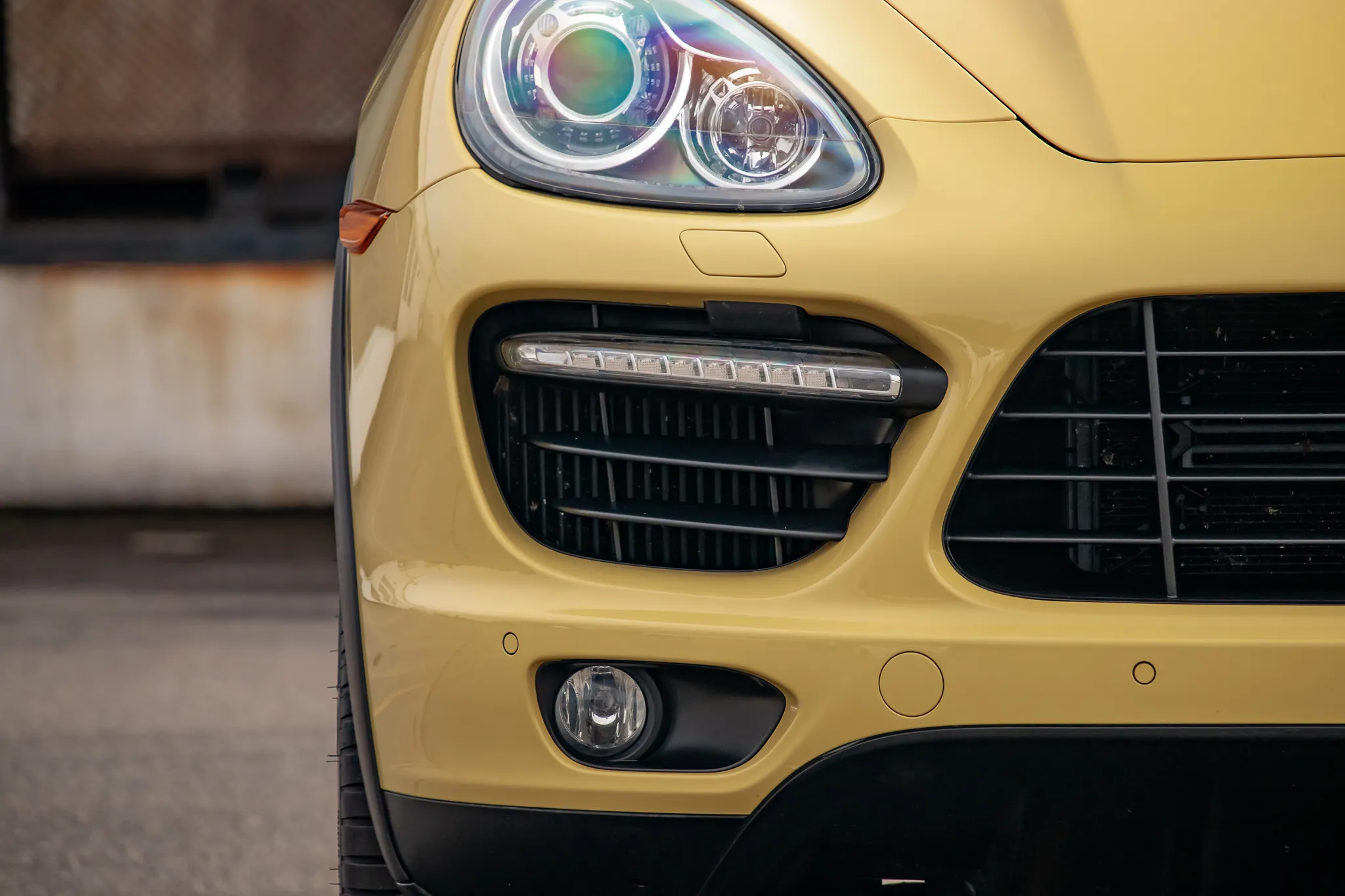
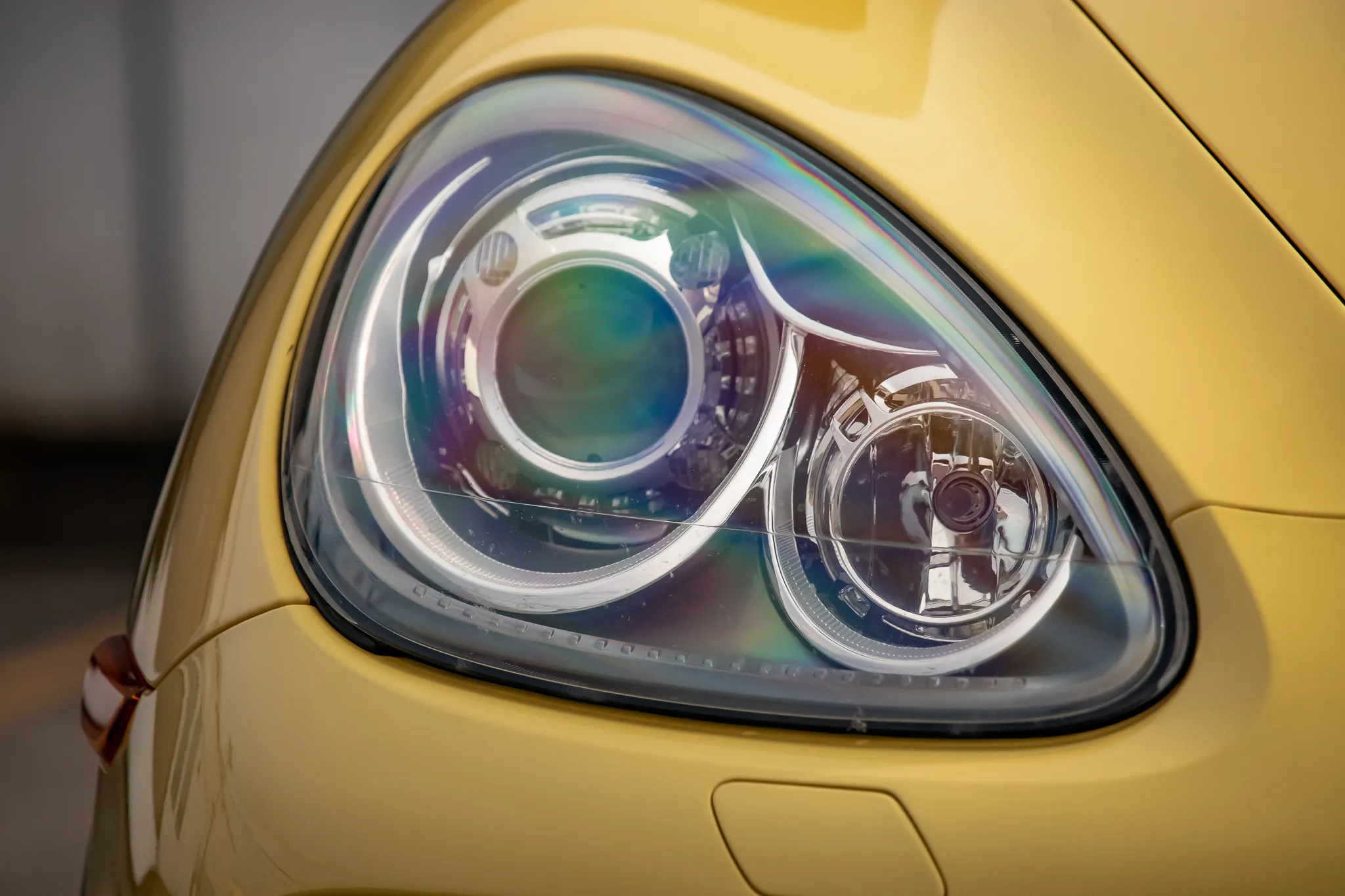
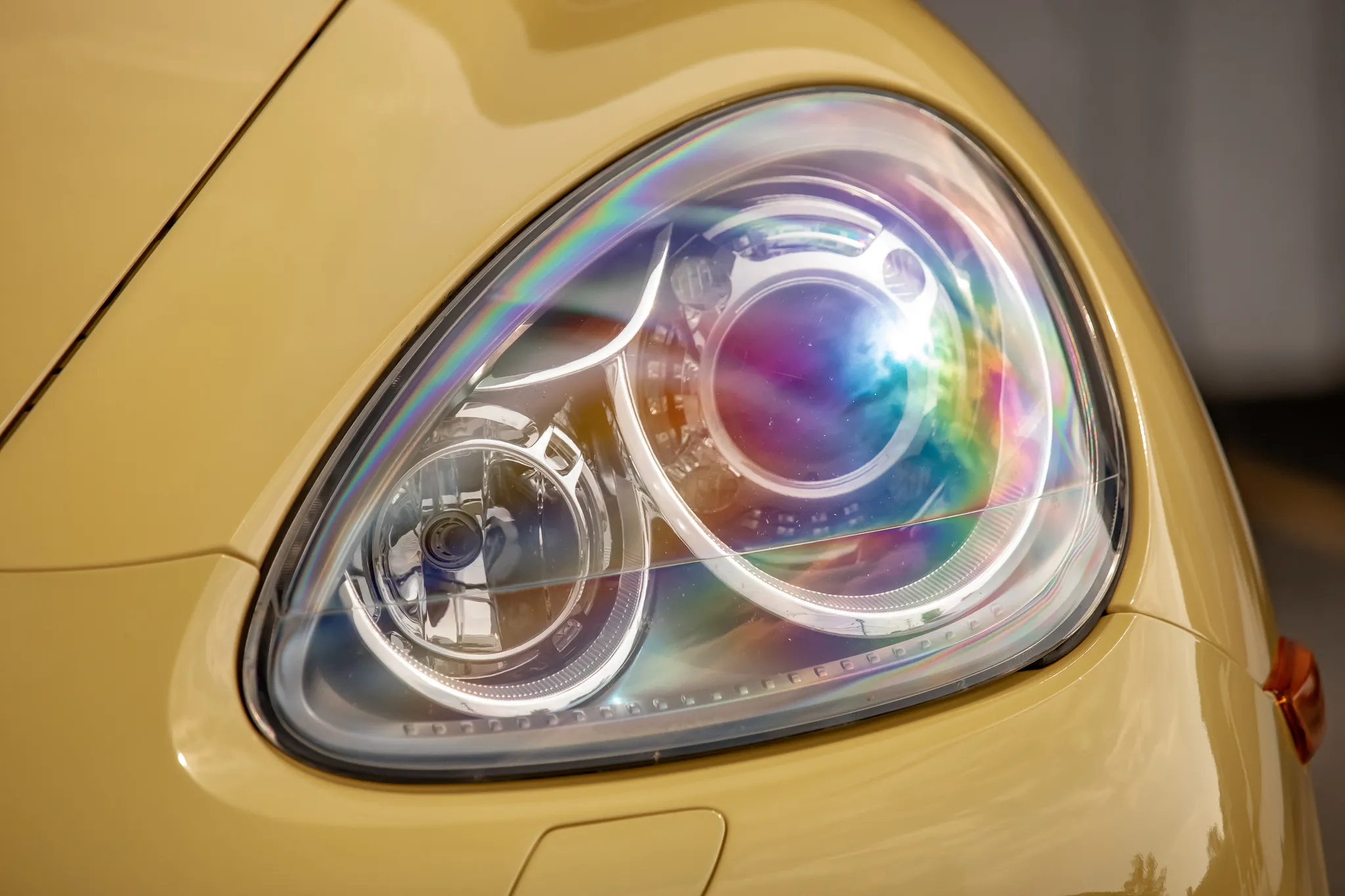
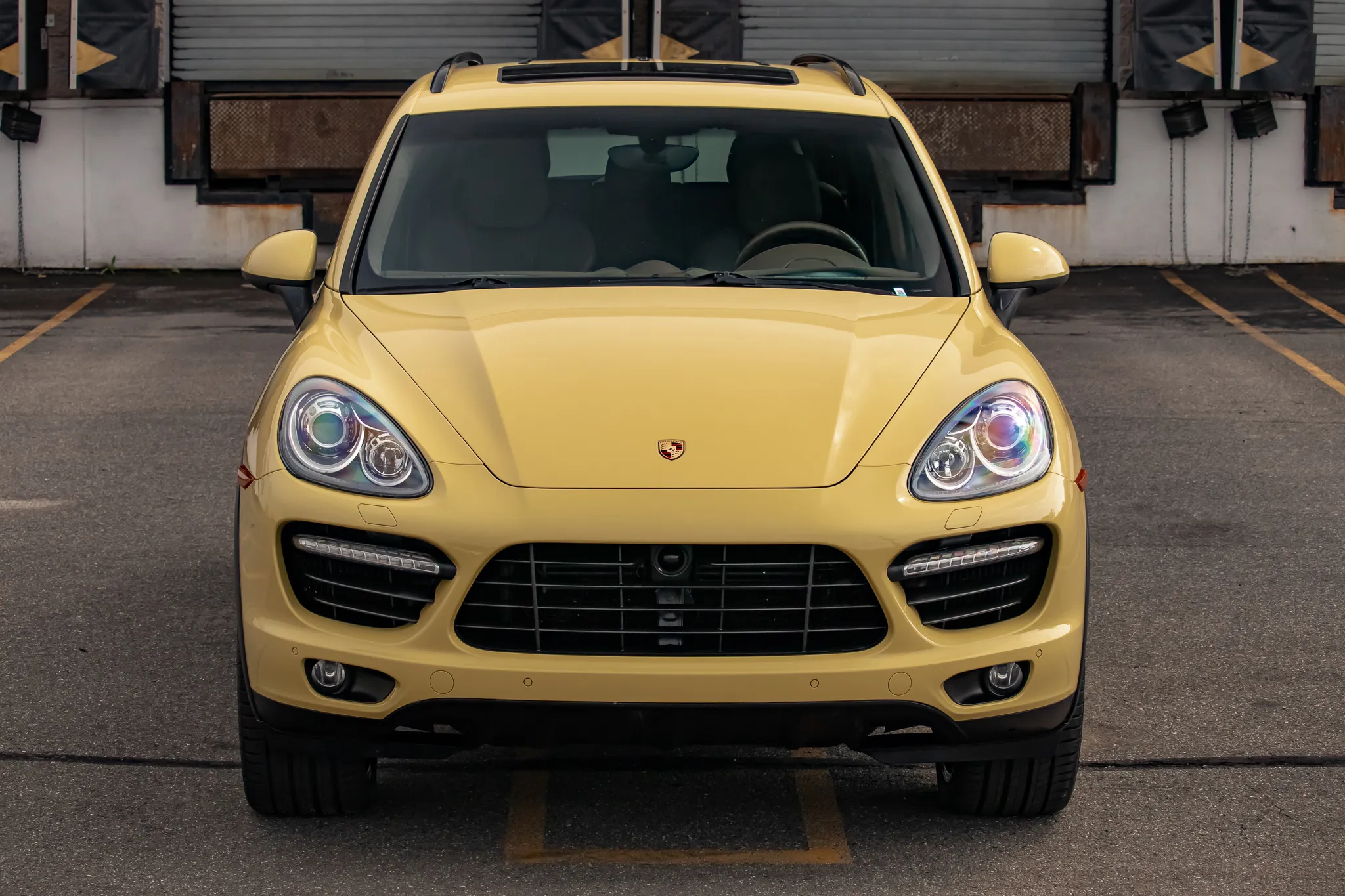
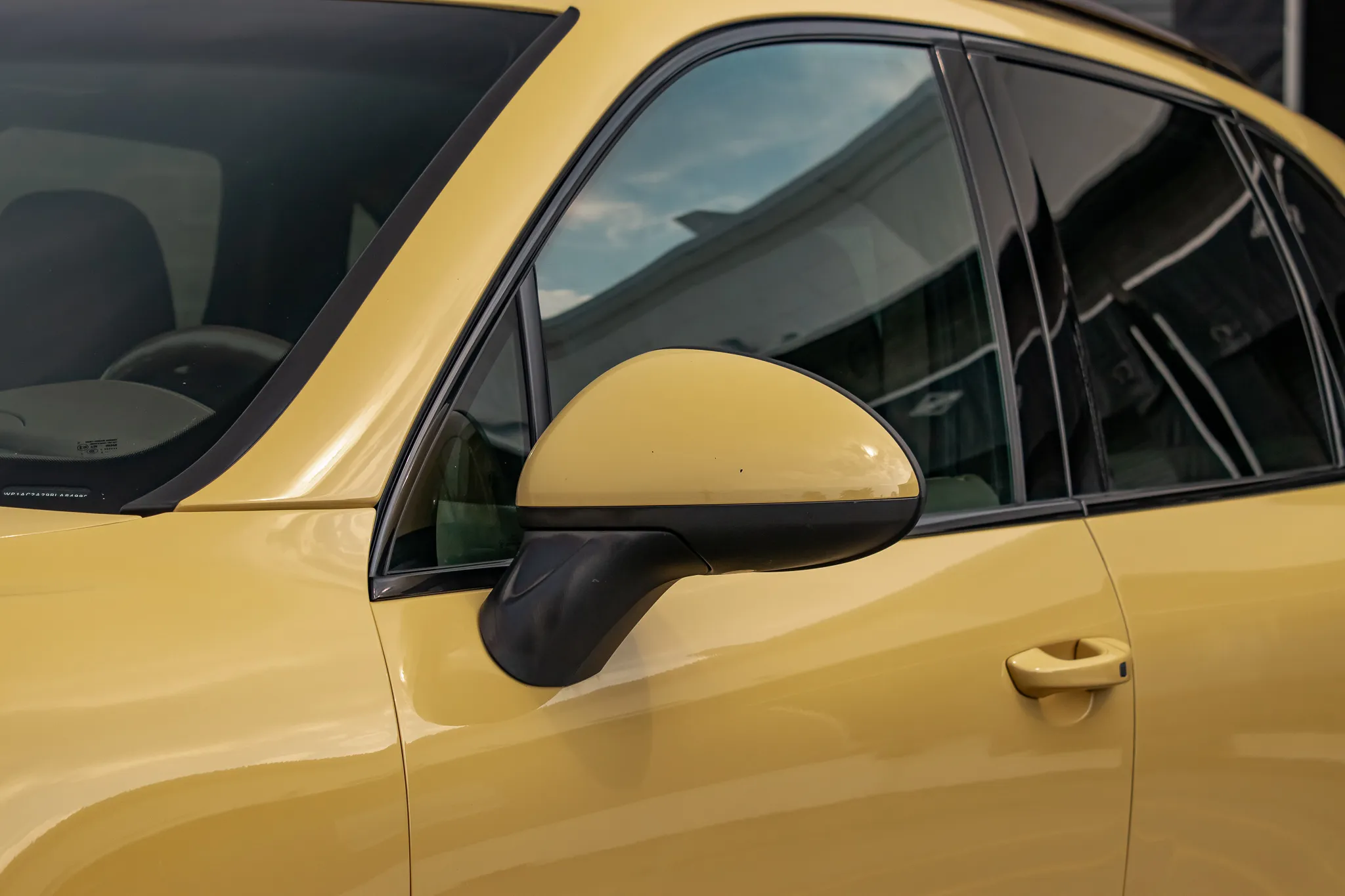
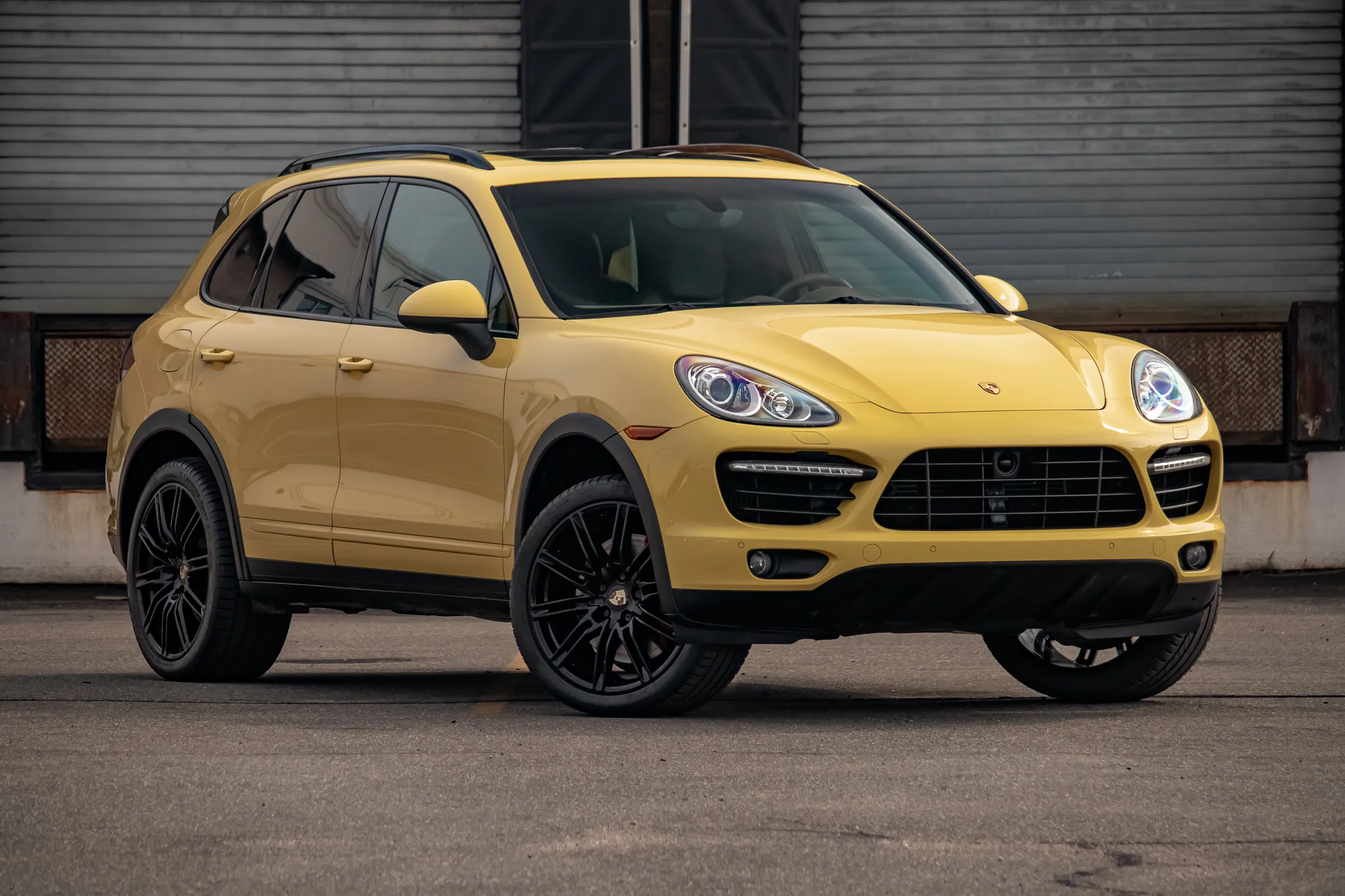
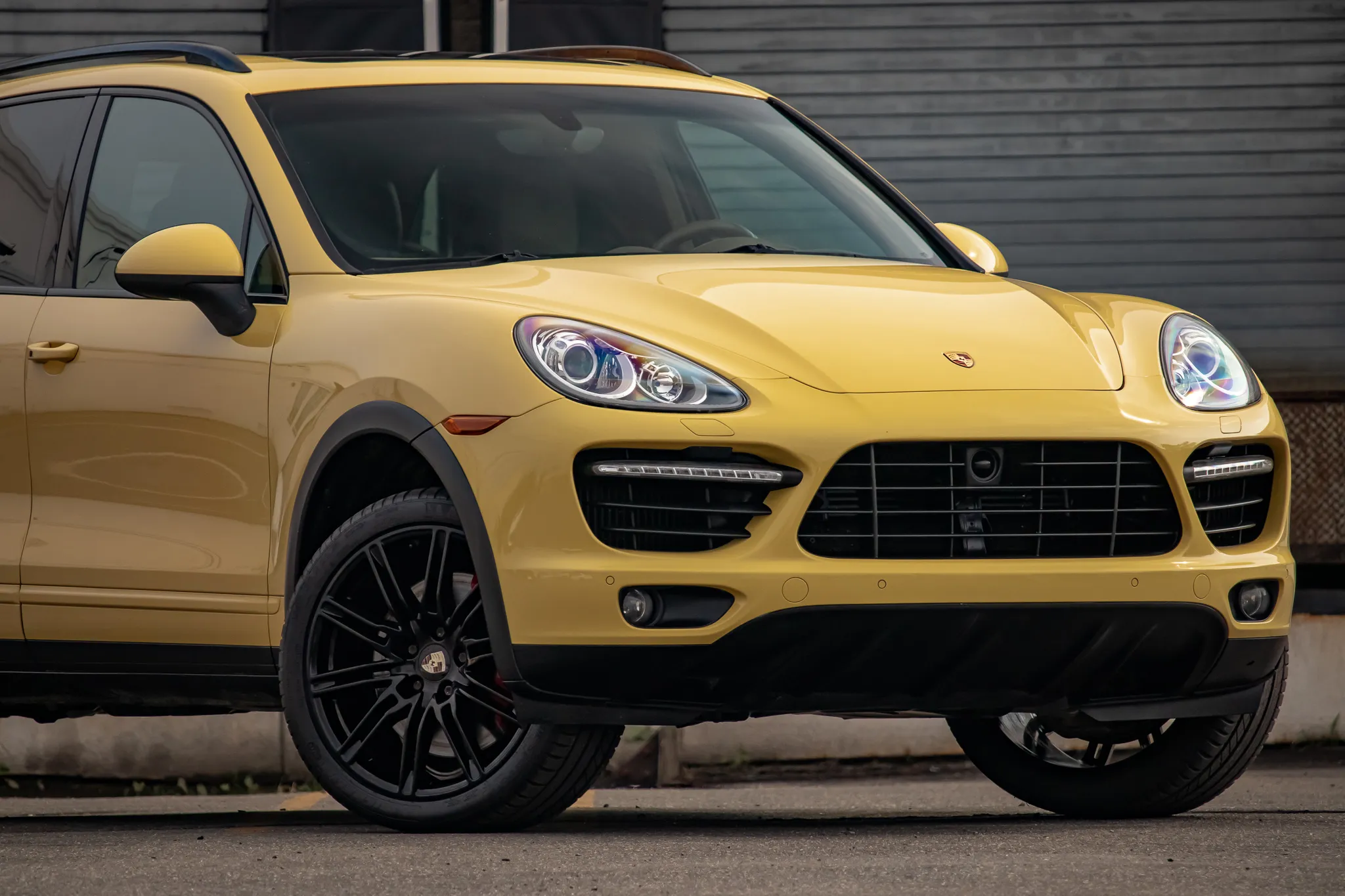
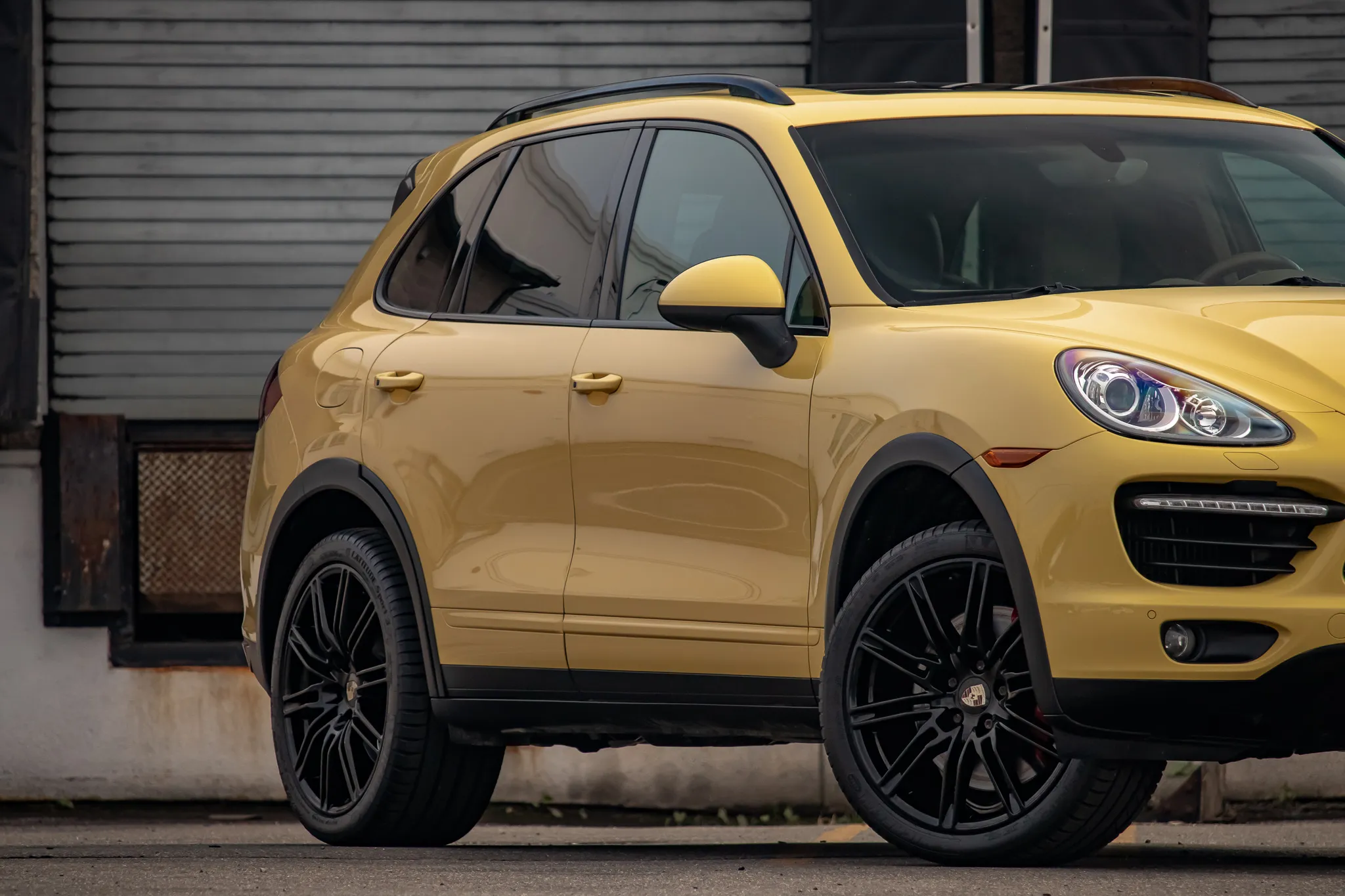
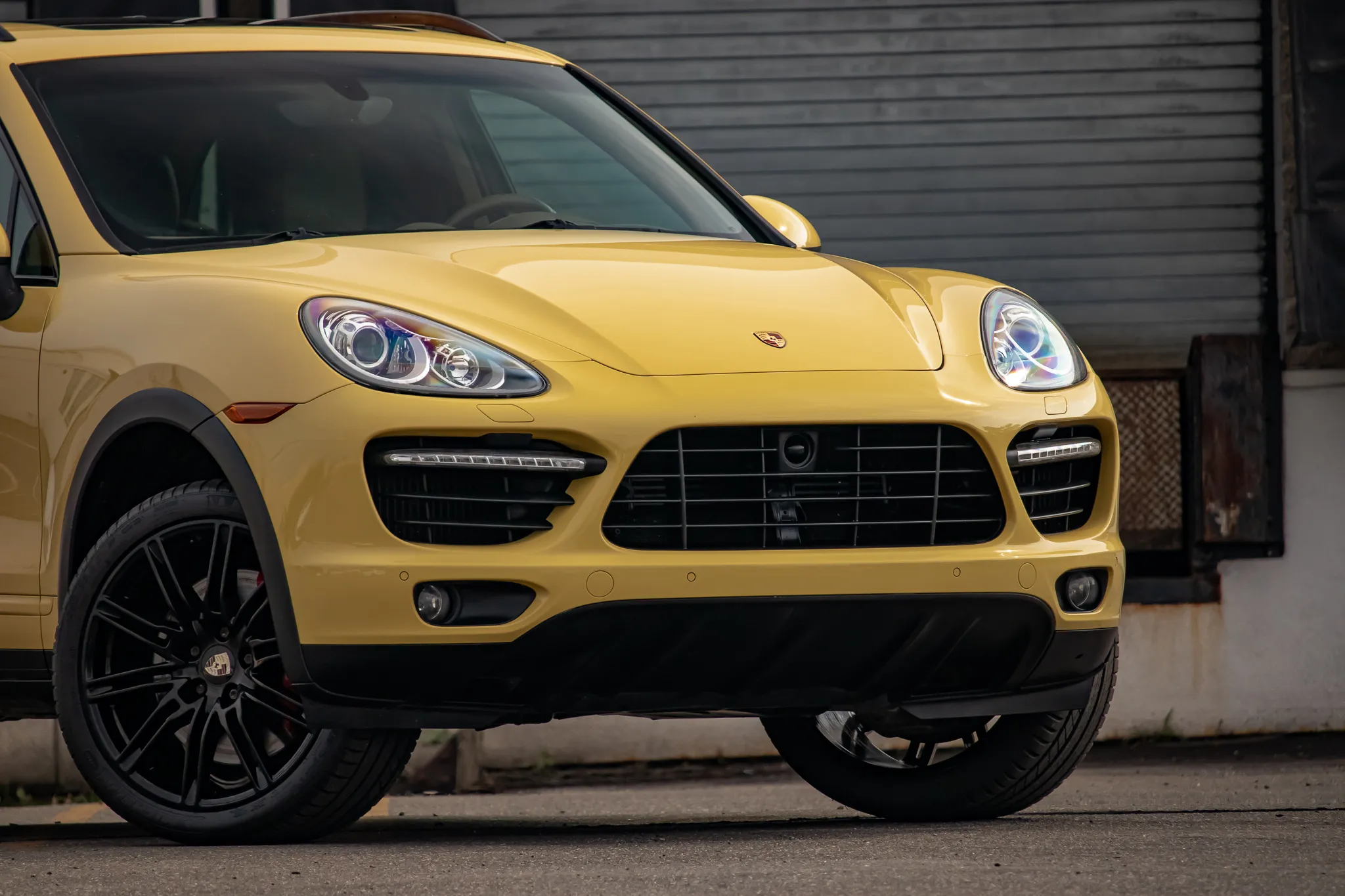
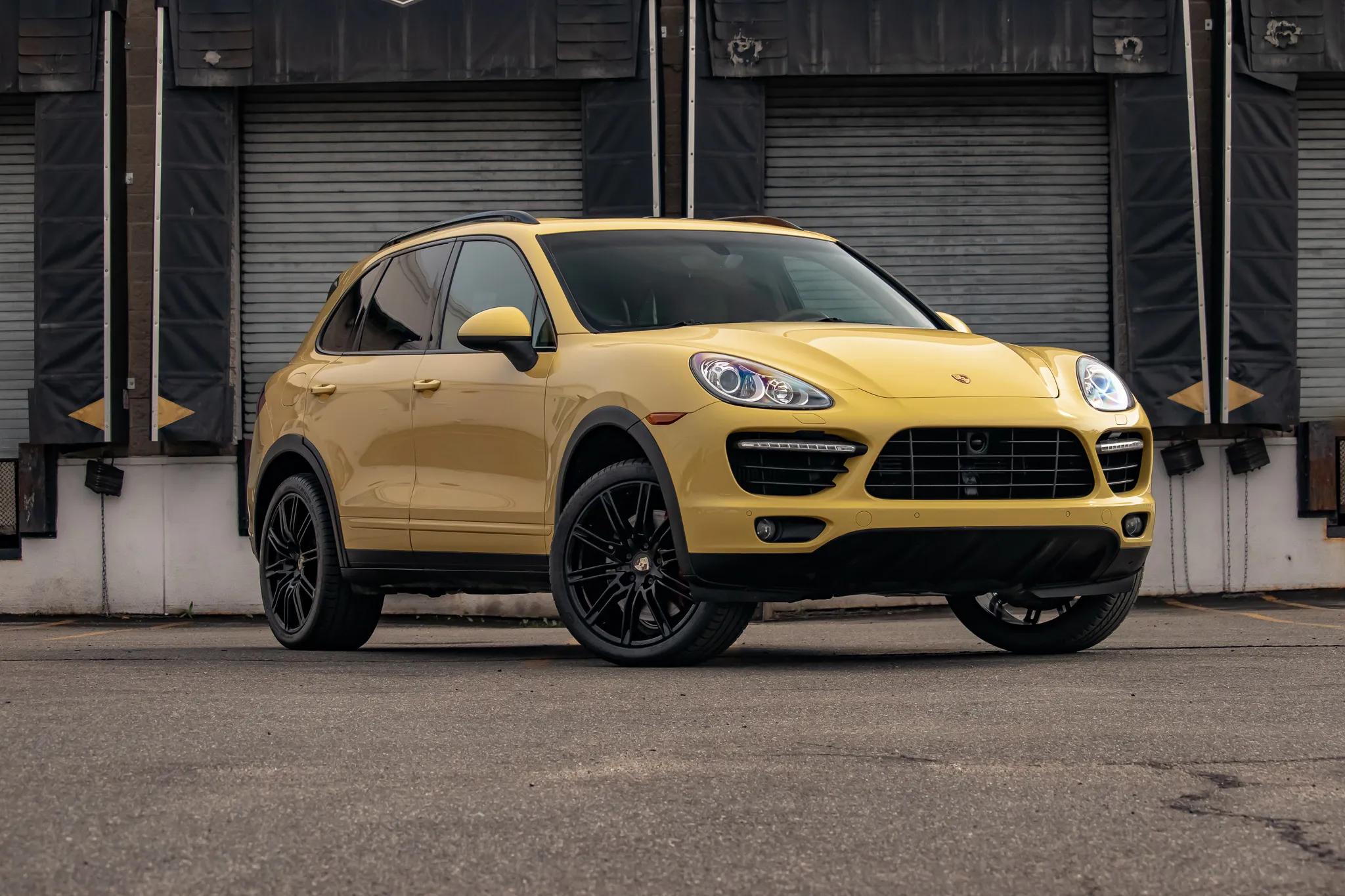
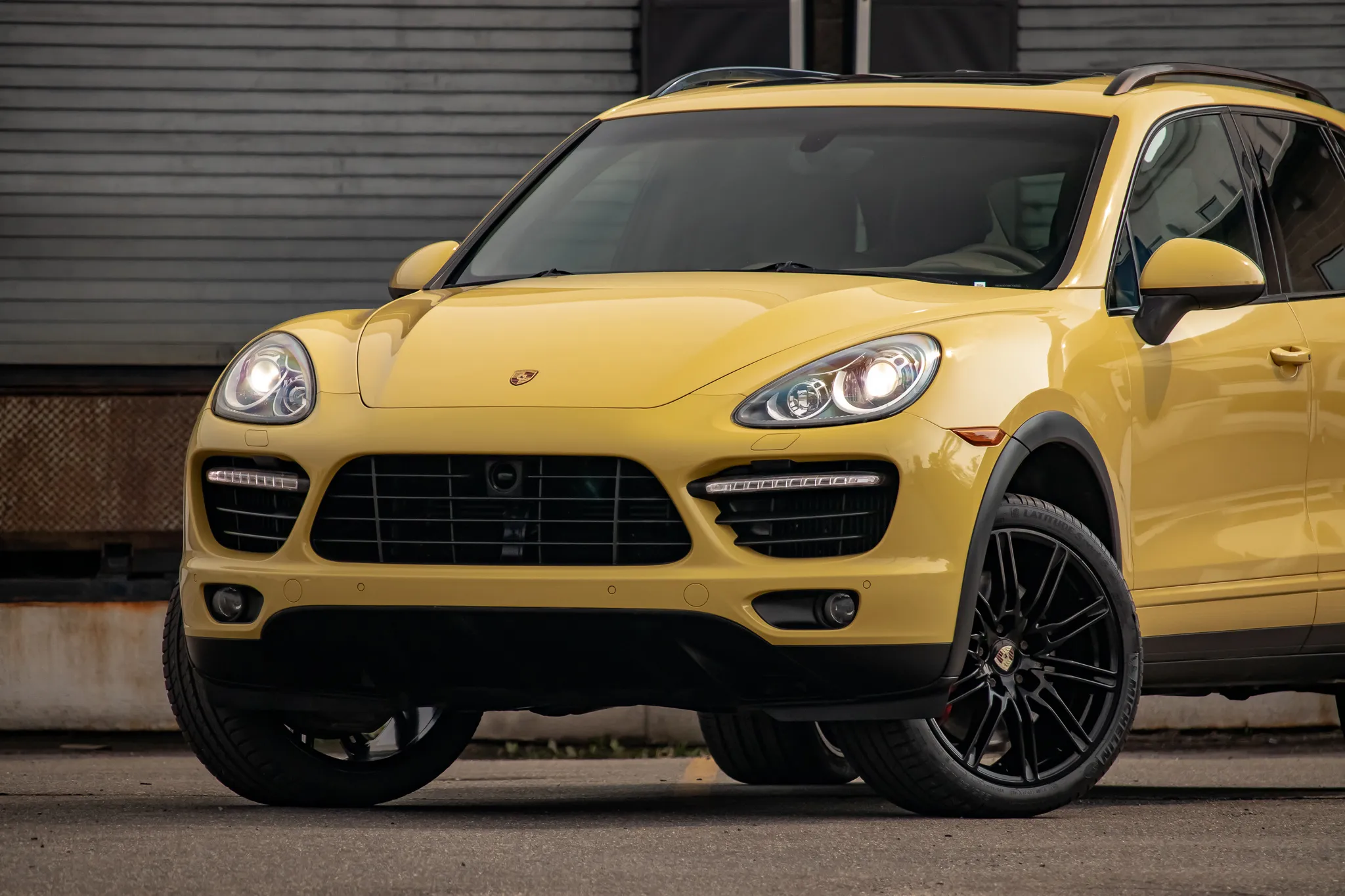
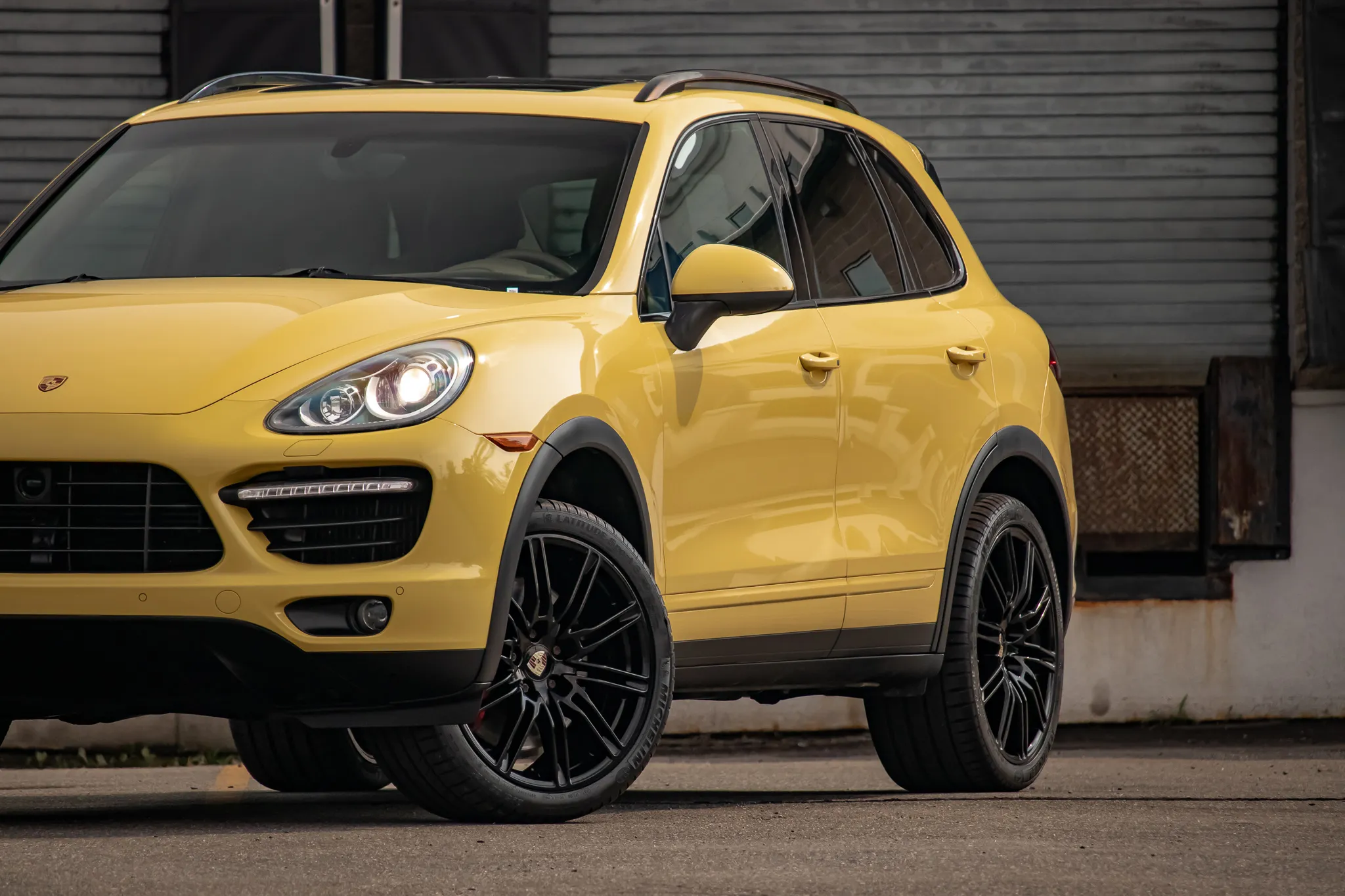
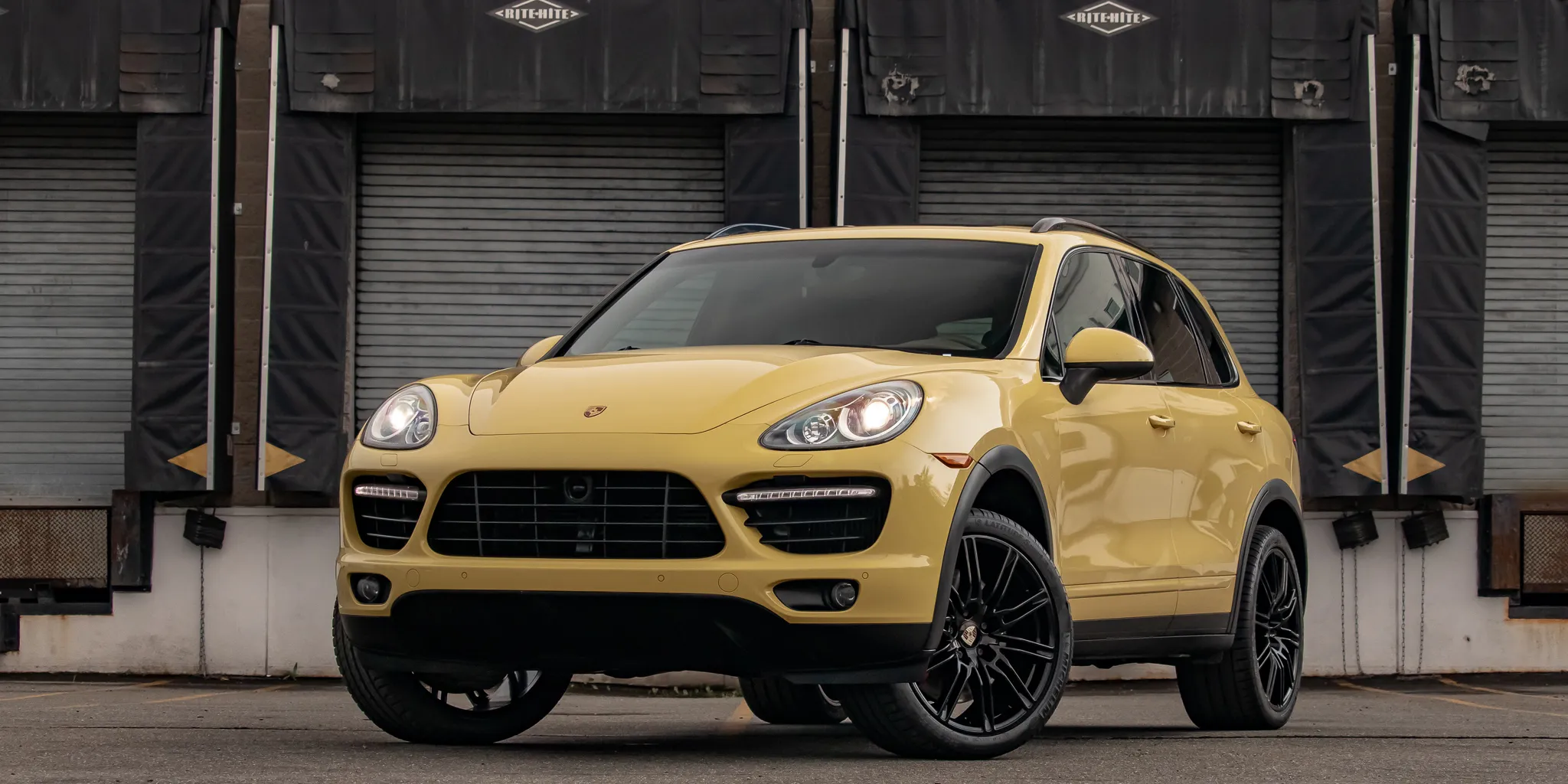
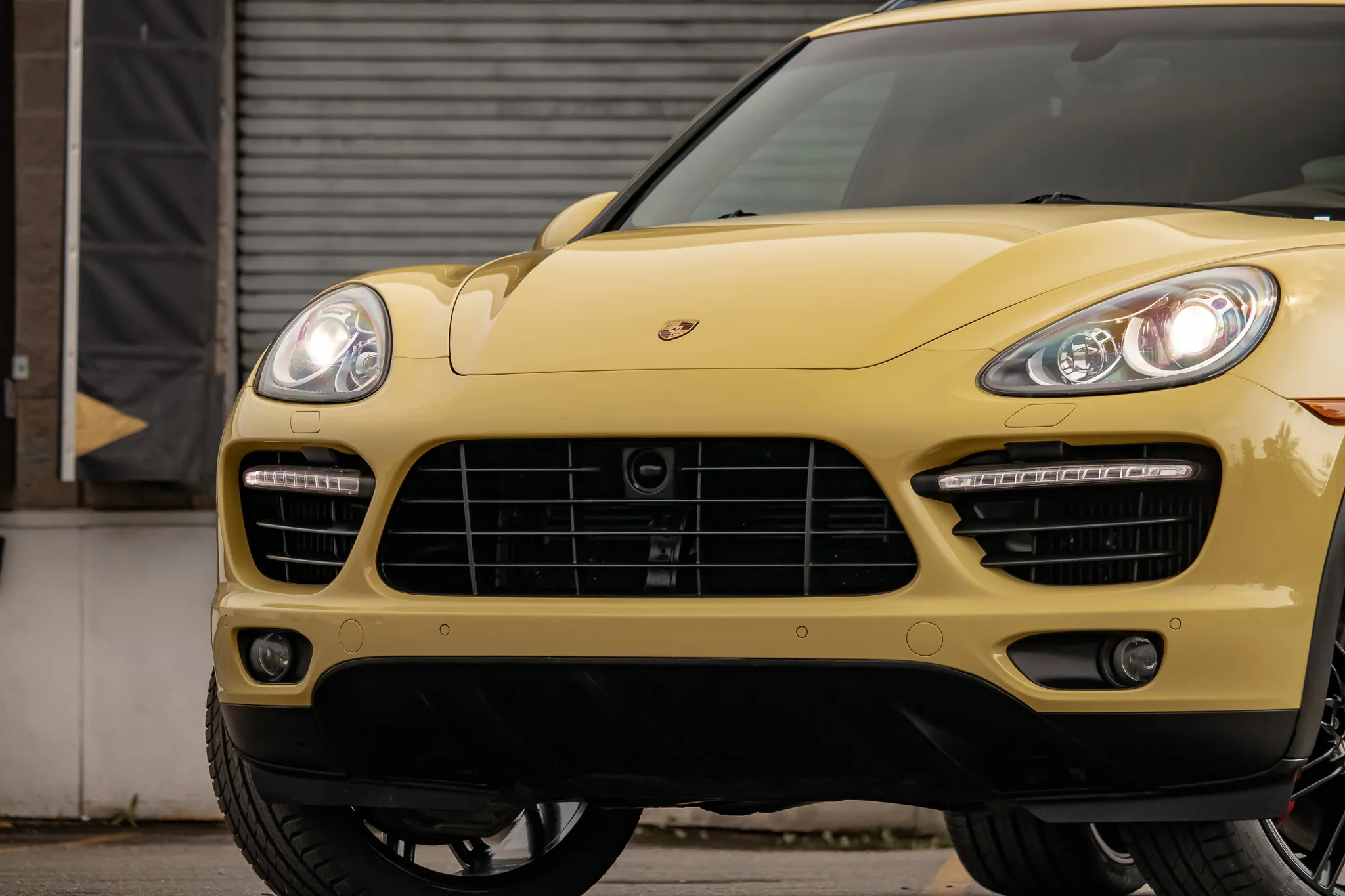
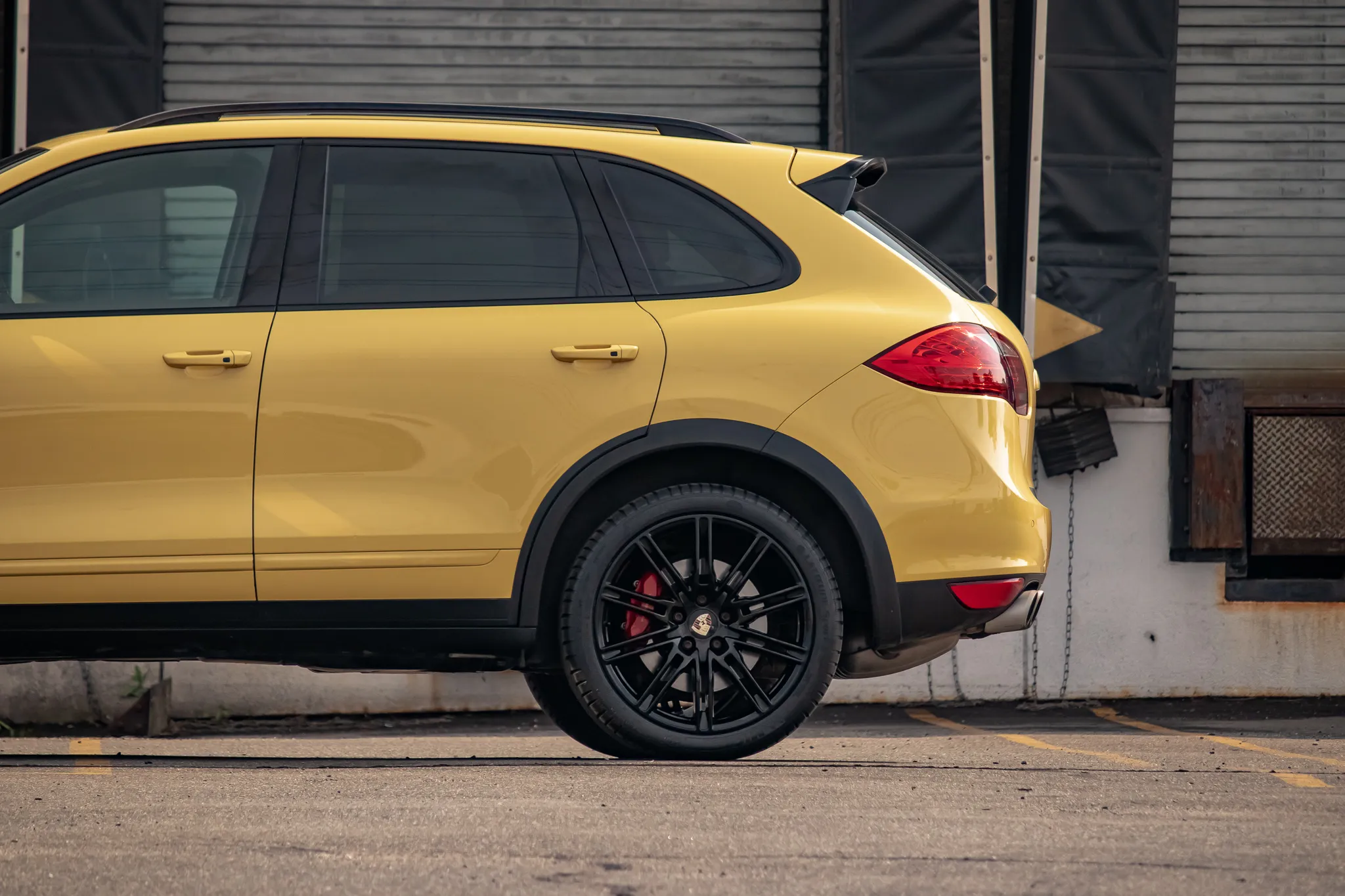
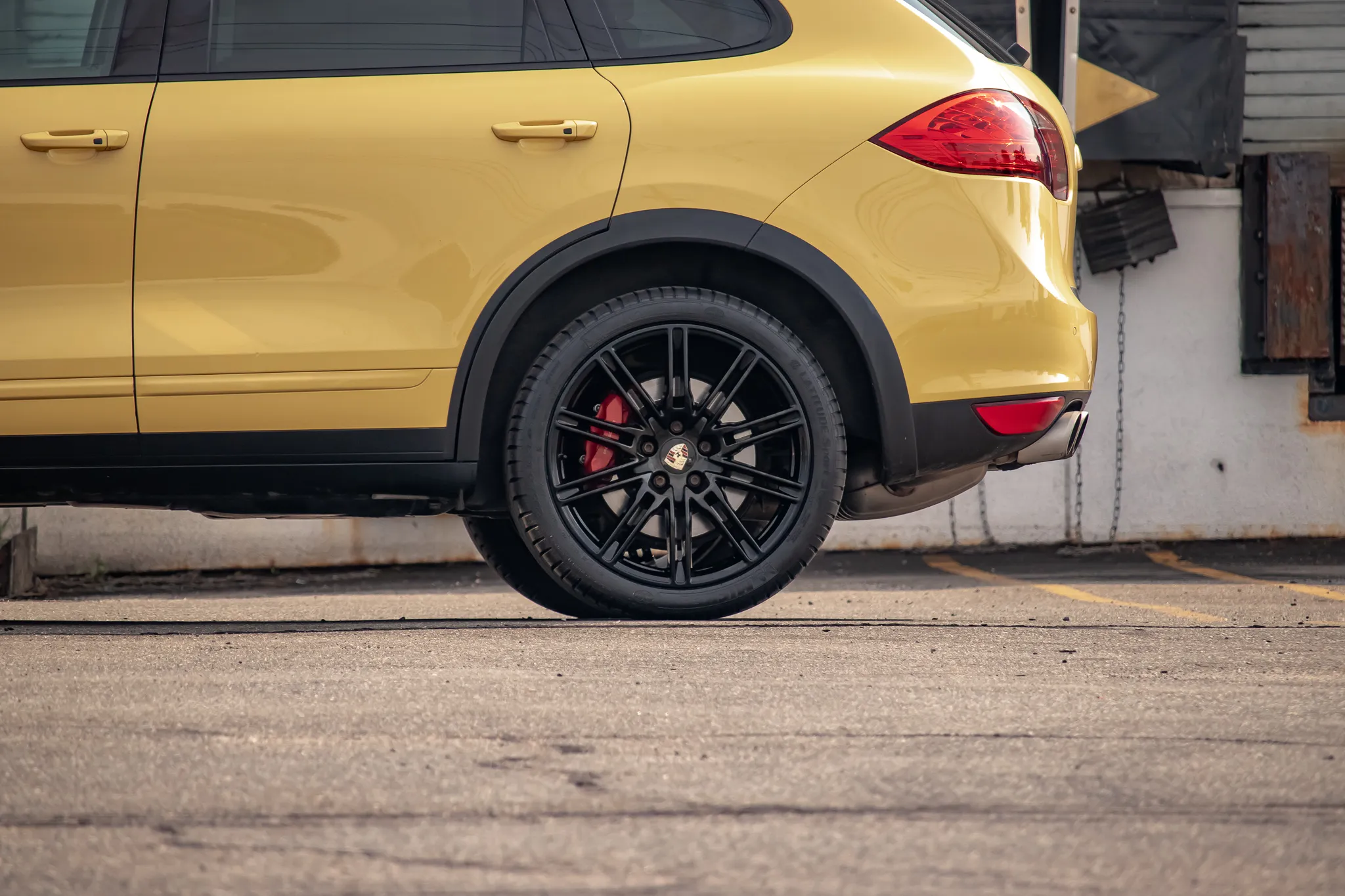
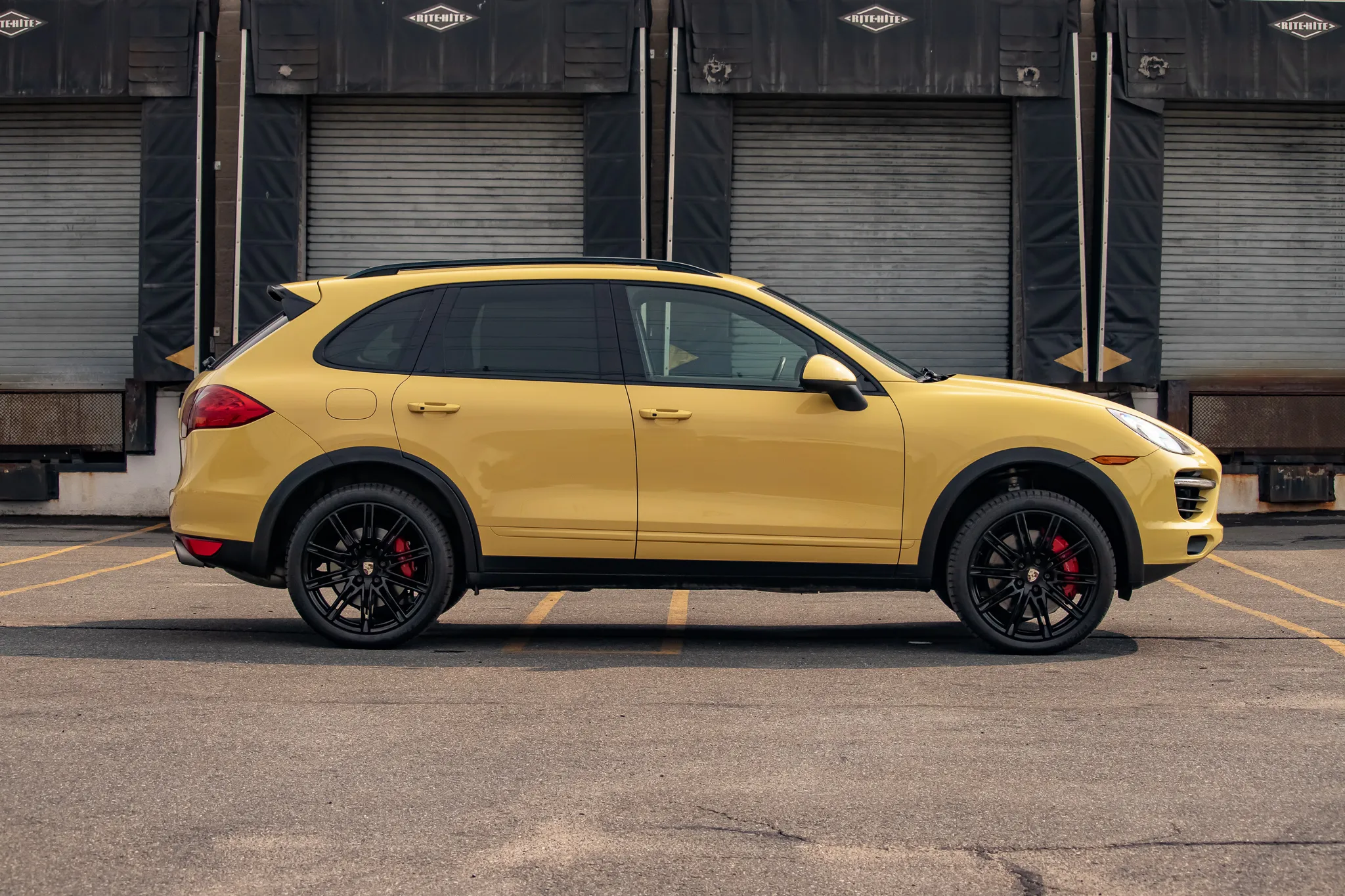
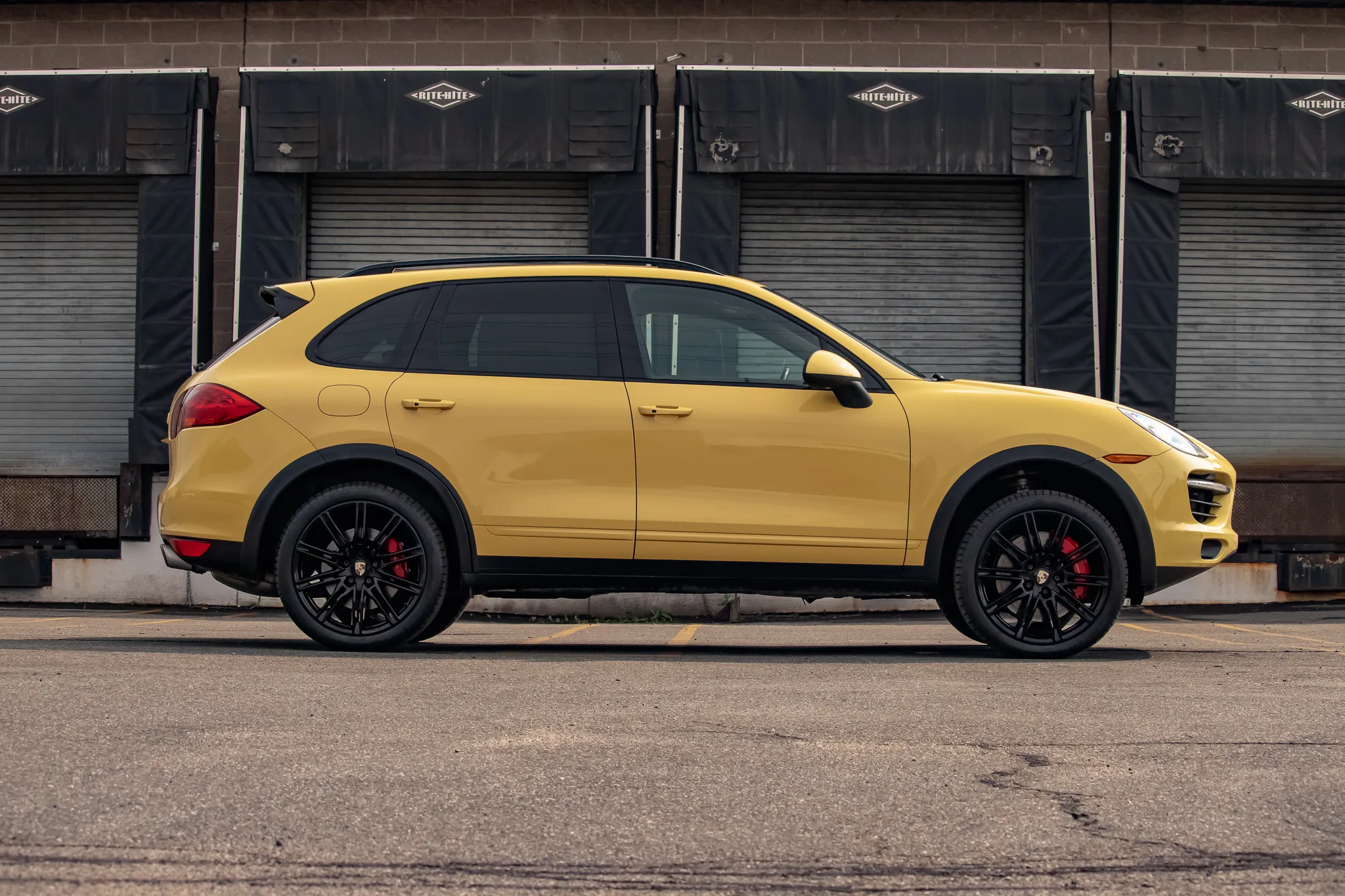
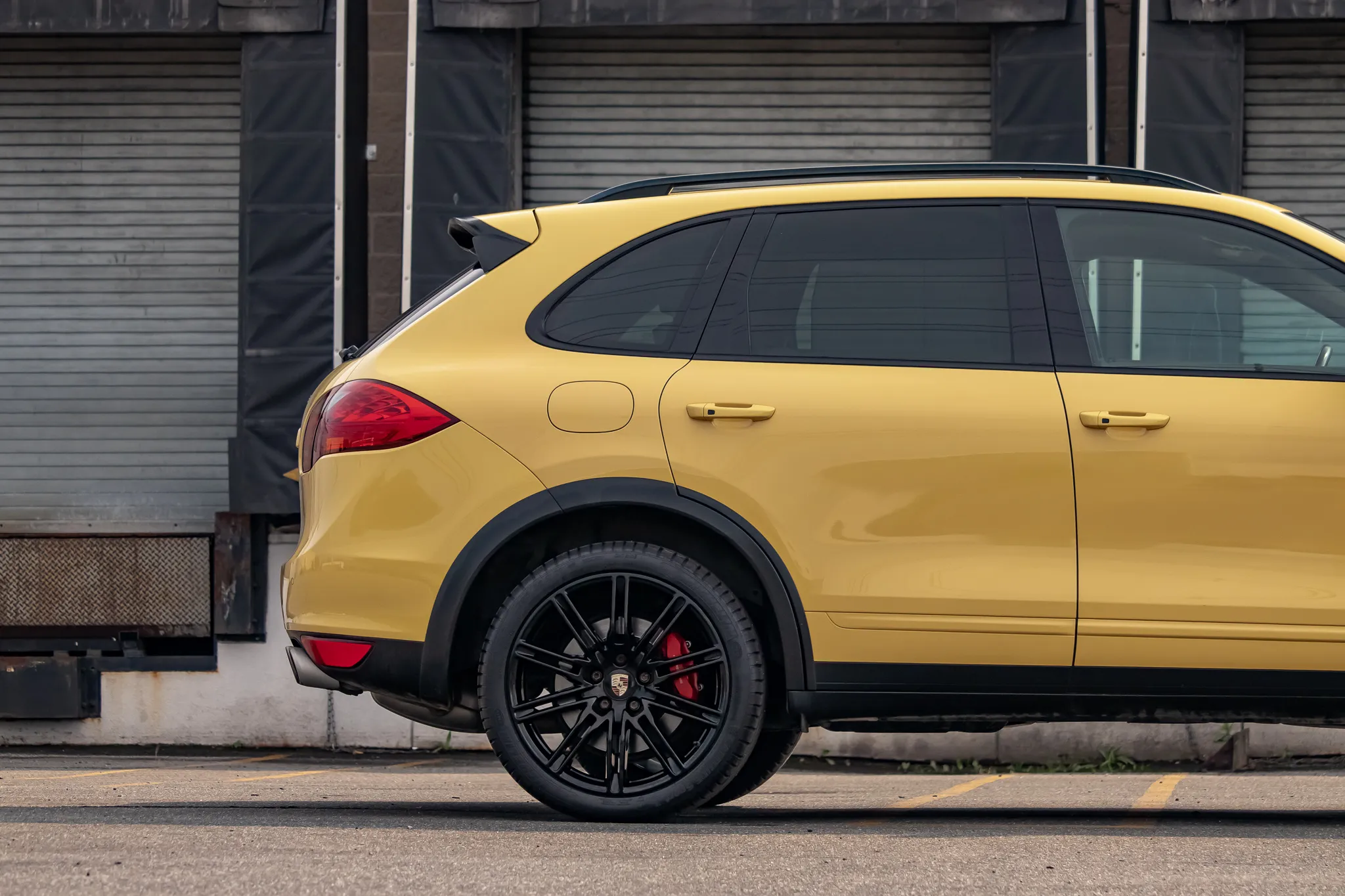
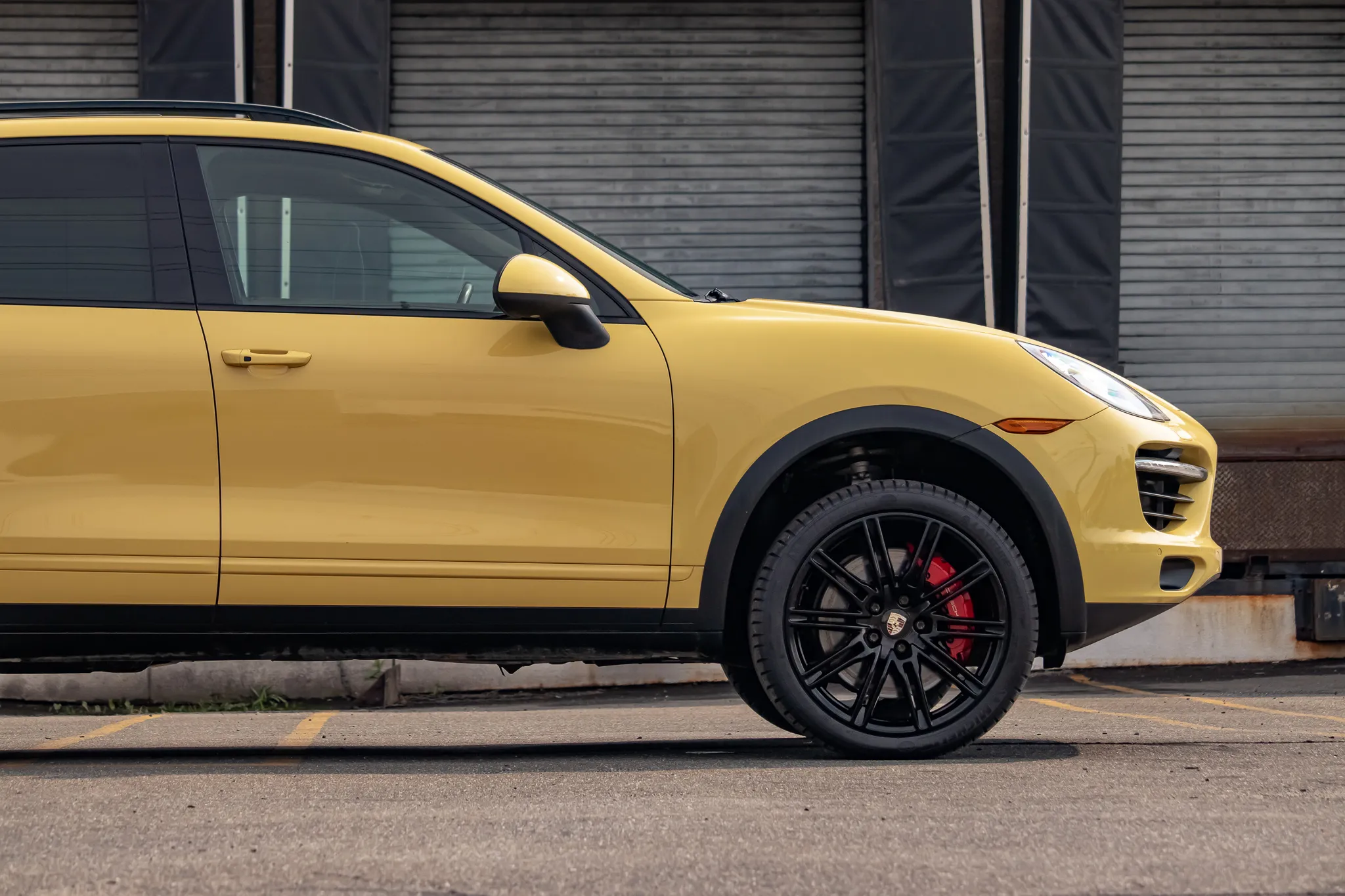
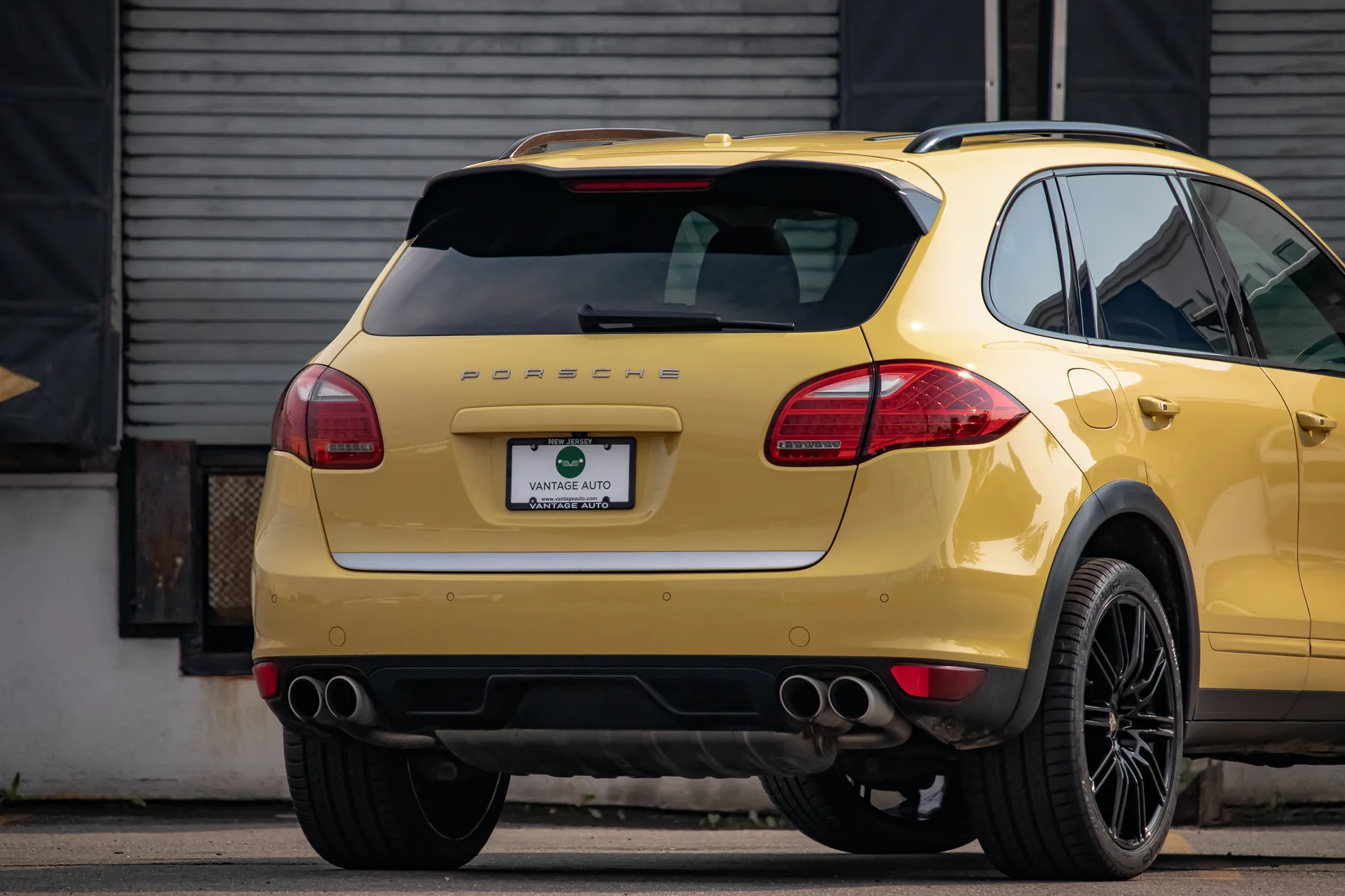
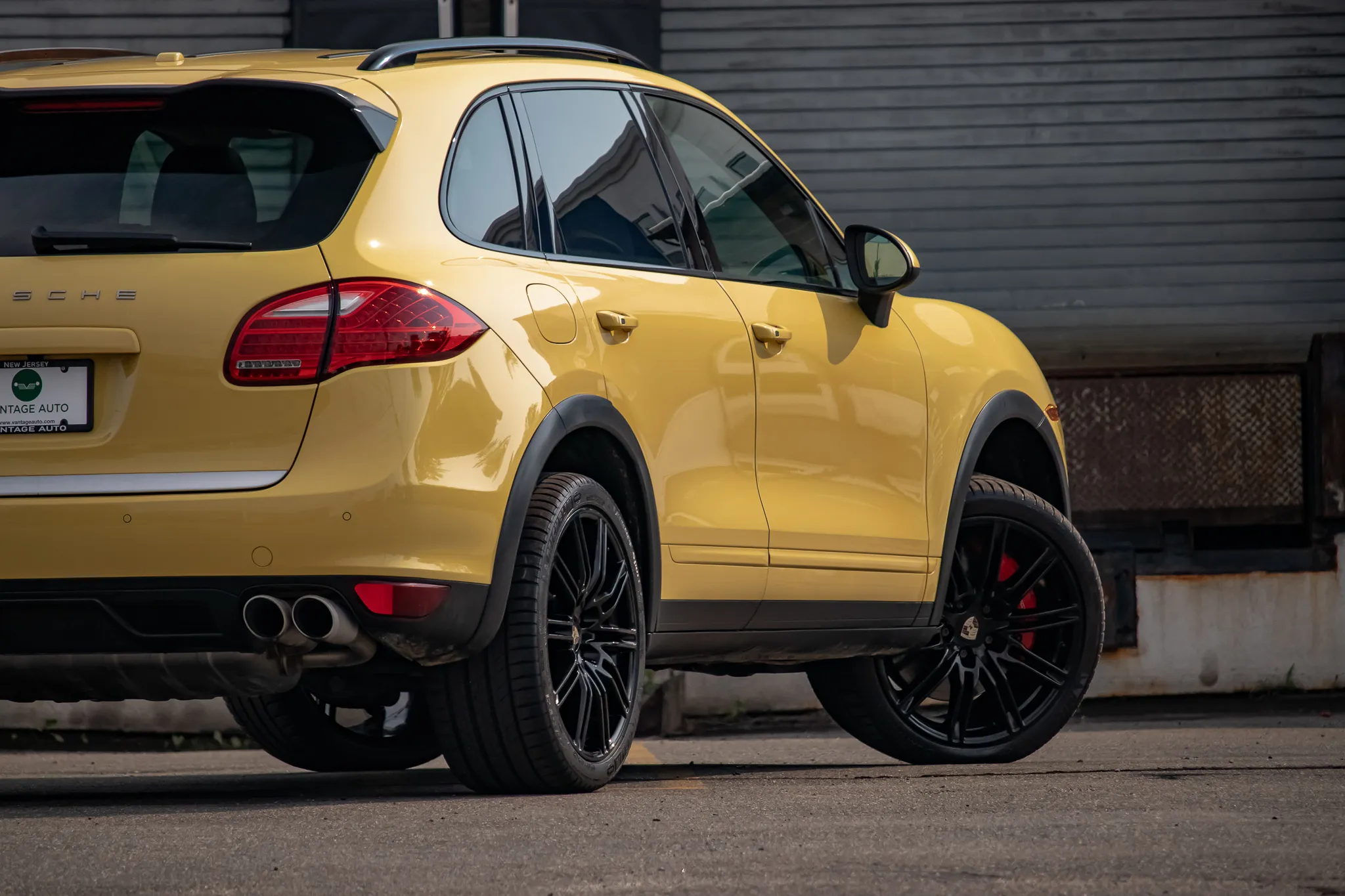
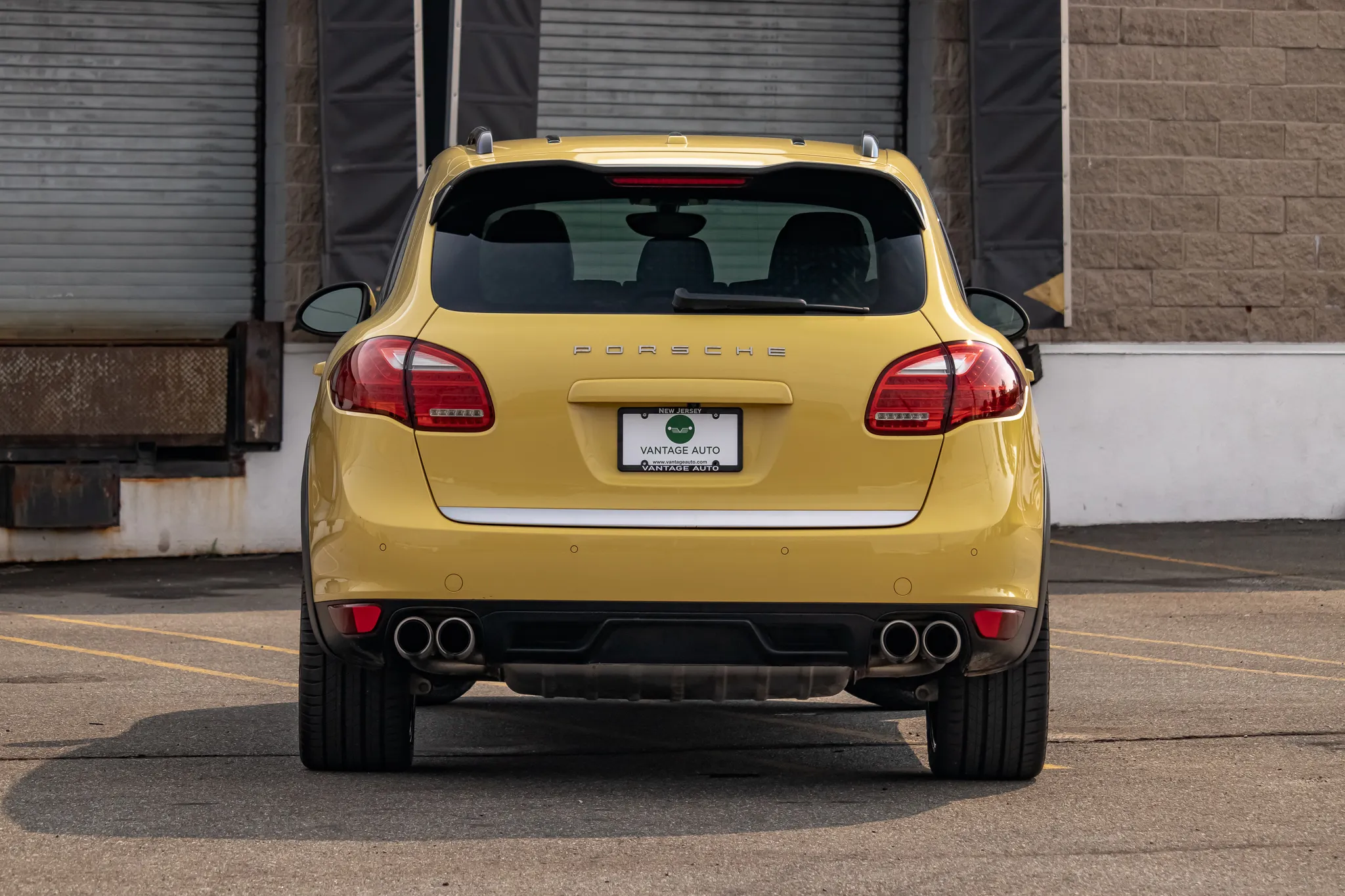
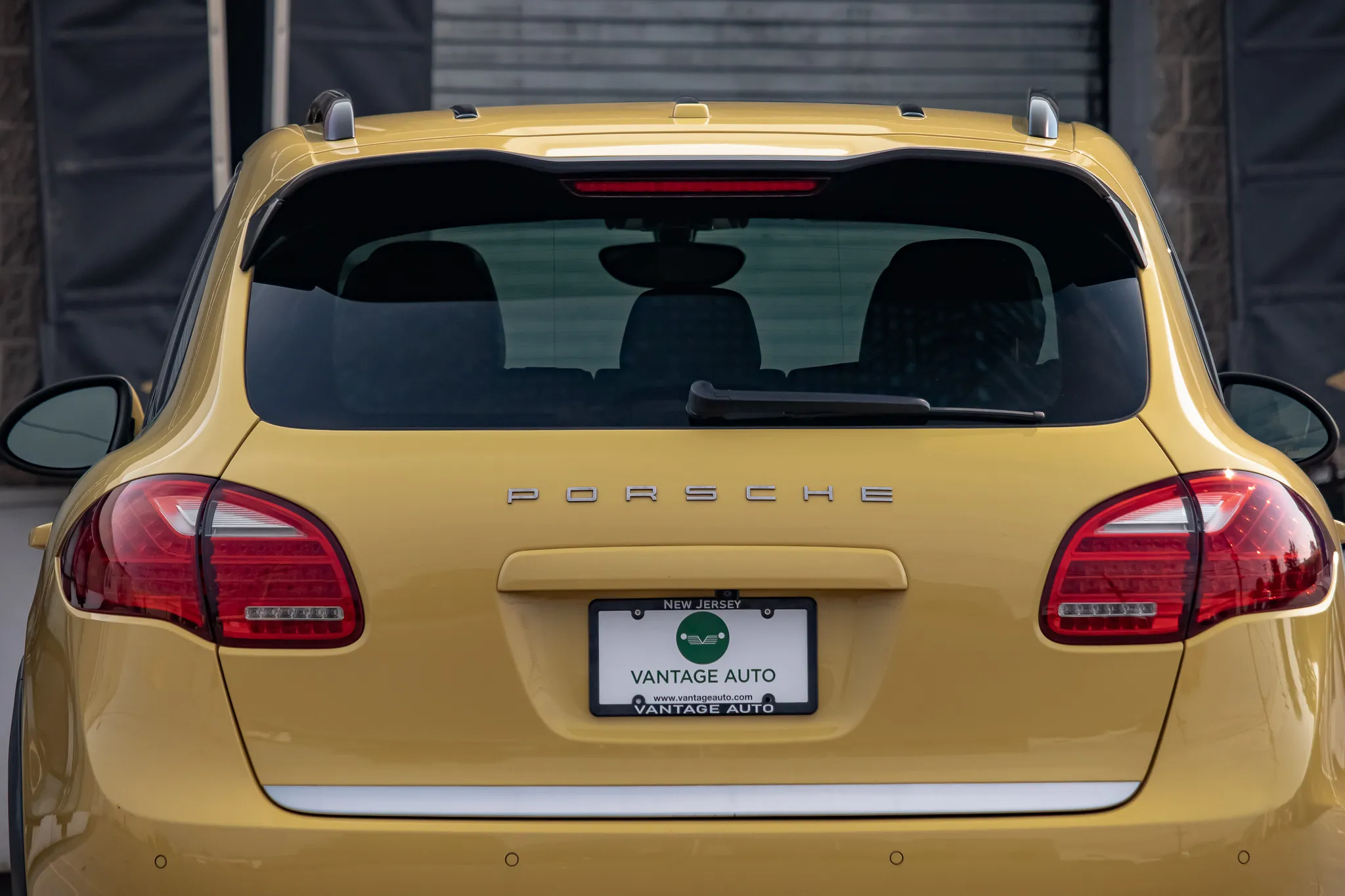
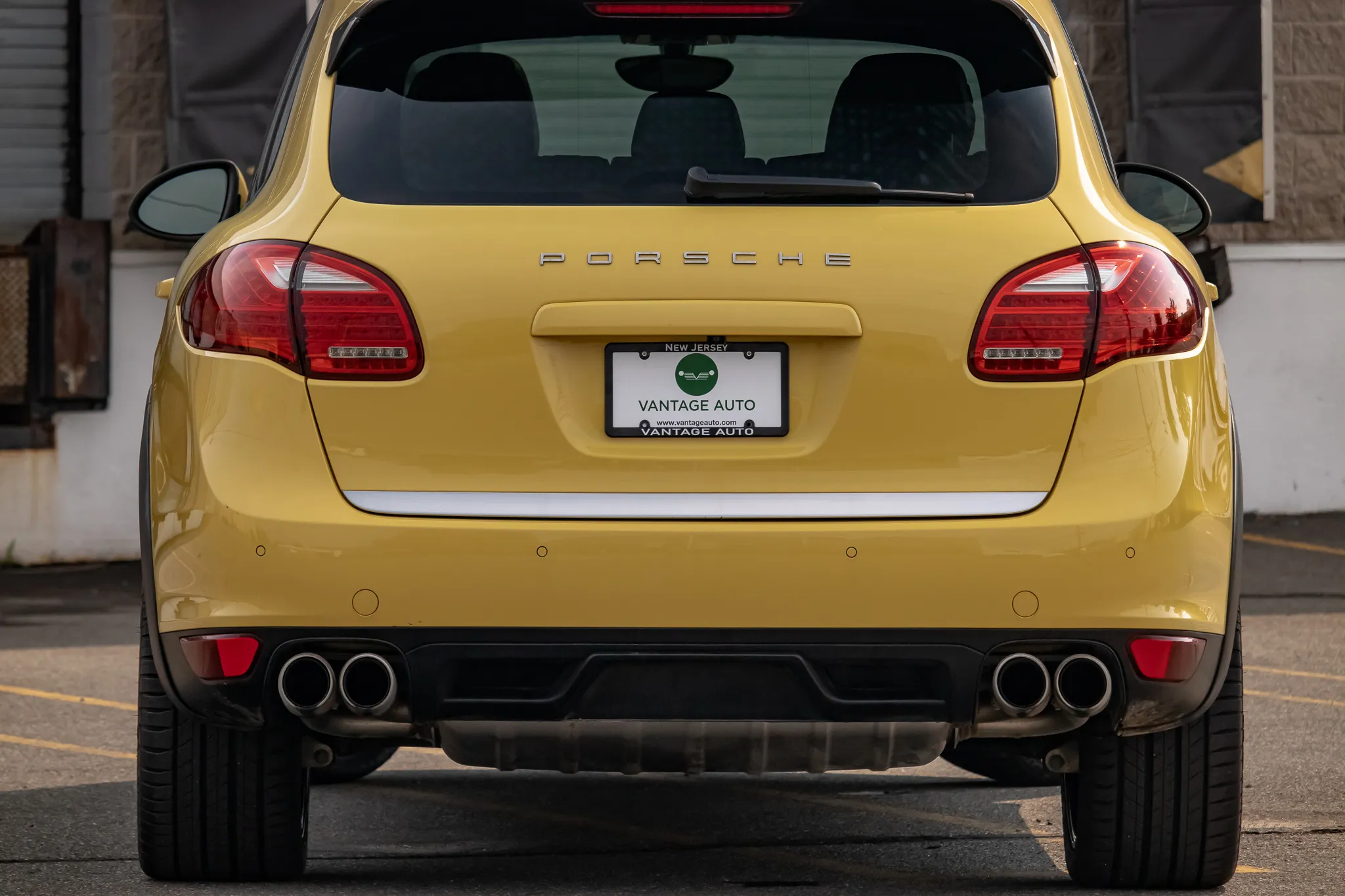
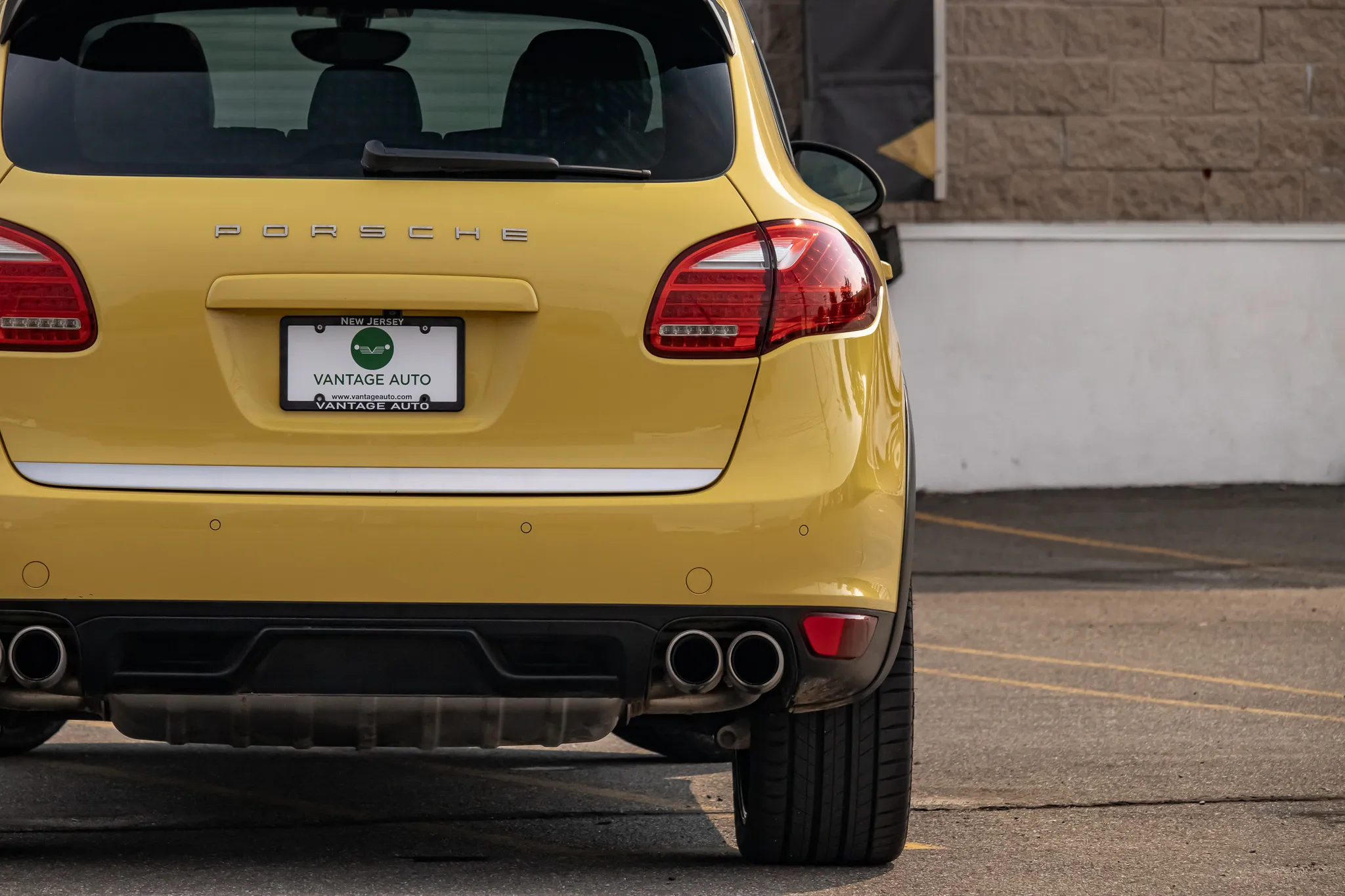
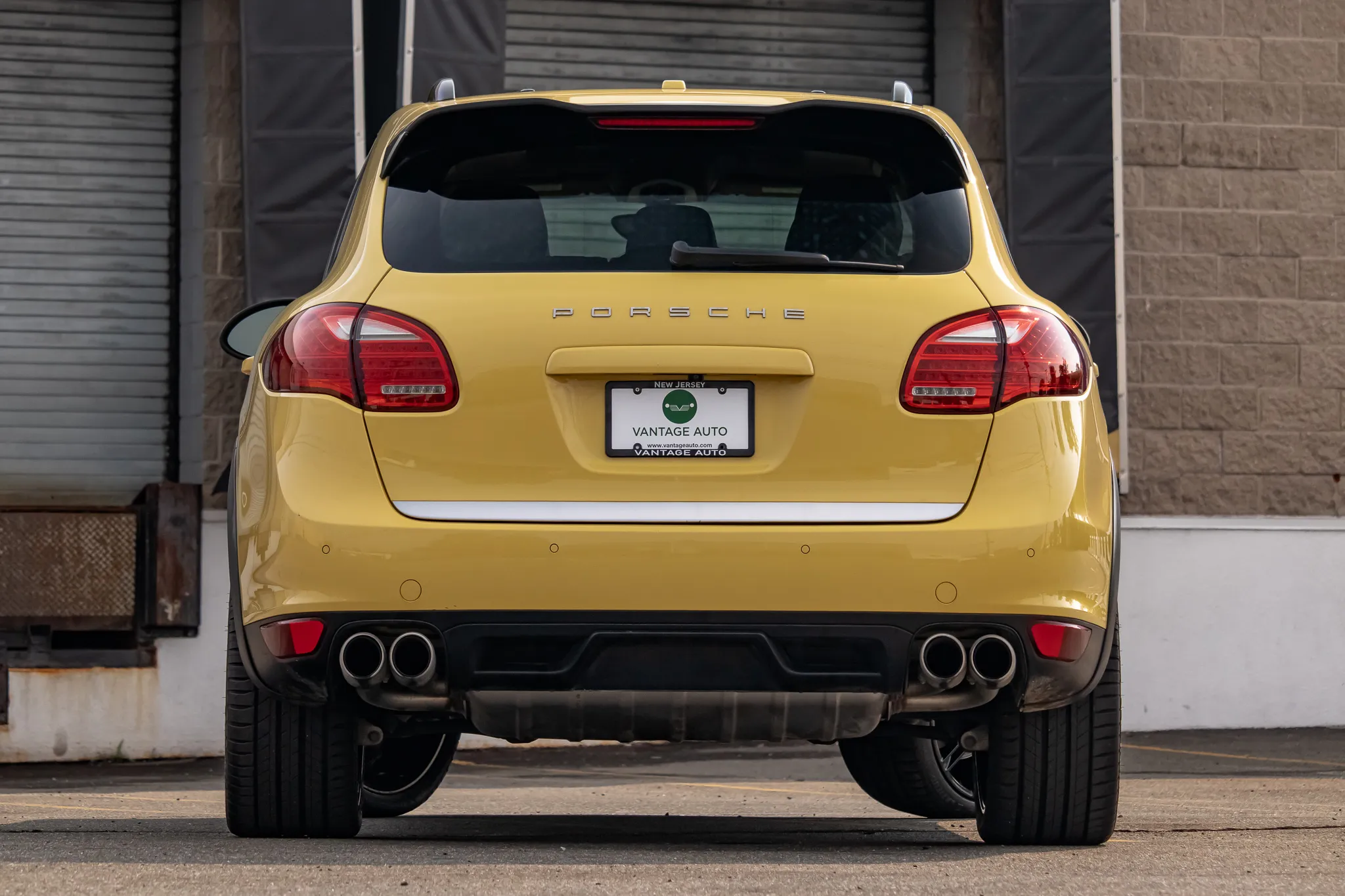
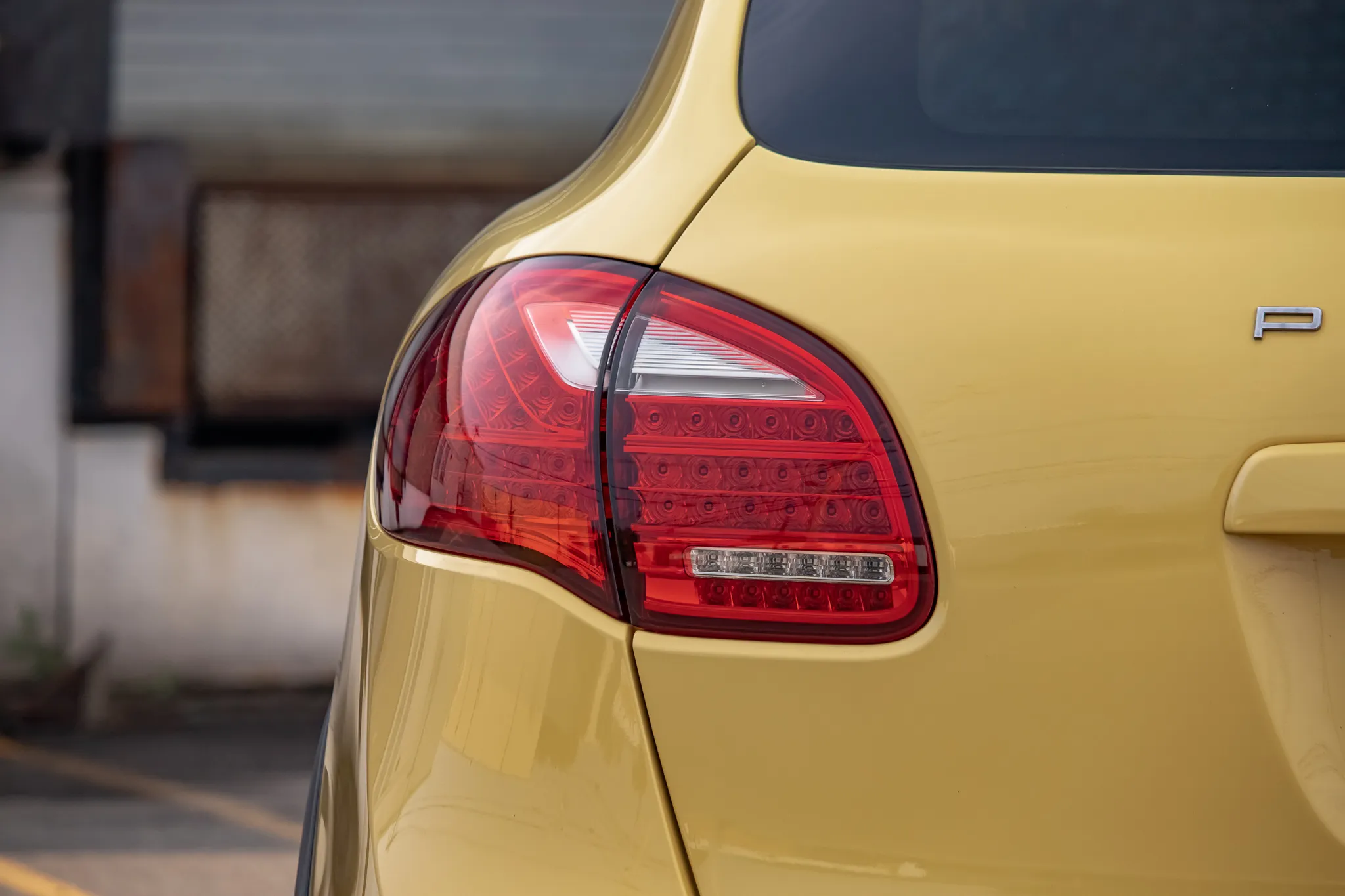
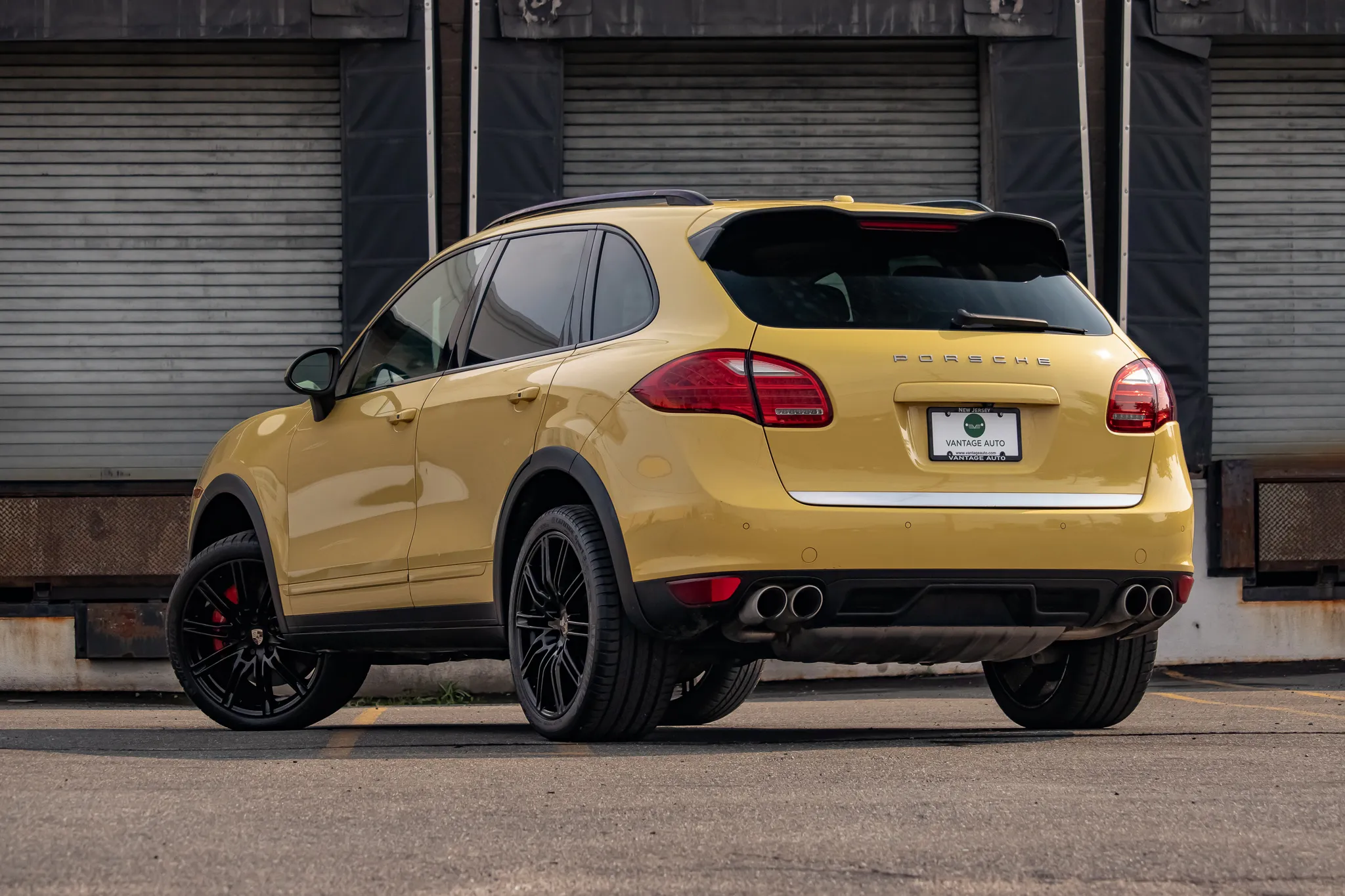
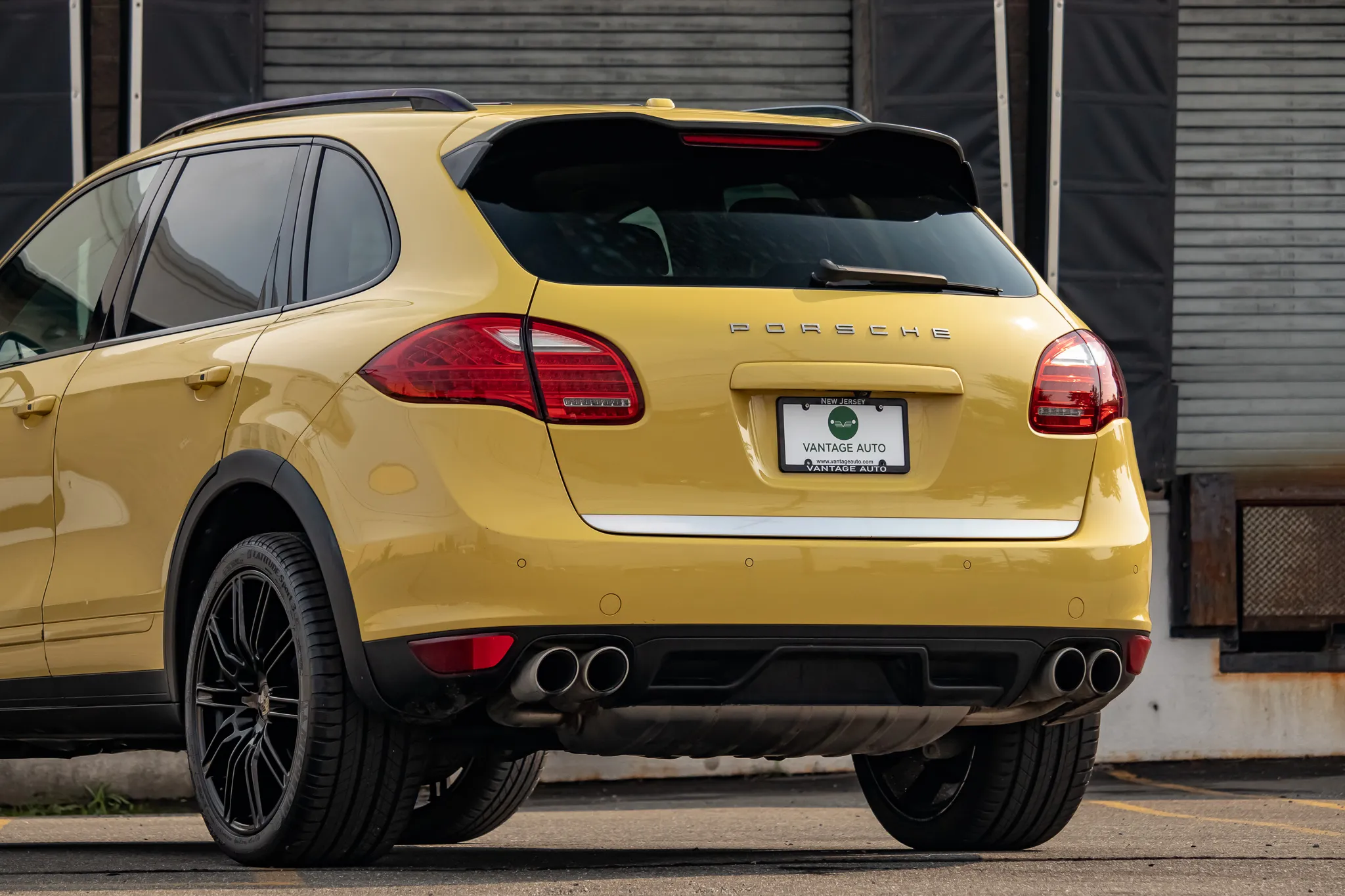
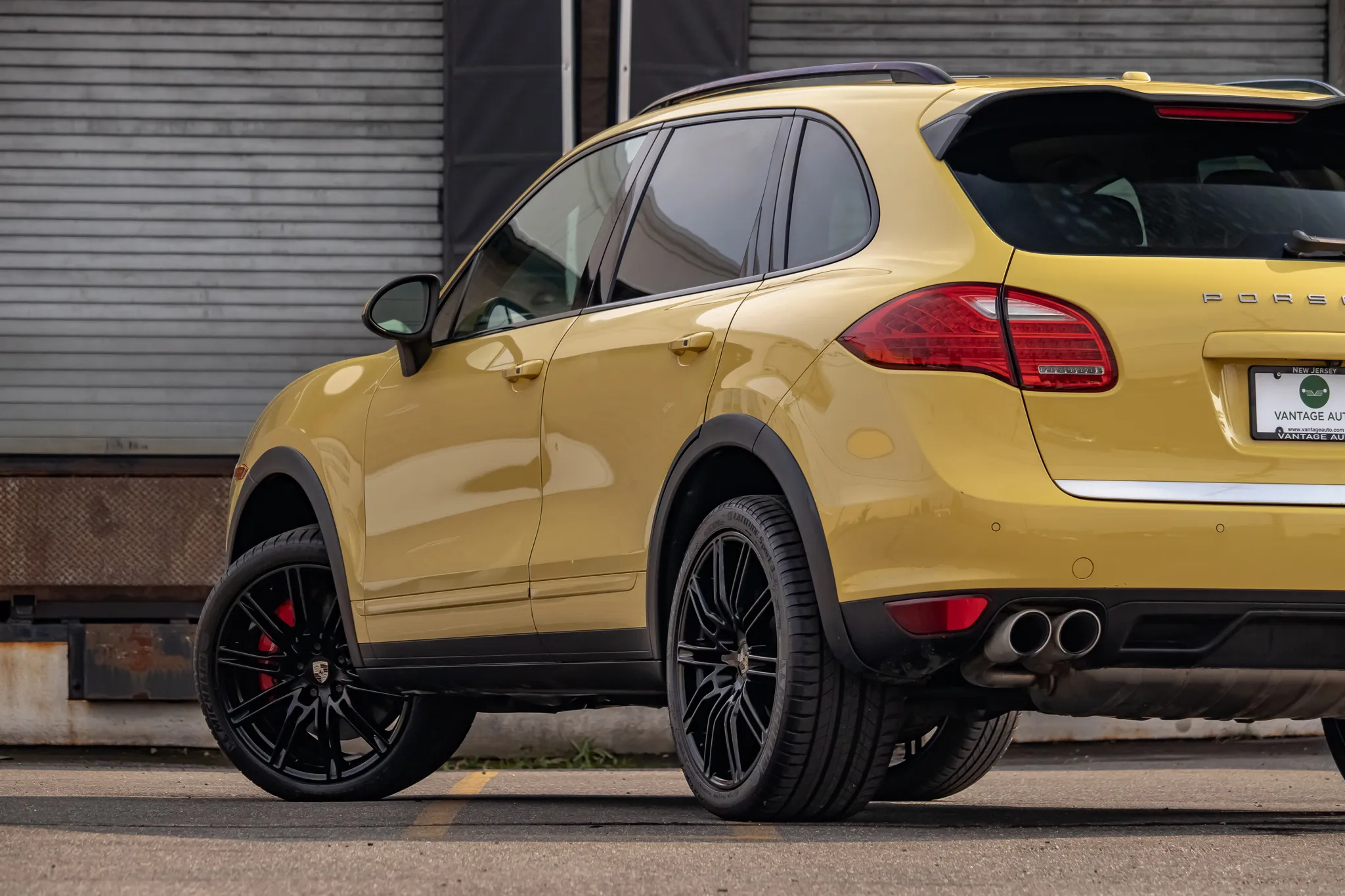
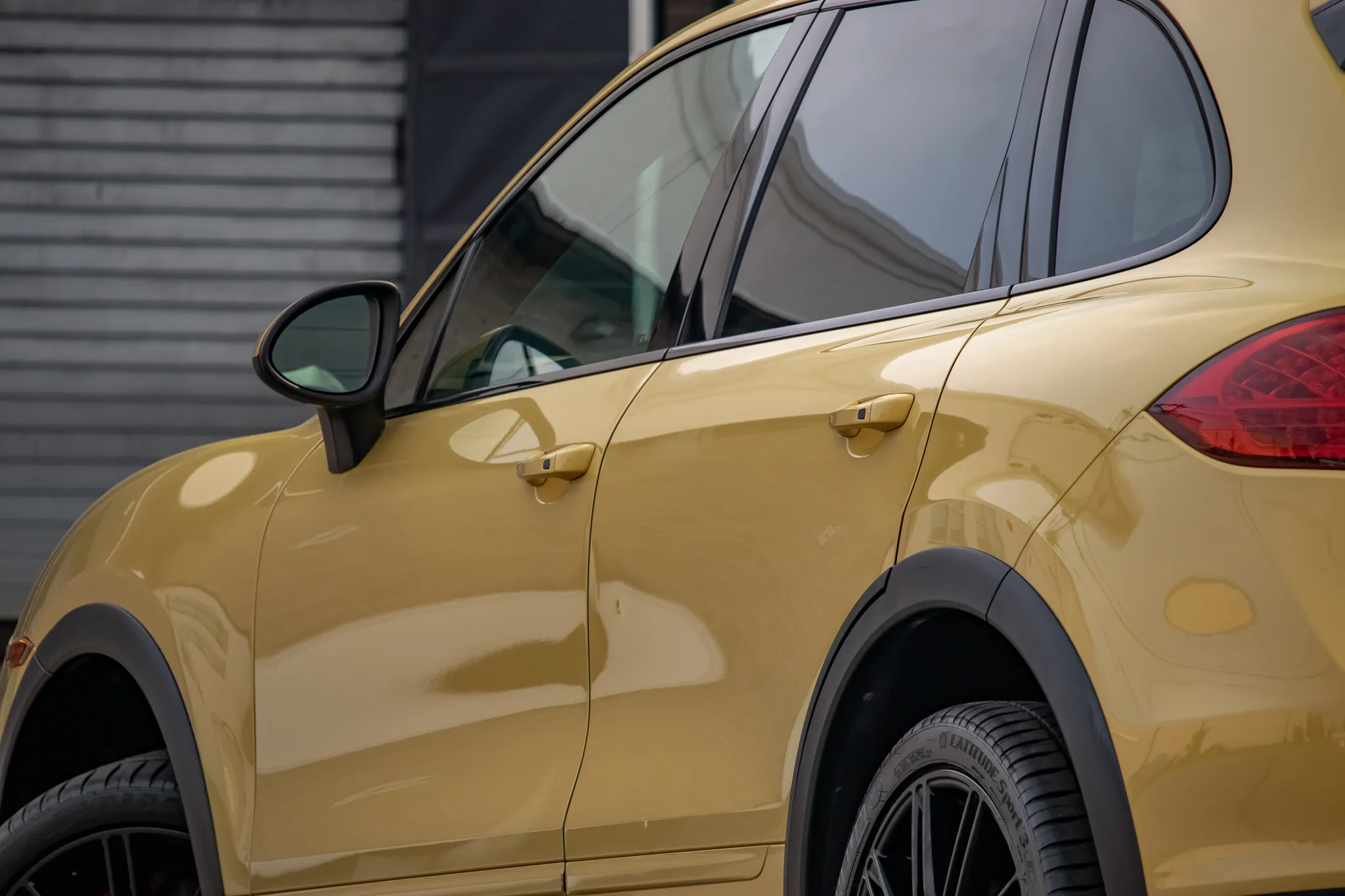
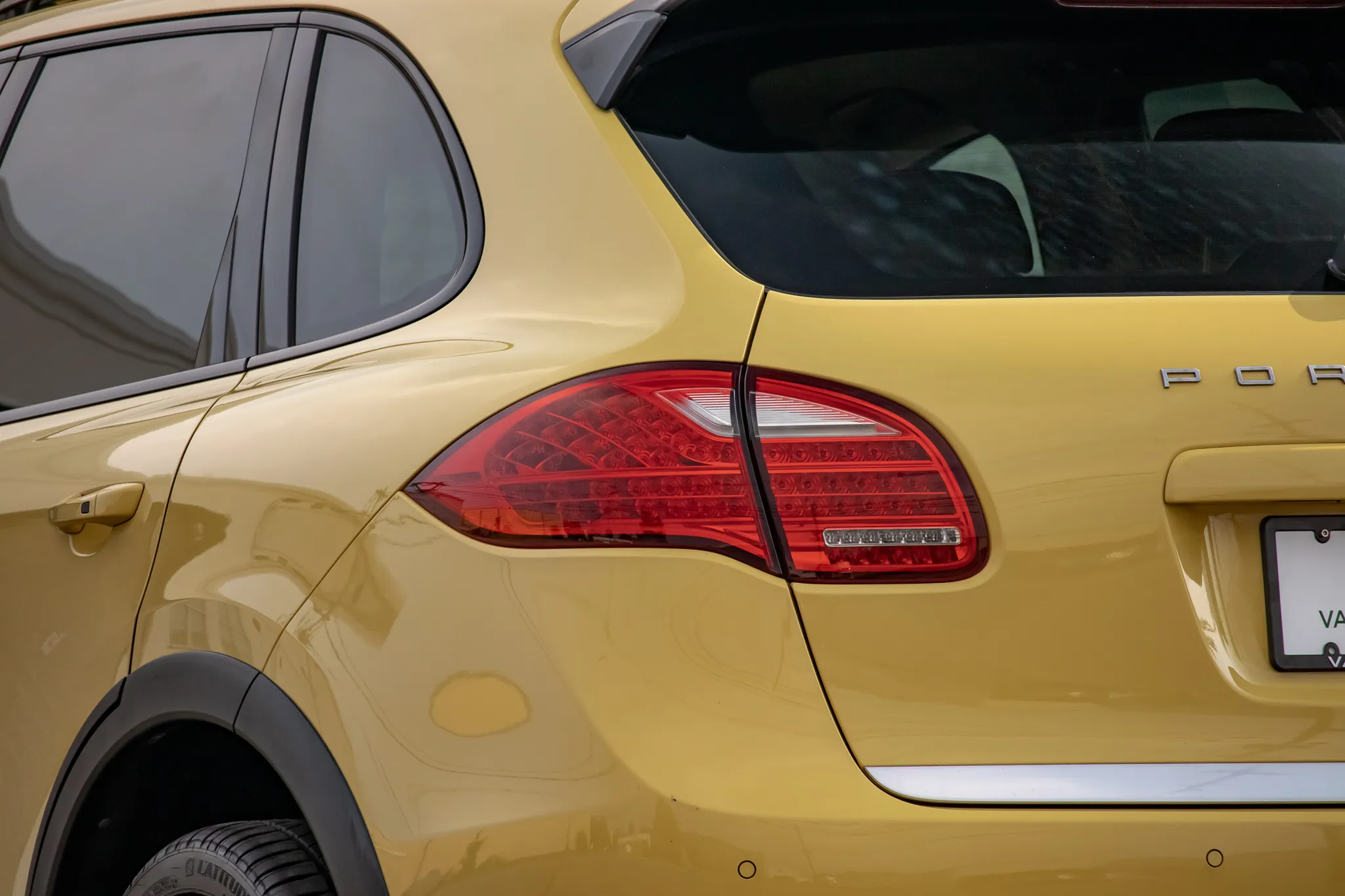
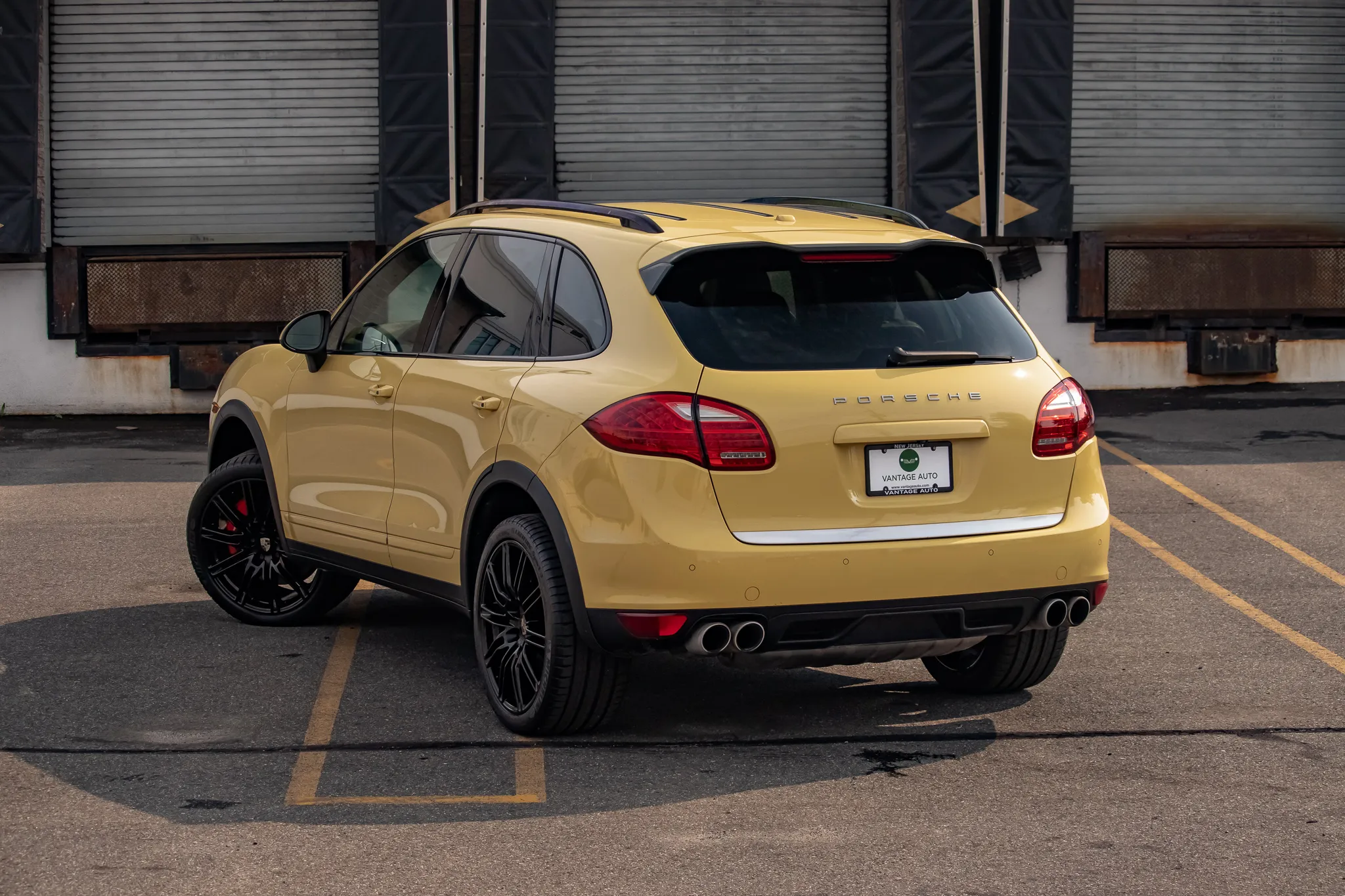
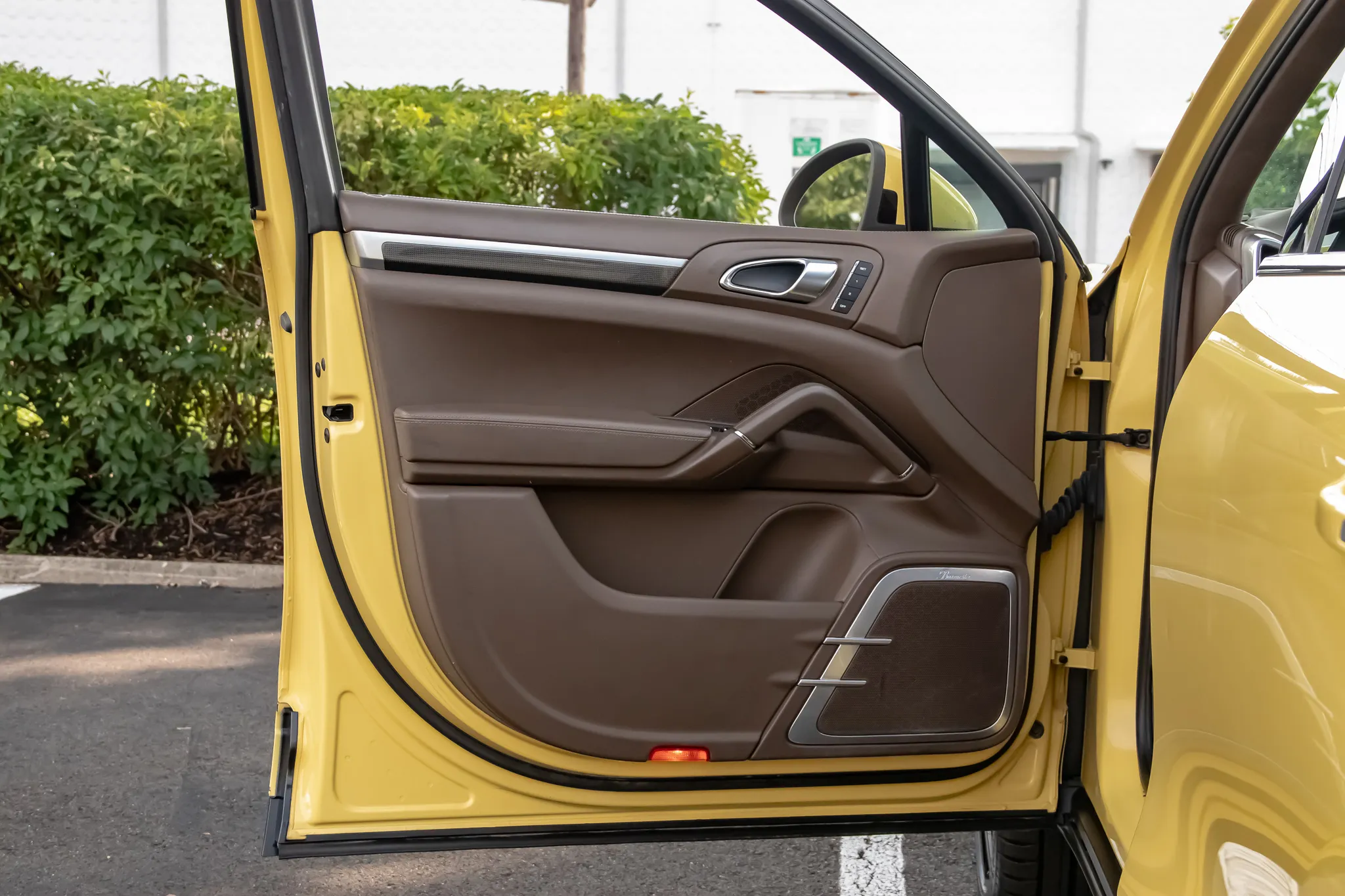
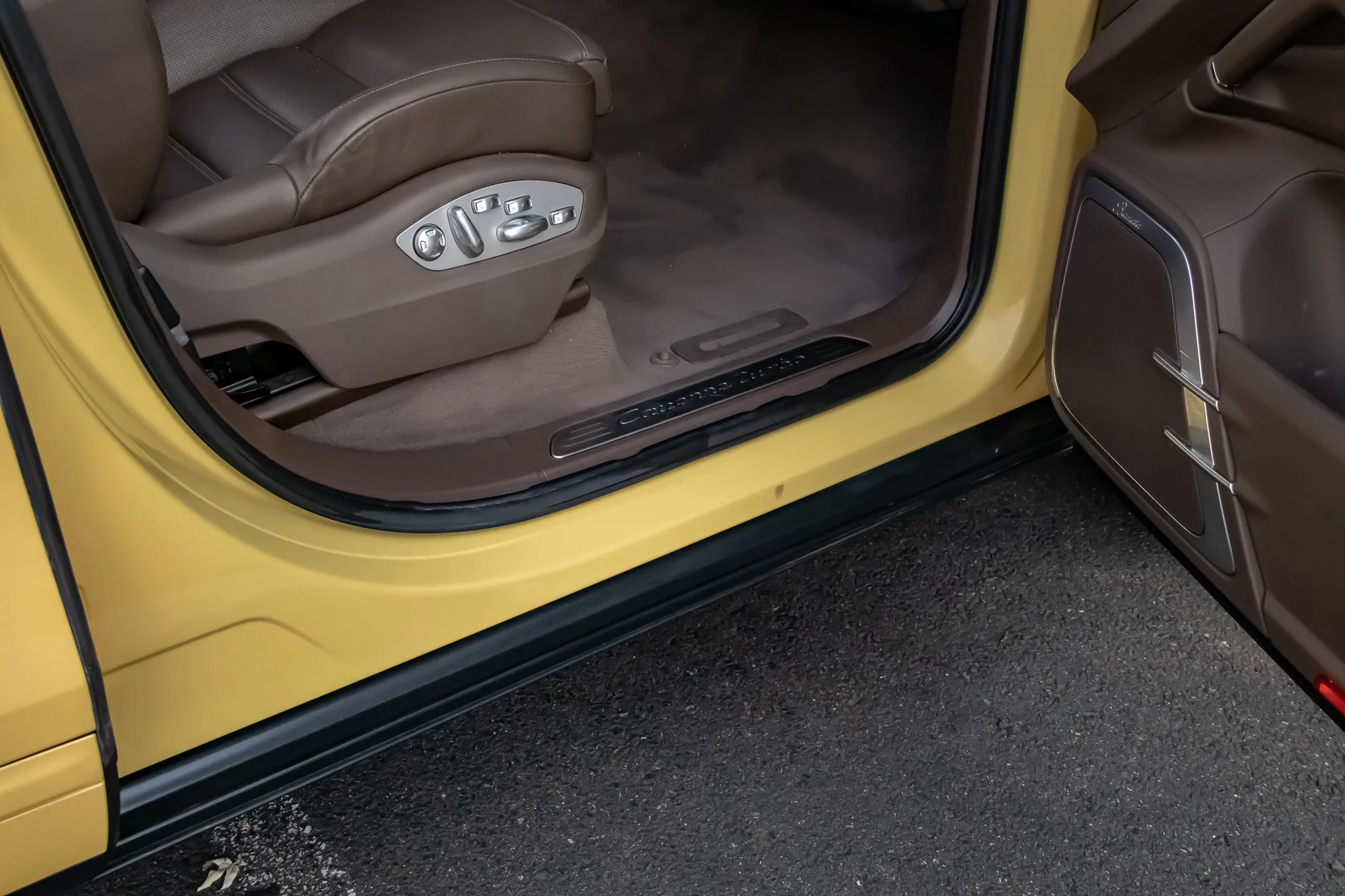
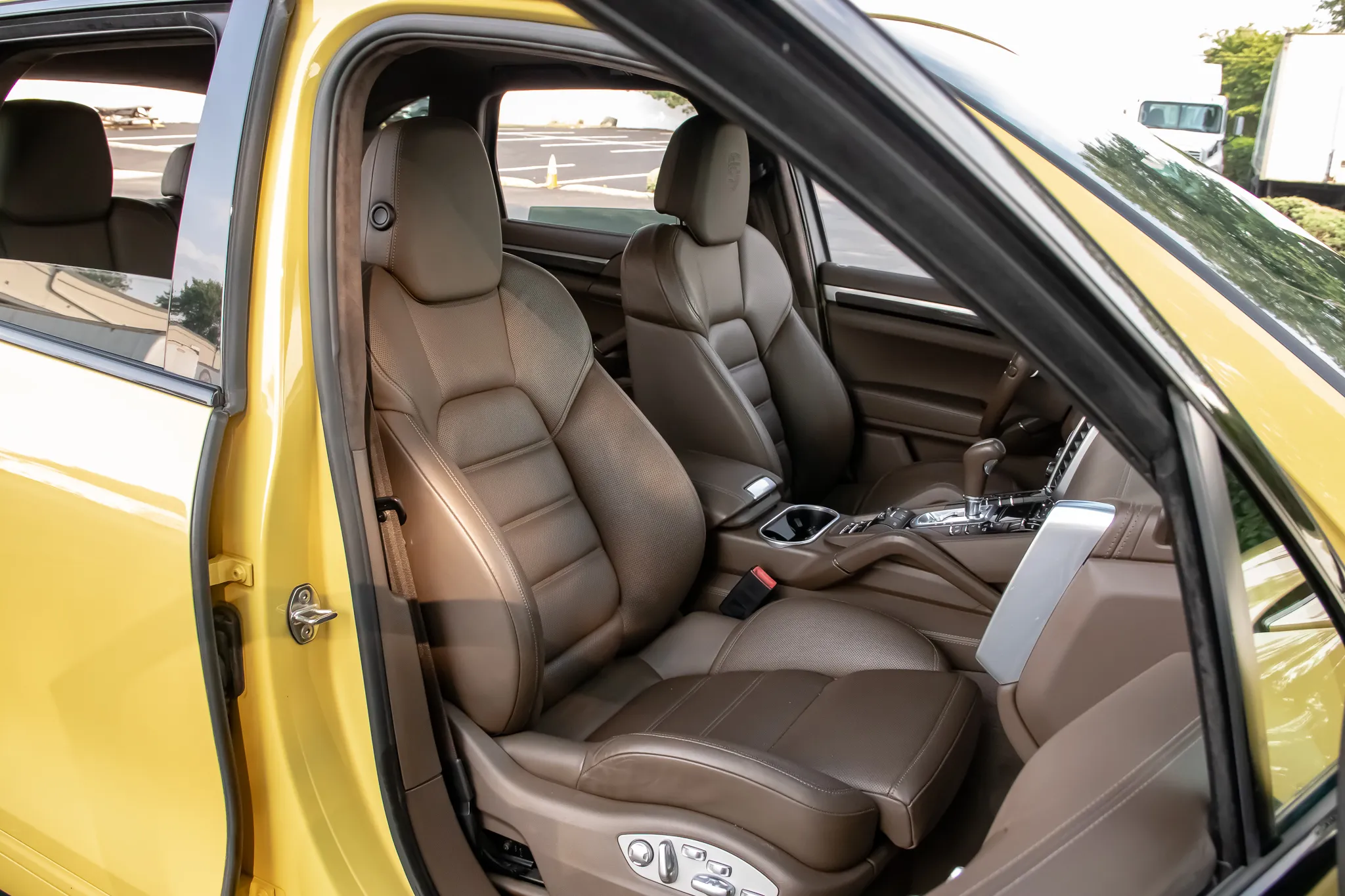
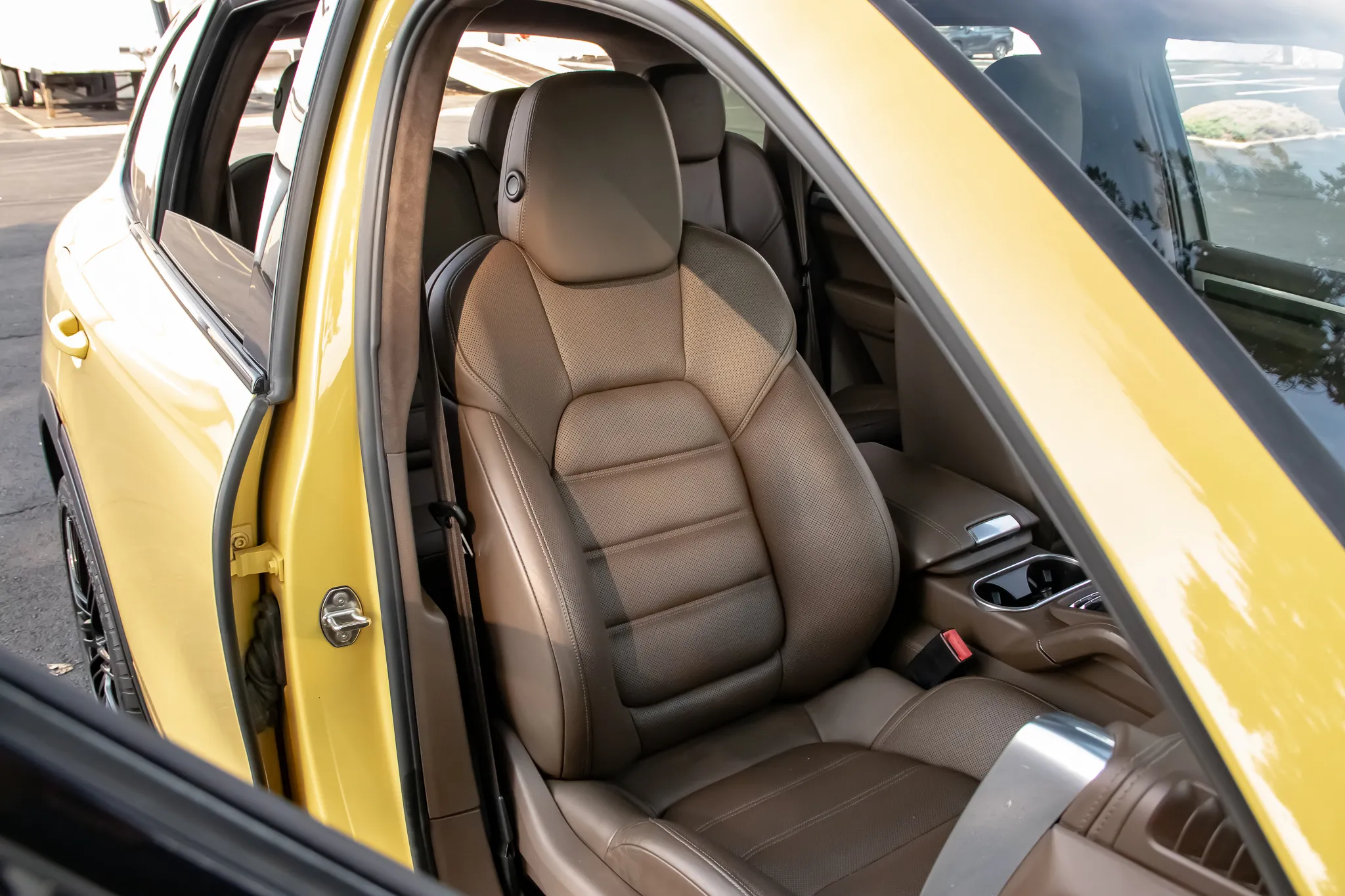
Community photos Total 128 photos
FAQ (7)
What is Porsche paint code M1C?
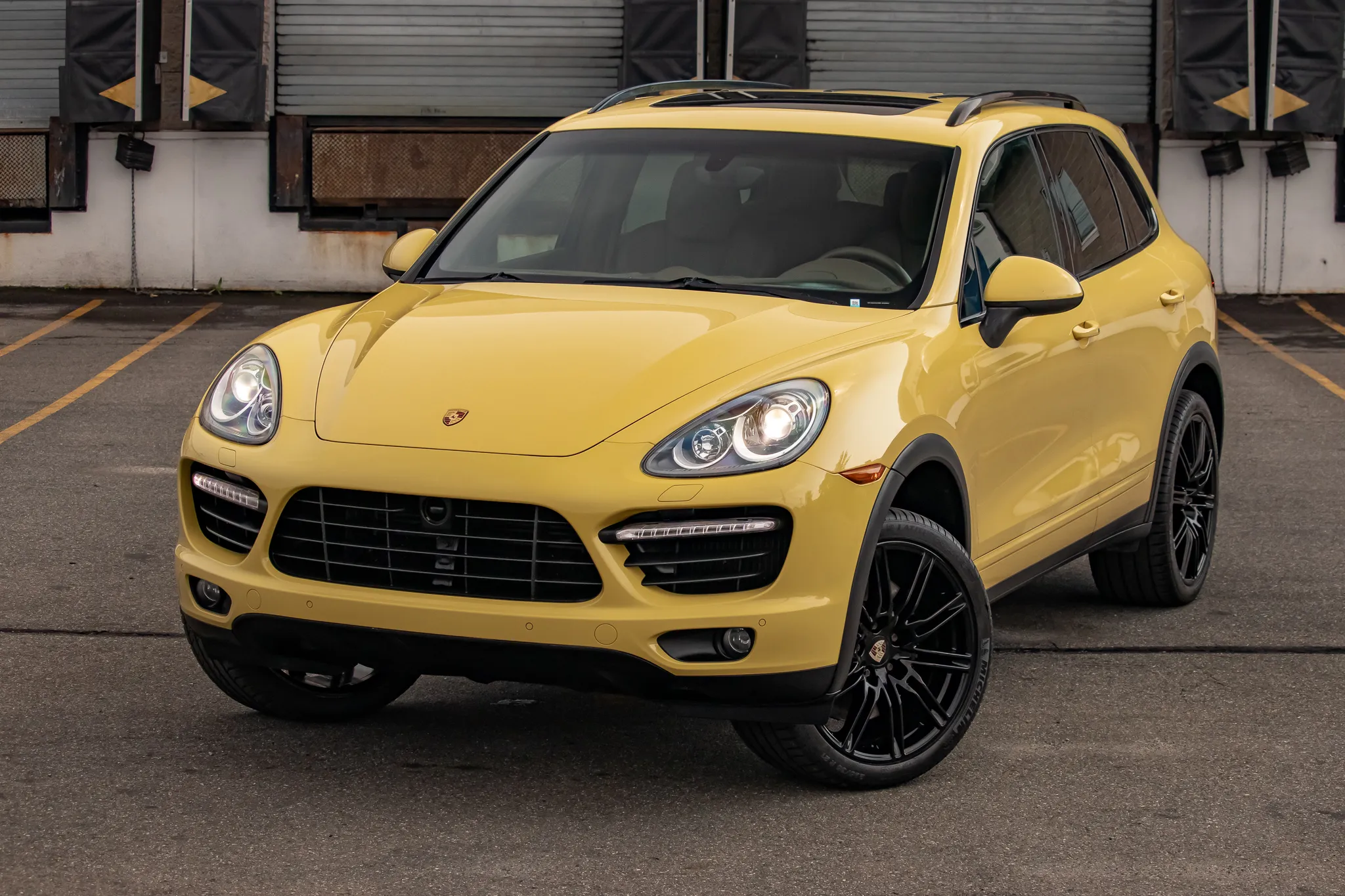
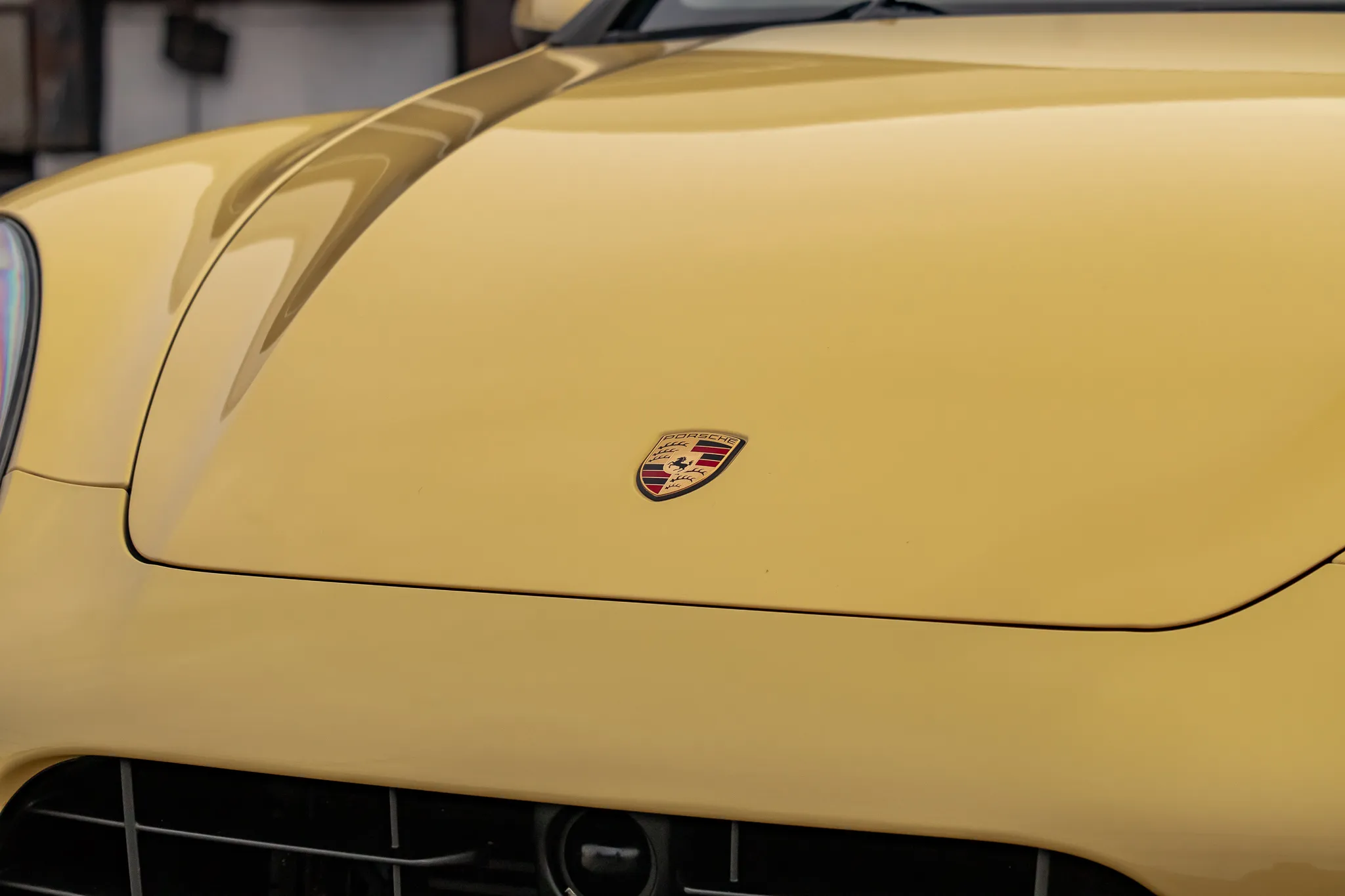
M1C is the Porsche paint code for Sand Yellow, a solid factory color.
What color is Porsche Sand Yellow?
Sand Yellow is a solid Porsche paint color in the yellow family (hex #FFD053). Its paint code is M1C.
Which Porsche models came in Sand Yellow?
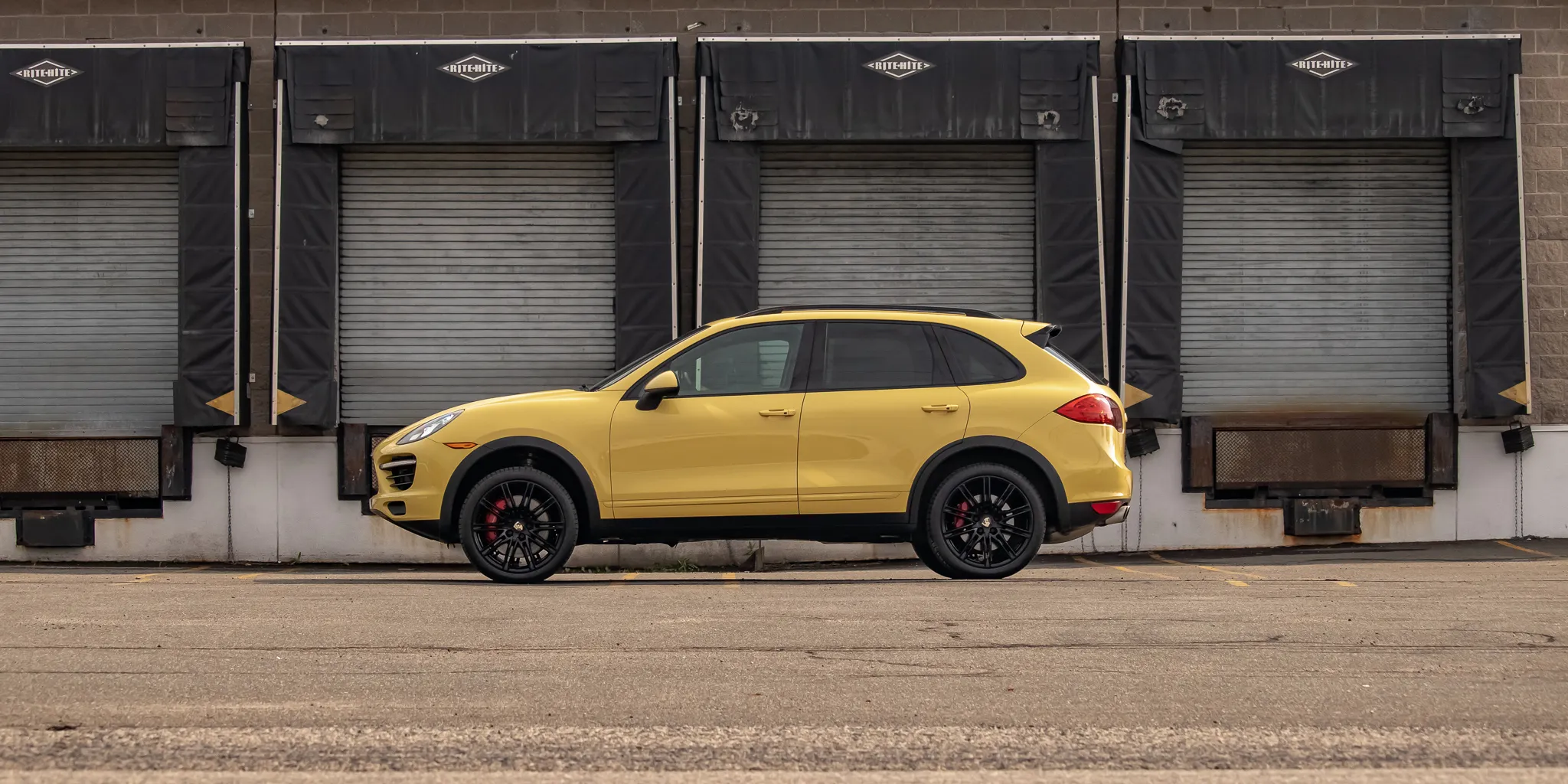
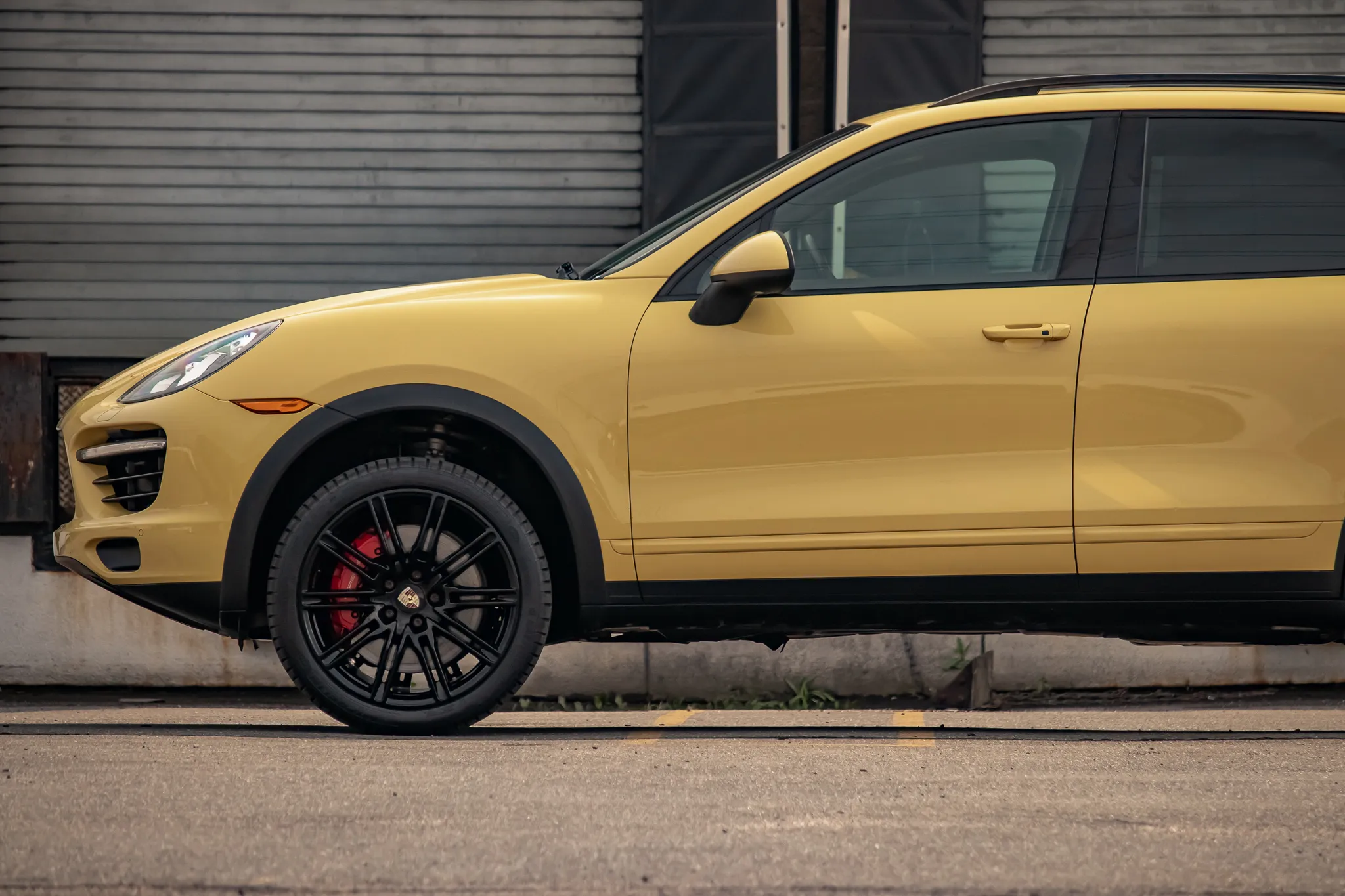
Sand Yellow was offered on the Porsche Cayenne.
What does Porsche Sand Yellow look like on a Cayenne?
See real photos of Sand Yellow (M1C) on the Porsche Cayenne at https://colors.stuttcars.com/colors/sand-yellow/cayenne.
Is Sand Yellow a Paint to Sample (PTS) color?
No. Sand Yellow was offered as a standard factory color, not as a Paint to Sample option.
What is the hex code for Porsche Sand Yellow?
The hex code for Sand Yellow is #FFD053. Keep in mind that automotive paint shifts with lighting and finish, so on-screen hex is only an approximation.
Is Porsche Sand Yellow metallic or non-metallic?
Sand Yellow is a solid (non-metallic) finish — flat pigment with no aluminum flake.